
Movie spotlight
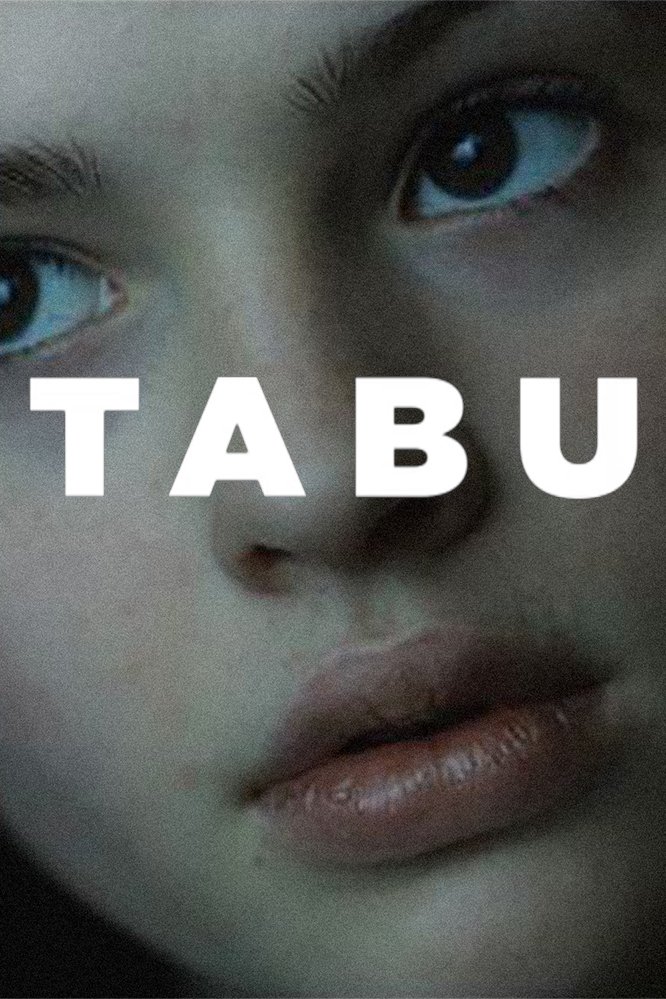
Tabu
A family is on the brink of dissolution. The parents relationship has run awry for many years and their two little girls are suffering as a result of their bitter arguments. It is as if a miracle is needed in order to save the marriage. The miracle occurs when a violent event takes place in the girls' lives forcing the parents to stick together and be there for the kids. The couple's love blossoms anew but what about the girls, how are they coping?
Insights
Plot Summary
An elderly Portuguese woman, Pilar, lives a pious and uneventful life, managing her affairs and attending church regularly. Her quiet existence is disrupted by the death of her neighbor, Aurora, a former adventurer with a mysterious past. As Pilar delves into Aurora's affairs and journals, she uncovers a tale of forbidden love, colonial exploits in Africa, and a hidden treasure, forcing her to confront the secrets and desires that lie beneath her seemingly ordinary life.
Critical Reception
Miguel Gomes's 'Tabu' was critically acclaimed for its ambitious narrative structure, blending silent film aesthetics with contemporary storytelling. Critics praised its unique visual style, nostalgic tone, and exploration of memory, guilt, and the lingering impact of colonialism. It was lauded as a distinctive and challenging cinematic work.
What Reviewers Say
Praised for its innovative dual-narrative structure and striking black-and-white cinematography.
Applauded for its thoughtful exploration of memory, regret, and the hidden lives of seemingly ordinary people.
Cited for its unique blend of silent film homage and contemporary storytelling, creating a melancholic and enigmatic atmosphere.
Google audience: Audiences generally appreciated 'Tabu' for its artistic vision and compelling, albeit unconventional, storytelling. Many found the film's mood and visual style captivating, though some noted its deliberate pacing and abstract nature as potentially challenging.
Awards & Accolades
Nominated for the Golden Bear at the 62nd Berlin International Film Festival. Won the FIPRESCI Prize at the Berlin International Film Festival. Won Best Film at the Buenos Aires International Independent Film Festival.
Fun Fact
The film is divided into two parts: 'Paradise', told in color and with a voice-over narration, and 'Paradise', told in black-and-white silent film, evoking classic cinema aesthetics.
AI-generated overview · Verify ratings on official sources