
Movie spotlight
Symbiopsychotaxiplasm: Take One
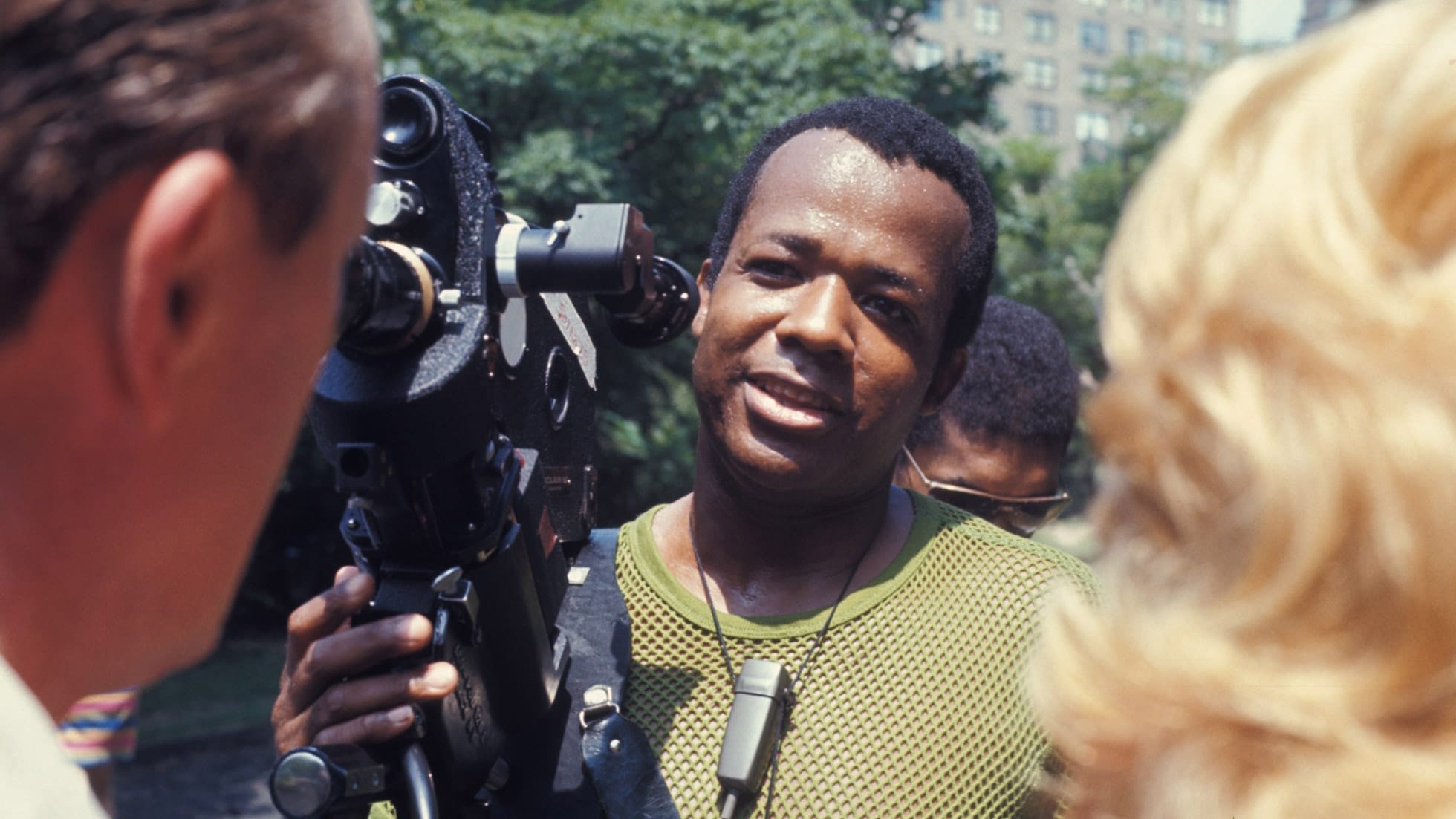
In Manhattan's Central Park, a film crew directed by William Greaves is shooting a screen test with various pairs of actors. It's a confrontation between a couple: he demands to know what's wrong, she challenges his sexual orientation. Cameras shoot the exchange, and another camera records Greaves and his crew. Sometimes we watch the crew discussing this scene, its language, and the process of making a movie. Is there such a thing as natural language? Are all things related to sex? The camera records distractions - a woman rides horseback past them; a garrulous homeless vet who sleeps in the park chats them up. What's the nature of making a movie?
Insights
Plot Summary
William Greaves's experimental documentary chronicles the chaotic and often contentious filming of a fictional movie about a couple's marital strife in Central Park. The film captures the internal conflicts and external pressures faced by the production, blurring the lines between reality and fiction as the filmmaking process itself becomes the subject. It features candid discussions among the cast and crew, revealing their perspectives and struggles with the project's concept and execution. Ultimately, the documentary explores the nature of filmmaking, truth, and the subjective experience of reality.
Critical Reception
Symbiopsychotaxiplasm: Take One is widely regarded as a groundbreaking and visionary piece of cinema, celebrated for its innovative approach to documentary filmmaking and its prescient exploration of the creative process. While its unconventional structure and challenging themes initially limited its audience, it has since gained significant critical acclaim and is recognized as a landmark in experimental cinema. Its influence can be seen in subsequent works that question the nature of representation and the relationship between filmmaker and subject.
What Reviewers Say
A radical and fascinating exploration of filmmaking itself.
Challenging and rewarding, it pushes the boundaries of documentary.
Its meta-commentary on art and reality remains relevant.
Google audience: Audience reception on Google is limited due to the film's niche and experimental nature, but its critical recognition suggests a strong appreciation from cinephiles and those interested in avant-garde cinema.
Awards & Accolades
Selected for the National Film Registry by the Library of Congress in 2006, recognizing its cultural, historical, and aesthetic significance.
Fun Fact
The film was shot over several weeks in Central Park, with the crew often improvising and the participants unaware of the full scope of the project until later stages, contributing to its raw and authentic feel.
AI-generated overview · Verify ratings on official sources
Community Critic Reviews
No critic reviews have been posted yet. Be the first to share your thoughts.
My Review
TMDB Reviews
No TMDB reviews are available yet for this title.
Video Reviews
No video reviews found for this title yet.