Movie spotlight
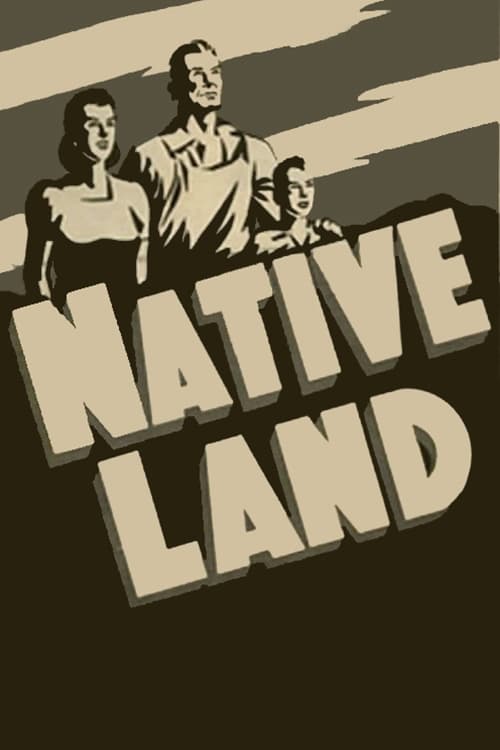
Native Land
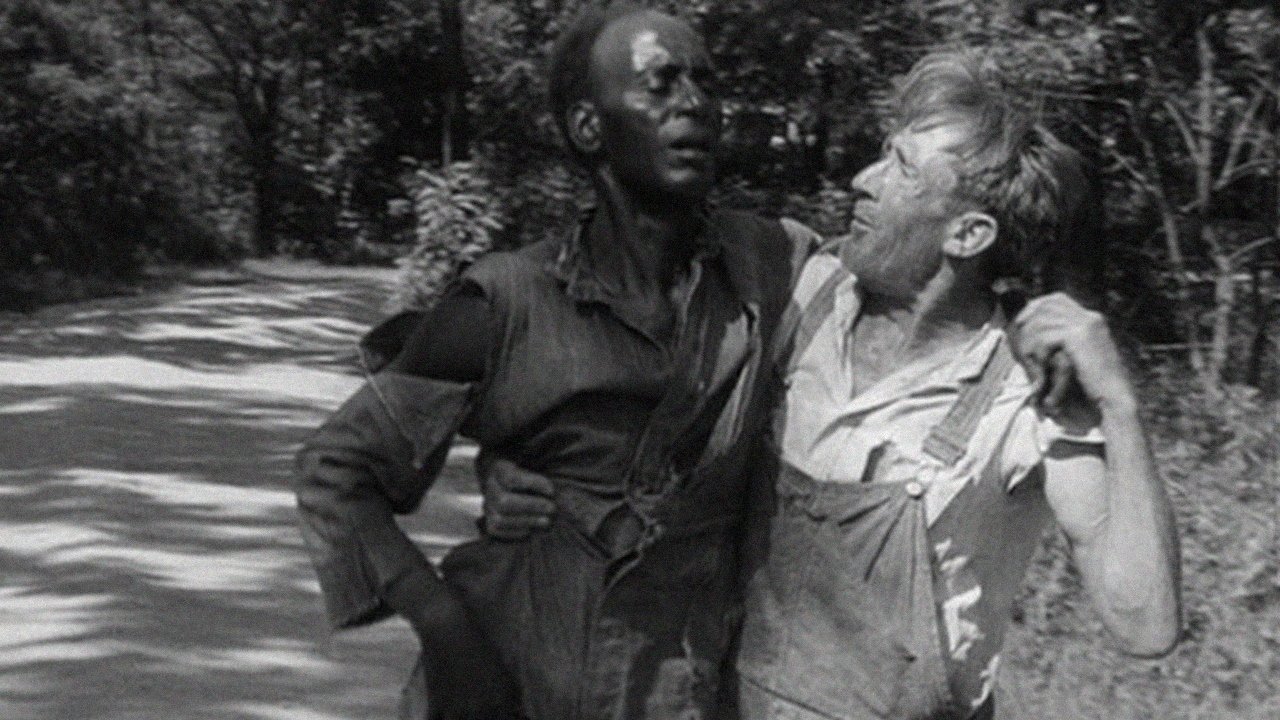
By the start of World War II, Paul Robeson had given up his lucrative mainstream work to participate in more socially progressive film and stage productions. Robeson committed his support to Paul Strand and Leo Hurwitz’s political semidocumentary Native Land. With Robeson’s narration and songs, this beautifully shot and edited film exposes violations of Americans’ civil liberties and is a call to action for exploited workers around the country. Scarcely shown since its debut, Native Land represents Robeson’s shift from narrative cinema to the leftist documentaries that would define the final chapter of his controversial film career.
Insights
Plot Summary
This documentary, filmed during World War II, explores the plight of American farmers facing economic hardship and foreclosure. It highlights their struggles to maintain their land and livelihoods amidst the backdrop of national crisis. The film emphasizes the resilience and determination of these individuals and communities.
Critical Reception
Native Land received critical acclaim for its powerful portrayal of the struggles of American farmers during a difficult economic period. It was praised for its stark realism, empathetic storytelling, and its contribution to documenting the social issues of its time. The film effectively used its medium to shed light on the hardships faced by a significant portion of the American population.
What Reviewers Say
Praised for its honest and impactful depiction of agricultural struggles.
Commended for its documentary style and social commentary.
Appreciated for its focus on the resilience of American farmers.
Google audience: Information not available for Google user reviews.
Fun Fact
The film was produced by the United Electrical, Radio and Machine Workers of America (UE), a labor union, making it a rare example of a politically charged documentary funded by a union during this era.
AI-generated overview · Verify ratings on official sources