El río de oro
El río de oro

El río de oro

1986Movie111 minSpanish

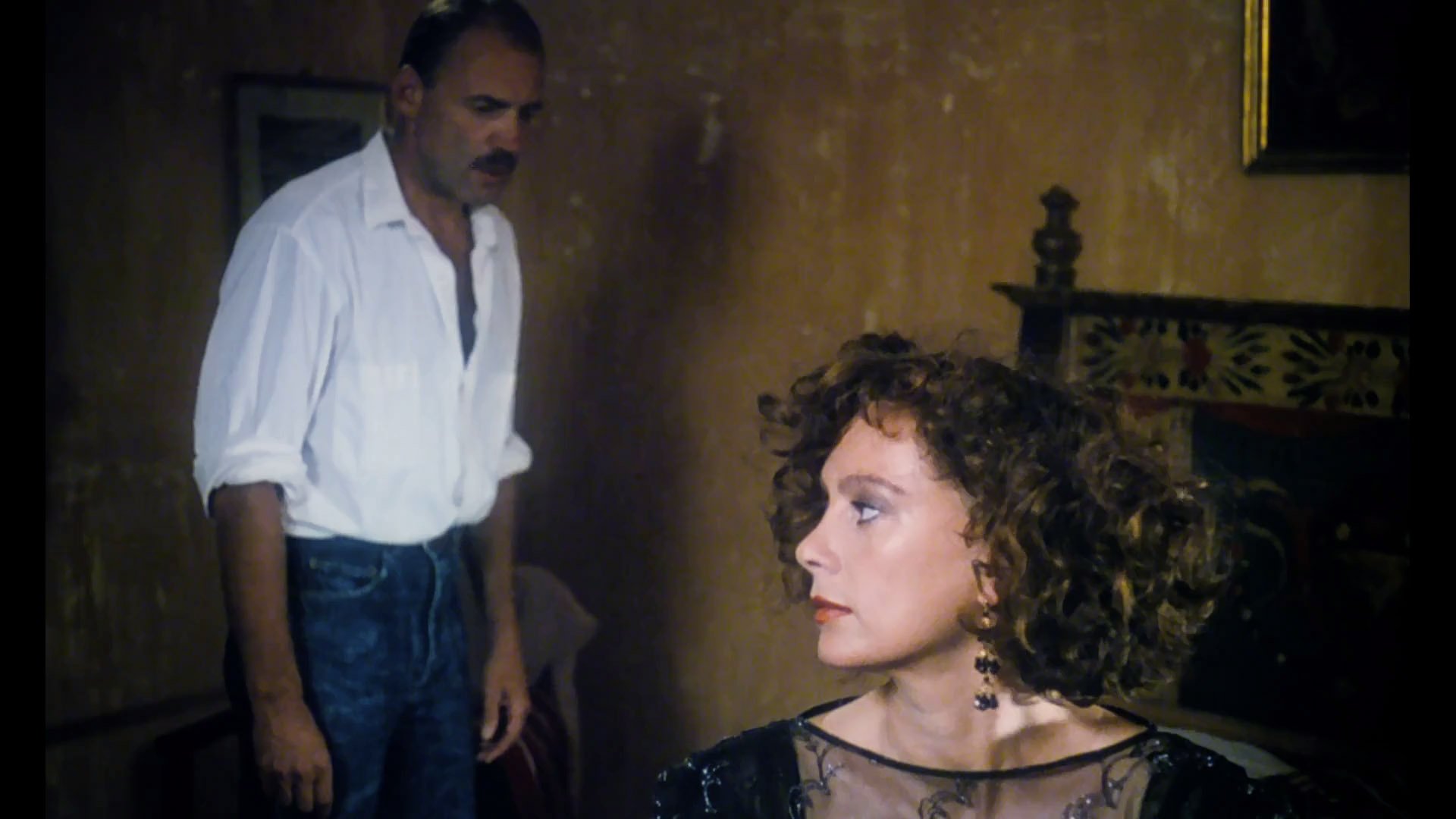
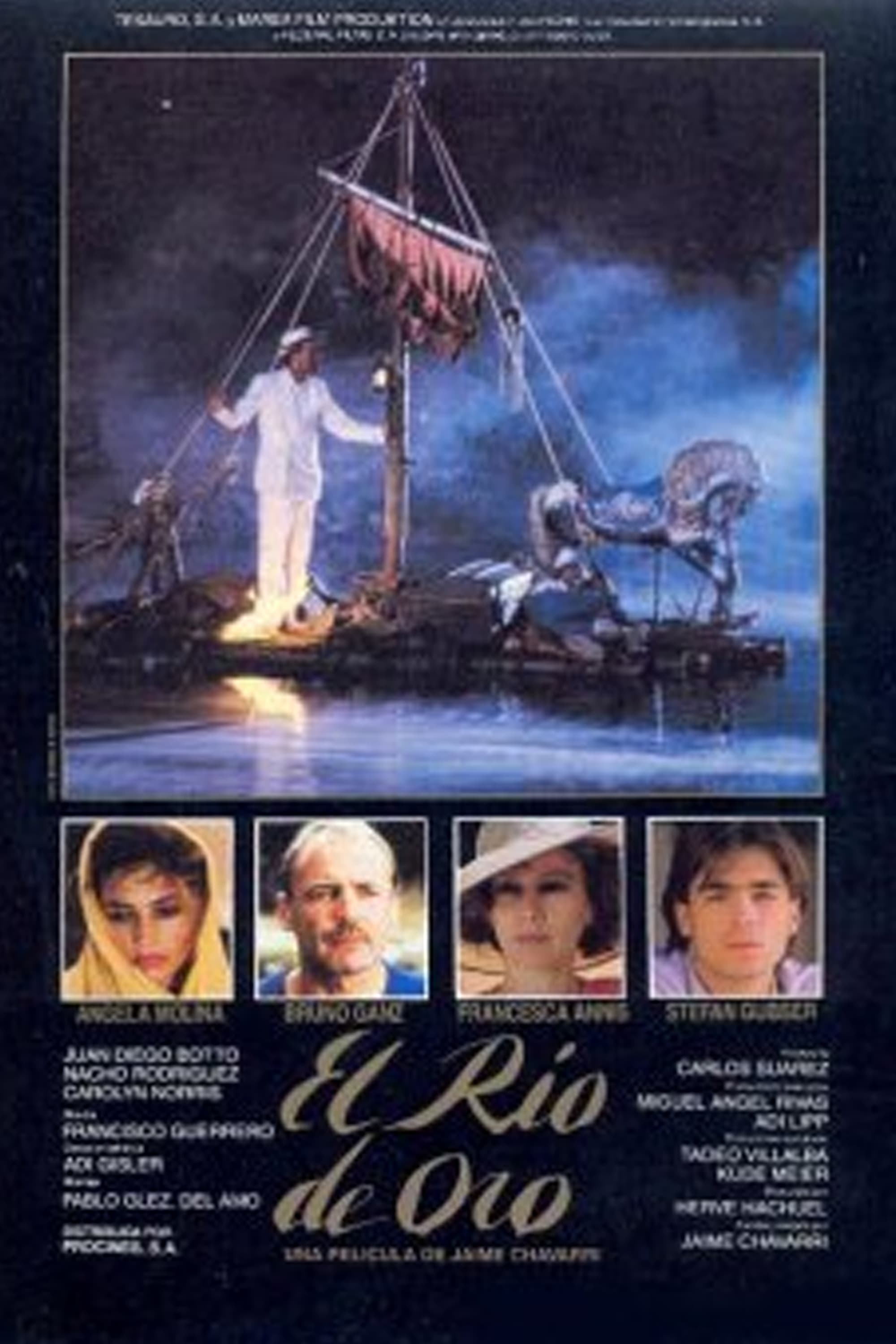
During a long summer, the tranquility of a couple and their three children resting in a country house is altered with the arrival of the children's uncle, a character who exerts a curious influence on the boys and a morbid and strange attraction the wife. Twelve years after 'Los viajes escolares' (1973), his first commercial feature film, the Madrid director Jaime Chávarri returns to the same estate in the province of Segovia to shoot a new family story, about his own plot and script. Like its predecessor, 'The Golden River' contains a strong autobiographical charge and is full of personal resonances. But this new history of family ties is narrated from a perspective in which adultery manifests itself openly. Endowed with a slow narrative rhythm, the film presents an international cast headed by Ángela Molina, Bruno Ganz, Francesca Annis and Stefan Gubser. The film also has the presence of a very young Juan Diego Botto, in one of his first appearances on the big screen.

Read Reviews

Insights

IMDb6.0/10
Director: Jaime de ArmiñánGenres: Drama

Plot Summary

The film centers on two brothers, one a doctor and the other a writer, who have a strained relationship. Their lives are further complicated by the arrival of a young woman who becomes involved with both of them. As secrets and resentments surface, the brothers are forced to confront their past and their complicated present.

Critical Reception

El río de oro received mixed to positive reviews, with critics generally praising its performances and thematic depth, though some found the pacing to be slow at times. Audience reception was also varied, appreciating its dramatic content but finding it less accessible than more mainstream films.

What Reviewers Say

  • The film excels in its portrayal of complex family dynamics and emotional turmoil.
  • Performances, particularly from the lead actors, are consistently strong.
  • Some viewers found the narrative to be somewhat disjointed and lacking a clear resolution.

Google audience: N/A

Fun Fact

The film was part of a period where Spanish cinema was exploring more introspective and character-driven narratives, moving away from lighter fare.

AI-generated overview · Verify ratings on official sources

My Review