
Movie spotlight
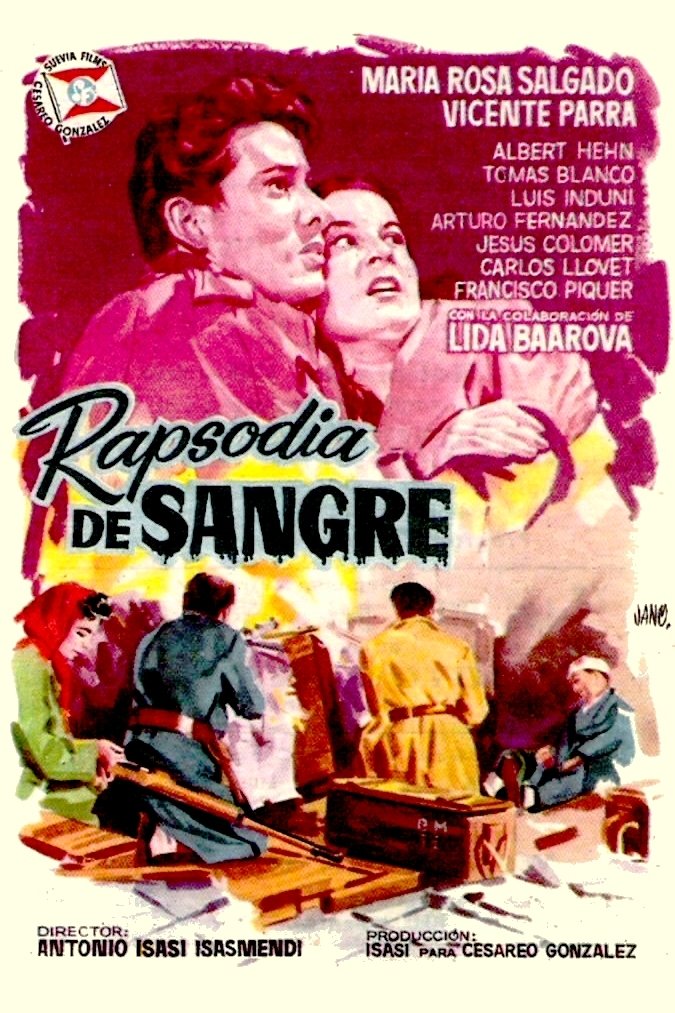
Rapsodia de sangre
Andras Pulac, a young pianist, refuses to perform a concert in honor of a senior Soviet leader, as a sign of rebellion against the 1956 invasion of Hungary. His refusal, although he does not know it, harms the organizers of a demonstration against the communist cruelty, since his concert had been chosen like slogan. When Pulac finds out, he agrees to give the concert. Andras and Maria Kondor, the daughter of a communist journalist, are in love and decide to get married before the concert. Meanwhile, communist repression in the streets provokes the anger of the Hungarian people and gives rise to a real revolution.
Insights
Plot Summary
A story of passion, betrayal, and violence set against the backdrop of Buenos Aires. The film follows the intertwined lives of several characters caught in a web of crime and desire, leading to a tragic conclusion. It explores themes of poverty, ambition, and the destructive nature of obsession.
Critical Reception
Information on the critical reception of 'Rapsodia de sangre' is scarce due to its age and origin. However, Argentine cinema of the era often focused on social commentary and melodramatic narratives, which this film appears to embody.
What Reviewers Say
Focuses on intense melodrama and character-driven conflict.
Features a gritty portrayal of urban life and its struggles.
Likely appreciated for its dramatic performances within the Argentine context of the time.
Google audience: Audience reviews are not readily available for this film.
Fun Fact
The film was part of a wave of Argentine crime dramas in the mid-20th century that often explored the darker aspects of society and human relationships.
AI-generated overview · Verify ratings on official sources