
Movie spotlight
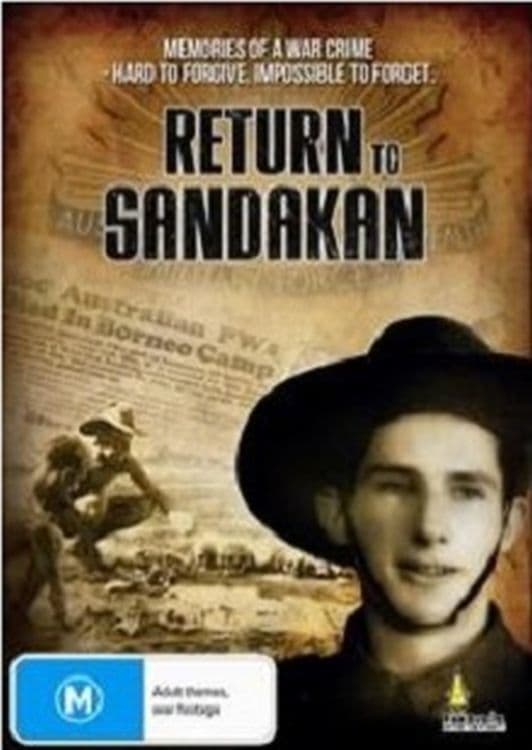
Return to Sandakan
During World War II there were nearly 2,500 Allied prisoners held in Sandakan POW camp in British North Borneo. Along with the ravages of war and the struggle to survive abject conditions, only six of these POW's were found alive when the war finally ended. In the years that followed, the horror stories of human depravity and the atrocities committed by the Japanese at Sandakan POW camp would come to light, considered by many as one of the most devastating chapters of the Pacific War.
Insights
Plot Summary
This documentary explores the harrowing experiences of Australian prisoners of war during their forced march from Sandakan to Ranau in Borneo during World War II. It details the brutal conditions, the high mortality rate, and the enduring legacy of this tragic event. The film aims to bring to light the untold stories of those who suffered and died.
Critical Reception
Return to Sandakan is a somber and important historical documentary that sheds light on a frequently overlooked chapter of World War II. It has been praised for its meticulous research and its respectful portrayal of the POWs' suffering, while also acknowledging the difficulty of the subject matter. Audience reactions often highlight the film's emotional impact and its value in preserving historical memory.
What Reviewers Say
Praised for its historical significance and respectful handling of a tragic subject.
Appreciated for bringing attention to the Sandakan Death Marches, a lesser-known WWII atrocity.
Some viewers find the subject matter intensely difficult to watch due to its graphic nature.
Google audience: While specific Google user reviews are not widely available for this documentary, similar historical films focusing on wartime atrocities tend to evoke strong emotional responses, often leading to deep respect for the subject matter and a greater appreciation for historical preservation.
Fun Fact
The documentary reconstructs the events using archival footage, interviews with survivors and historians, and dramatic reenactments, making it a comprehensive and moving tribute to the victims of the Sandakan Death Marches.
AI-generated overview · Verify ratings on official sources