Movie spotlight
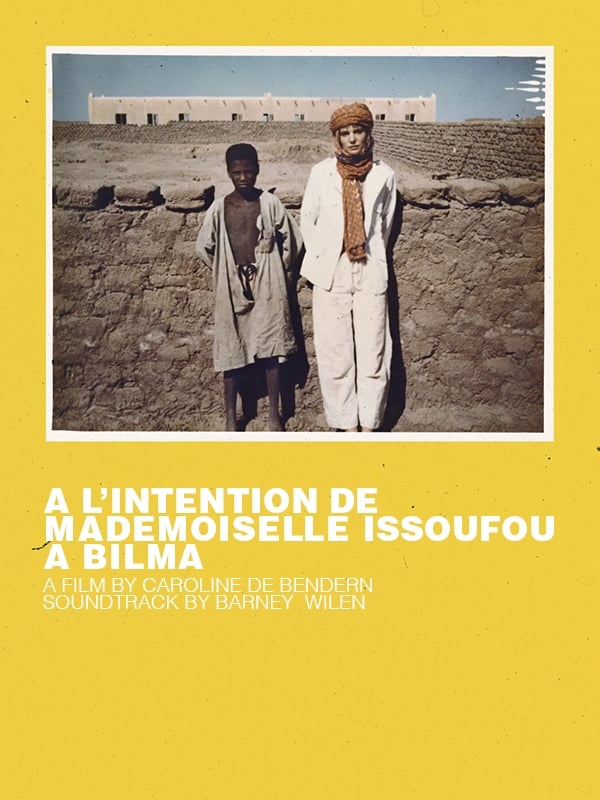
A l'intention de Mademoiselle Issoufou à Bilma
A look into Africa that is rarely available to ethnographers or anthropologists. At its heart is the spirit of interaction. It observes, but with the wavering eye of home movie, rather than the fixed formality of a documentary.
Insights
Plot Summary
This documentary by Jean Rouch follows two women, Madame Issoufou and Madame Ramatoulaye, from Niger as they undertake a journey to Bilma, a city in the Sahara Desert. The film captures their experiences, conversations, and observations during their travels, exploring themes of tradition, modernity, and the role of women in society. It offers a unique ethnographic perspective through the eyes of its subjects.
Critical Reception
As an experimental ethnographic film, 'A l'intention de Mademoiselle Issoufou à Bilma' is often appreciated for its innovative approach to documentary filmmaking and its authentic portrayal of Nigerien life. It is recognized for its contribution to cinema verité and anthropology, though its unconventional style may not appeal to all viewers. Critical discussions often focus on Rouch's collaborative method and the insights it provides into cultural practices and social dynamics.
What Reviewers Say
Praised for its pioneering ethnographic approach and cinema verité style.
Recognized for its authentic portrayal of women's lives and journeys in Niger.
Appreciated for Rouch's collaborative and observational filmmaking techniques.
Google audience: Information regarding specific Google user reviews and ratings for this particular film is not readily available in public databases.
Fun Fact
Jean Rouch's documentaries, including this one, are known for their 'cinéma vérité' style, where the filmmaker engages with the subjects and allows them to influence the direction of the film, blurring the lines between observation and participation.
AI-generated overview · Verify ratings on official sources