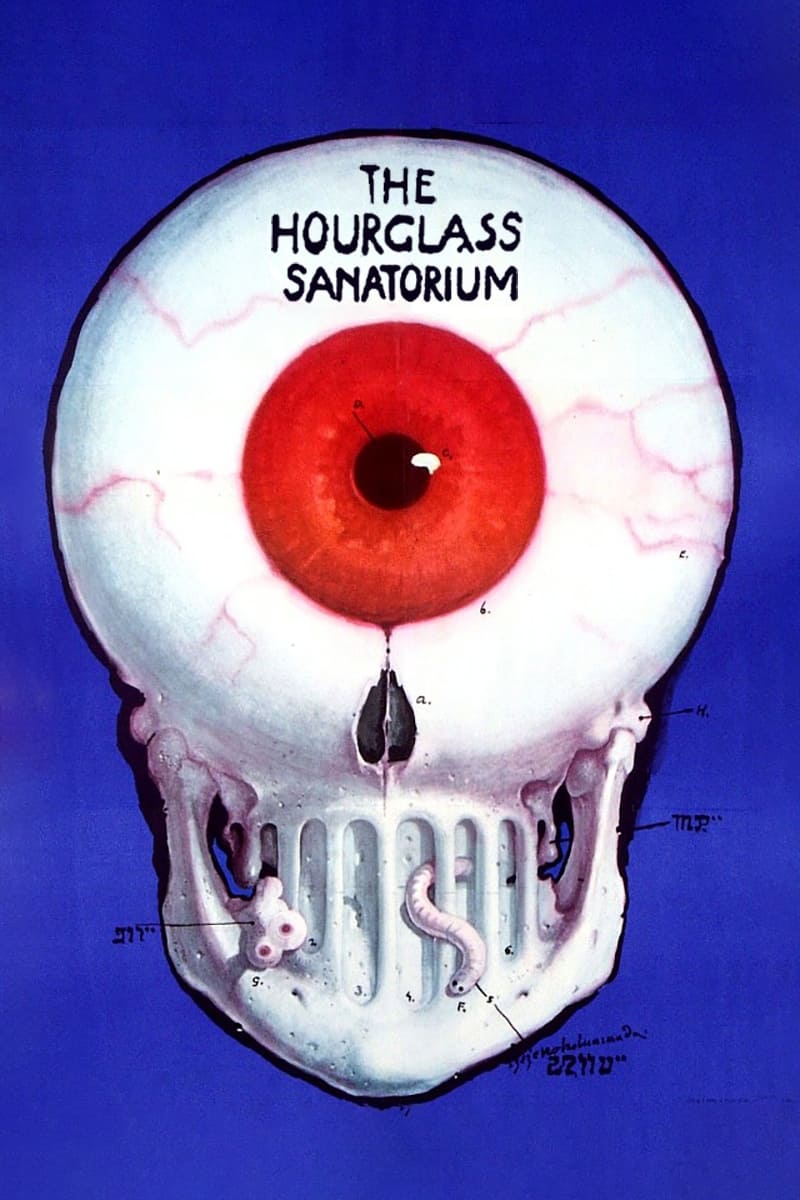

The Hourglass Sanatorium
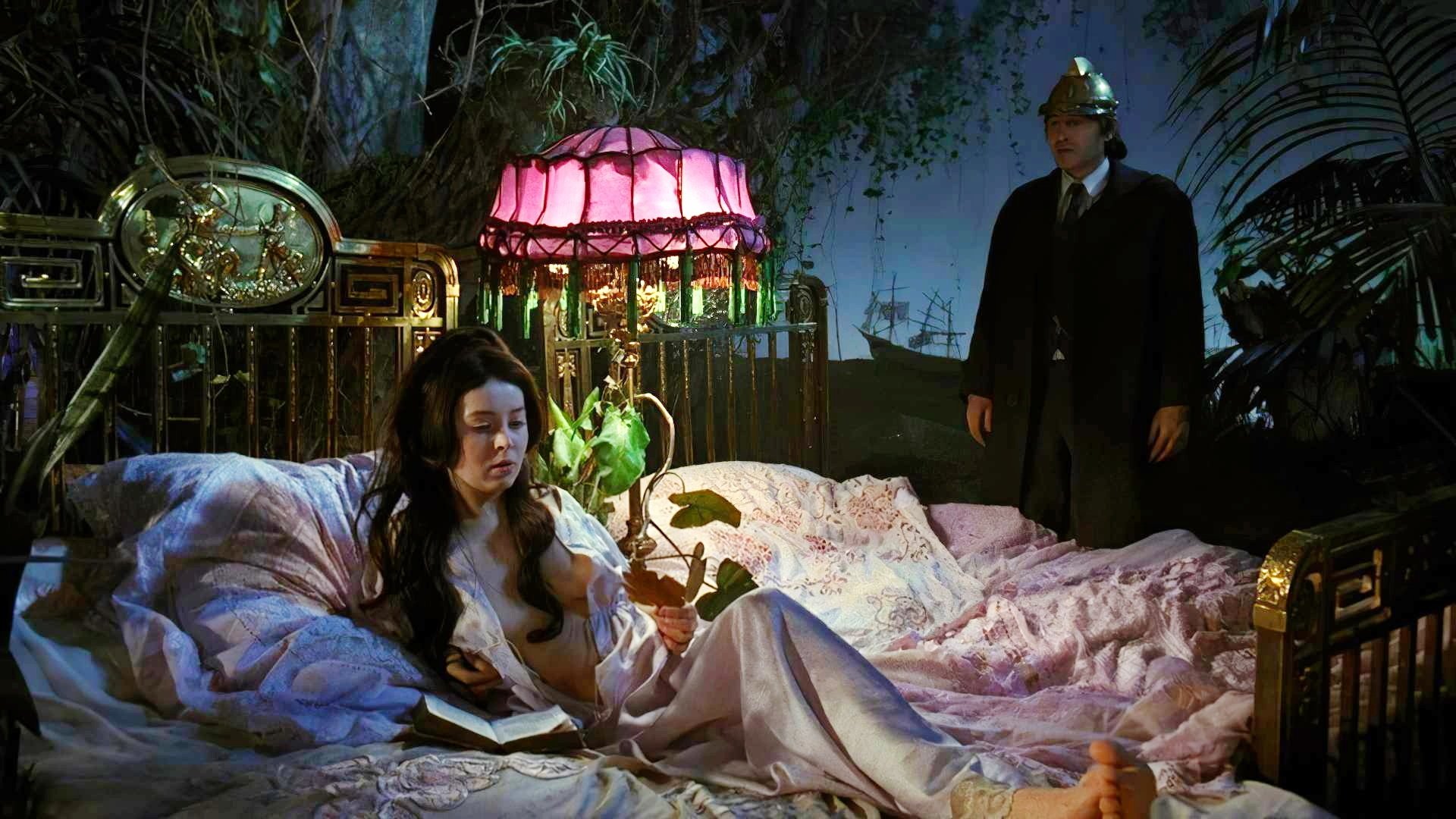
Jozef visits a dilapidated Sanatorium to see his father. Jozef undertakes a strange journey through the many rooms of the sanatorium, each which conjures worlds composed of his memories, dreams and nightmares.
Insights
Plot Summary
A young man visits his dying father in a decaying sanatorium, where time itself seems to be unraveling. As he navigates the surreal and dreamlike corridors, he encounters bizarre patients and staff, each trapped in their own temporal loops. The sanatorium becomes a metaphor for the passage of time and the inevitability of death, blurring the lines between reality, memory, and hallucination.
Critical Reception
The Hourglass Sanatorium is a highly acclaimed Polish film, praised for its surreal atmosphere, philosophical depth, and unique visual style. It is considered a masterpiece of cinematic surrealism and has garnered international recognition for its challenging and thought-provoking narrative.
What Reviewers Say
- Visually stunning and deeply atmospheric, drawing viewers into a dreamlike world.
- A profound exploration of time, memory, and mortality.
- Challenging and ambiguous, rewarding patient viewers with rich symbolism.
Google audience: Information on Google user reviews is not readily available for this film.
Awards & Accolades
Won the Special Jury Prize at the 1973 Cannes Film Festival.
Fun Fact
The film is based on the novella 'The Hourglass Sanatorium' by Bruno Schulz, a writer whose work is known for its rich, dreamlike imagery and exploration of childhood memory and myth.
AI-generated overview · Verify ratings on official sources