Movie spotlight
Magicians of the Earth: Kings of the Water
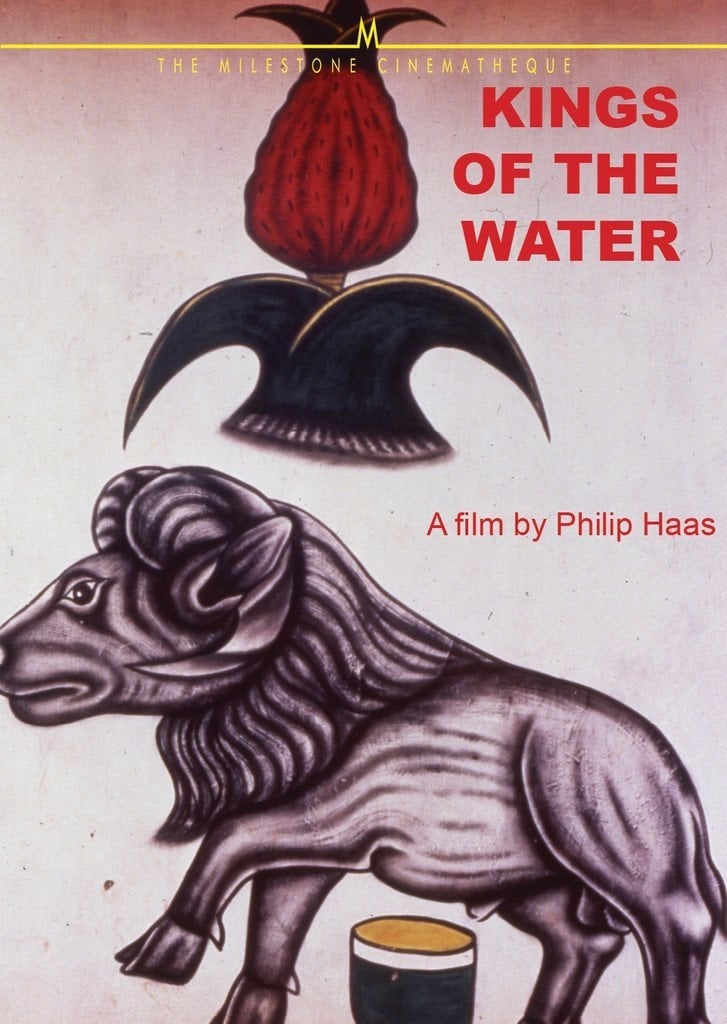
Cyprien Tokoudagba is from the city of Abomey in the Benin Republic of West Africa, where he paints the religious houses of the vodun. Haas and his film crew follow Cyprien as he first paints and then takes part in the ceremony to open a new temple. The paintings include three vodun figures and several emblems, including a pipe and a duck. Cyprien explains his work in the context of the religion and takes the crew to film two other local ceremonies, one where the dead are believed to come back to instruct the living through wild dancing and, another, where women warriors perform their war dances.
Insights
Plot Summary
This documentary explores the traditional cultures and spiritual practices of indigenous peoples who live in close connection with water sources, focusing on their relationship with rivers and oceans. It delves into their myths, rituals, and daily lives, highlighting the importance of water in their societies and belief systems.
Critical Reception
Information on the critical reception of 'Magicians of the Earth: Kings of the Water' is scarce, as it appears to be a lesser-known documentary. It is likely that its audience was niche, focused on anthropological and cultural studies. Without widespread reviews, it's difficult to gauge its general critical standing.
What Reviewers Say
Appreciated for its anthropological insights into indigenous water-centric cultures.
Often noted for its visual documentation of unique spiritual practices.
May lack broad appeal due to its specialized subject matter.
Google audience: Audience reviews are not readily available for this documentary, suggesting limited public discussion or access.
Fun Fact
The 'Magicians of the Earth' project was an international initiative that resulted in a series of exhibitions and documentaries exploring different cultures and their relationship with the Earth.
AI-generated overview · Verify ratings on official sources