
Movie spotlight
Iphigenia
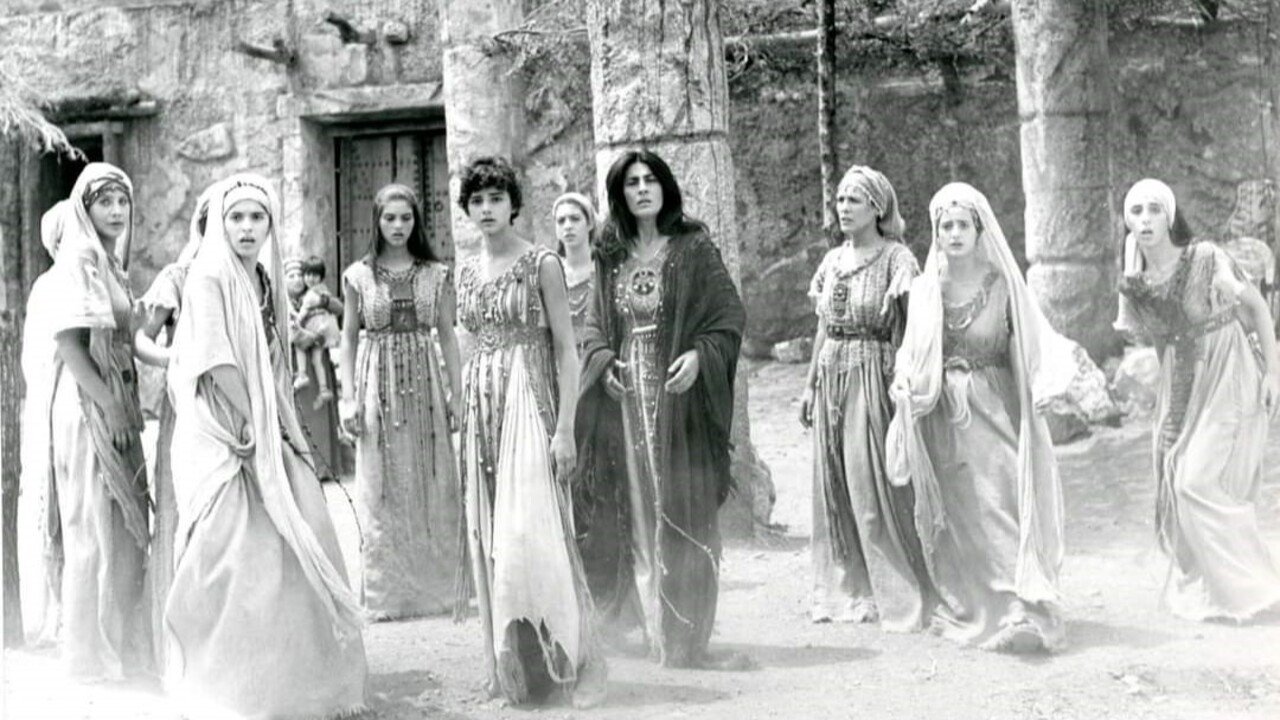
The Greek army is about to set sail to a great battle, but the winds refuse to blow. Their leader, King Agamemnon, seeks to provide better food, but accidentally slays a sacred deer. His punishment from the gods, the sacrifice of his daughter Iphigenia.
Insights
Plot Summary
Set on the eve of the Trojan War, the film depicts the agonized decision of King Agamemnon to sacrifice his daughter, Iphigenia, to appease the goddess Artemis. Faced with divine wrath and the pleas of his wife Clytemnestra, Agamemnon grapples with his duty as a king and his love as a father. The story culminates in the tragic fulfillment of the sacrifice, exploring themes of fate, religious duty, and the brutal realities of war.
Critical Reception
Iphigenia was met with critical acclaim for its powerful performances, particularly Irene Papas, and its stark, unflinching portrayal of ancient Greek tragedy. The film was praised for its visual austerity and its deep exploration of moral and ethical dilemmas, though some found its pacing deliberate.
What Reviewers Say
Praised for Irene Papas's commanding performance.
Lauded for its powerful and tragic retelling of a classic myth.
Appreciated for its stark, theatrical presentation and emotional weight.
Google audience: Audience reception for 'Iphigenia' is generally positive, with viewers often highlighting the film's dramatic intensity and the memorable performance by Irene Papas as central to its impact. The tragic narrative and its exploration of profound themes resonate strongly with viewers.
Awards & Accolades
Selected as the Greek entry for the Best Foreign Language Film at the 50th Academy Awards, though it was not nominated. Nominated for the Golden Globe for Best Foreign-Language Film.
Fun Fact
The film is the first installment in Michael Cacoyannis's trilogy of Greek tragedies, followed by 'The Trojan Women' (1971) and 'The Bacchae' (1964) (though released out of chronological order relative to the story).
AI-generated overview · Verify ratings on official sources