Movie spotlight
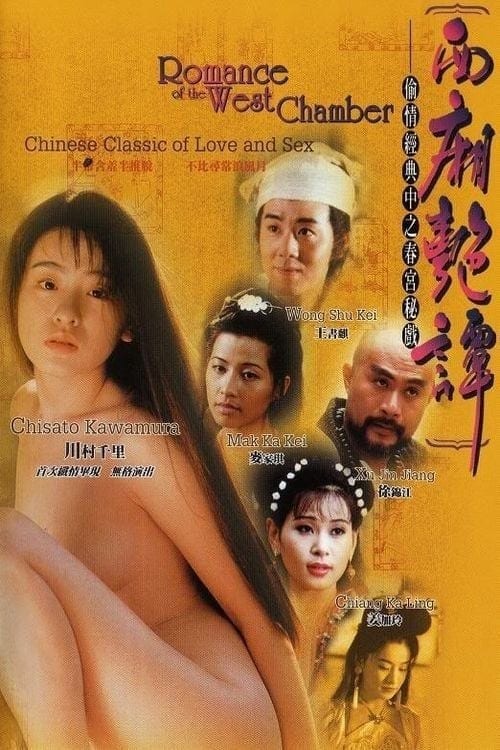
Romance of the West Chamber
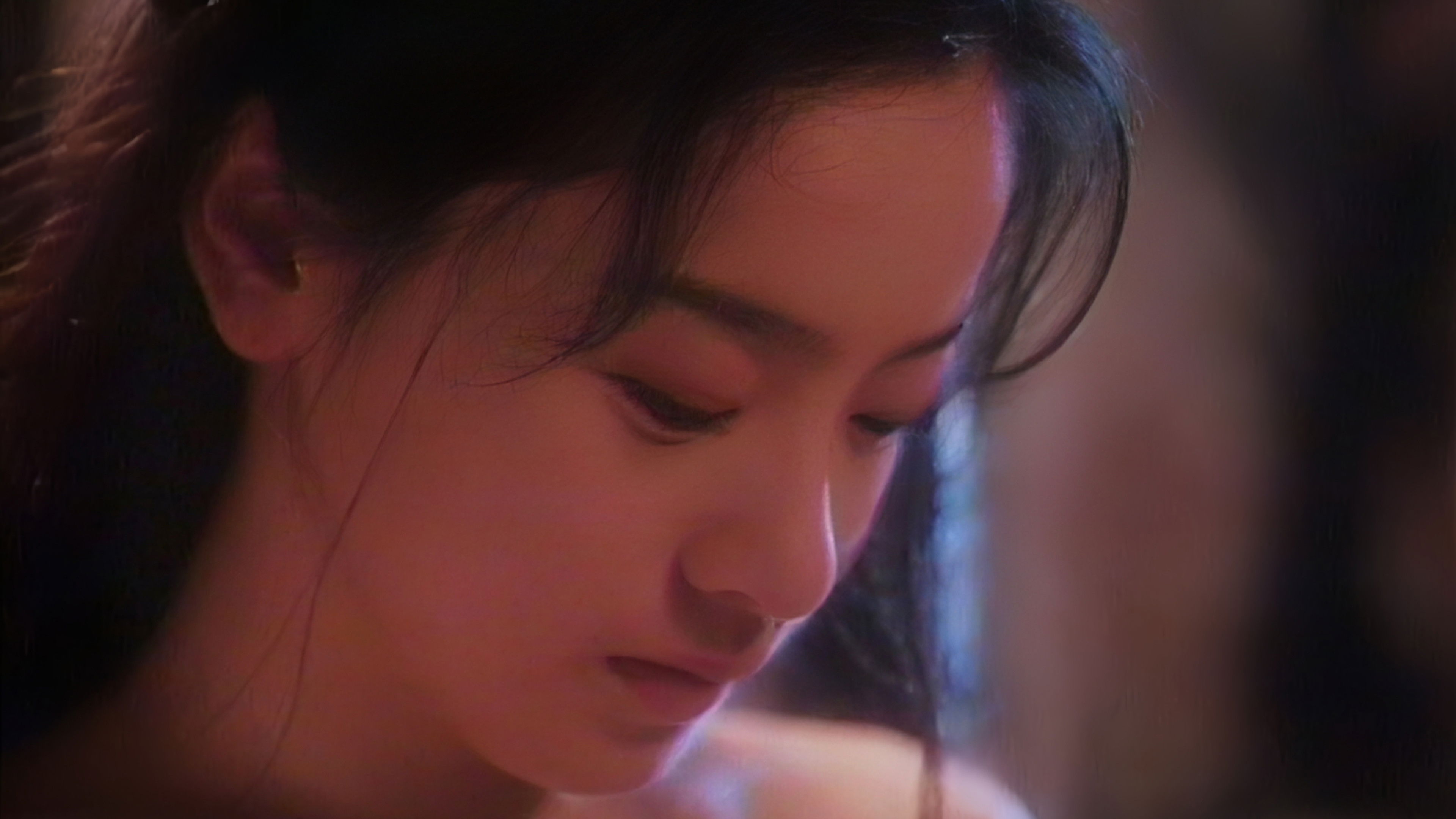
Cheung, a 23-year-old unmarried travelling scholar, stops by the monastery, where he sees a beautiful woman. Against the rules, Monk Faben allows Cheung to stay and woo the girl, Ann-Ann. She is shy, and also the Prime Minister's daughter, so the wooing is arranged by Ann-Ann's maid Hung.
Insights
Plot Summary
Based on a famous classical Chinese play, this film tells the story of Cui Yingying, a beautiful and talented young woman from a noble family, and her forbidden romance with the scholar Zhang Sheng. Their love blossoms when Zhang Sheng tutors Yingying and her mother, but faces immense obstacles due to societal expectations and the opposition of Yingying's mother. The narrative explores themes of love, duty, and societal constraints in ancient China.
Critical Reception
The film was a significant production, aiming to bring a classic Chinese literary work to a wider audience. While visually rich and featuring strong performances, its critical reception was mixed, with some praising its faithfulness to the source material and aesthetic beauty, while others found its pacing slow and its adaptation lacking modern cinematic dynamism. Audience reception was similarly divided, appreciating the cultural significance but sometimes finding the narrative overly traditional.
What Reviewers Say
Praised for its visually stunning cinematography and authentic period setting.
Noted for strong performances, particularly from the lead actors embodying classic archetypes.
Criticized by some for a somewhat dated narrative structure and pacing that may not appeal to all viewers.
Google audience: Information regarding specific Google user reviews for this film is not readily available. However, general audience reactions often highlight its artistic merit and the enduring appeal of the classic story, while some may find its traditional approach less engaging.
Fun Fact
The film is an adaptation of one of the 'Four Great Classical Novels' of Chinese literature, 'Romance of the Western Chamber' (Xixiang Ji), which has been adapted into numerous operas and plays over centuries.
AI-generated overview · Verify ratings on official sources