
bervin
The movie contains one of the longest average shot lengths in motion picture: 350 seconds. The second take runs approximately 10 minutes.

Movie spotlight
It has been fifteen years since the death of her father, Agamemnon, and Elektra still burns with hatred for Aegisztosz, who conspired with Elektra's mother to kill him.
In 19th-century Hungary, a young woman named Electra is caught between her family's traditional expectations and her own burgeoning desires for freedom and self-determination. As she navigates a society rigidly defined by class and gender roles, she grapples with arranged marriages and the constraints placed upon her. The film explores her internal struggle and her attempts to break free from the societal structures that seek to confine her.
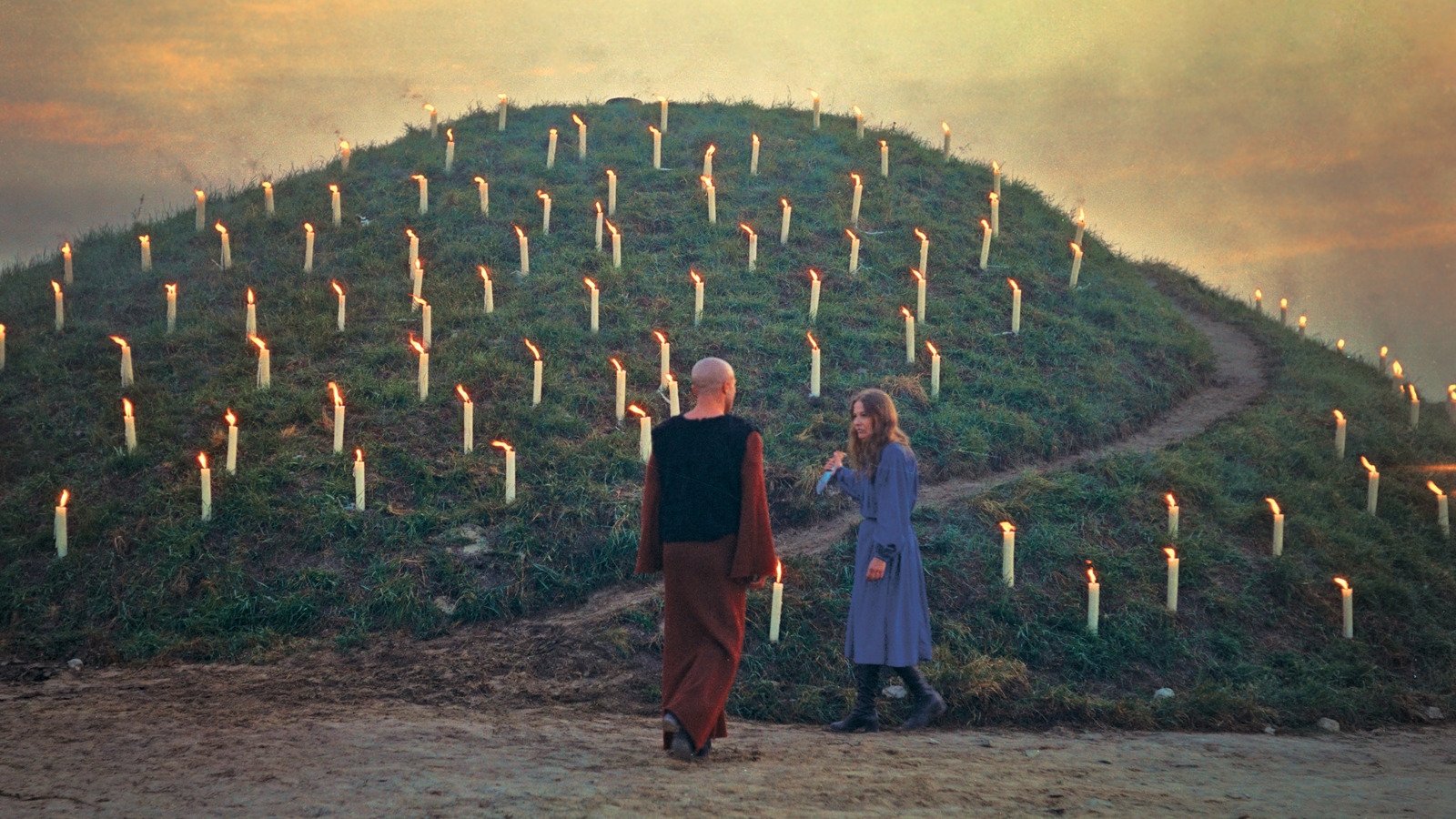
Miklós Jancsó's 'Electra, My Love' is a visually striking and thematically rich exploration of oppression and the yearning for liberation. While acclaimed for its distinctive visual style and allegorical depth, its deliberate pacing and somber tone have led to varied critical responses, with some finding it profoundly moving and others deeming it austere.
Praised for its iconic, haunting visuals and Jancsó's signature long takes.
Noted for its potent allegorical commentary on political and personal freedom.
Some found its stark aesthetic and philosophical themes challenging.
Google audience: Information on Google user reviews and ratings for this film is not widely available.
Screened at the 1975 Cannes Film Festival.
The film is a loose adaptation of Sophocles's ancient Greek tragedy 'Electra,' recontextualized within a Hungarian historical setting to explore themes of political oppression and personal awakening.
AI-generated overview · Verify ratings on official sources
The movie contains one of the longest average shot lengths in motion picture: 350 seconds. The second take runs approximately 10 minutes.