
Movie spotlight
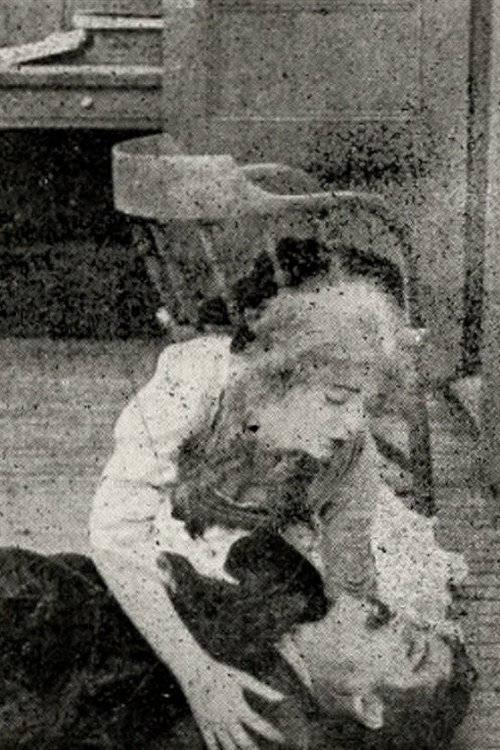
Broken Ways
In this story the young wife concerned is called upon to solve a rather momentous question. After separating from her husband, whom she has discovered to be a brute and a criminal, she is about to give herself to another man, believing her husband dead, when he appears before her fleeing from justice. Shall she deliver him to the law or surrender to his claims? She yields in one instance, but not in the other. Then justice intervenes.
Insights
Plot Summary
A young woman, facing dire poverty, attempts to steal money from her employer to help her ailing mother. She is caught in the act, leading to a tragic confrontation that highlights the harsh realities of life for the poor in that era. The film explores themes of desperation, morality, and the consequences of societal inequality.
Critical Reception
As a short film from the early silent era, specific critical reviews are scarce. However, D.W. Griffith's early works were generally lauded for their innovative storytelling and emotional impact, laying groundwork for cinematic techniques that would become standard. "Broken Ways" would have been seen as an example of Griffith's ability to evoke pathos and social commentary.
What Reviewers Say
Explores the struggles of poverty with a poignant narrative.
Demonstrates early Griffith's skill in eliciting emotional responses.
A snapshot of social issues through dramatic storytelling.
Google audience: Information on Google user reviews for this 1913 short film is not available.
Fun Fact
This film is notable for featuring both Lillian Gish and her sister Dorothy Gish, two of the most prominent actresses of the silent film era, in early roles.
AI-generated overview · Verify ratings on official sources