Movie spotlight
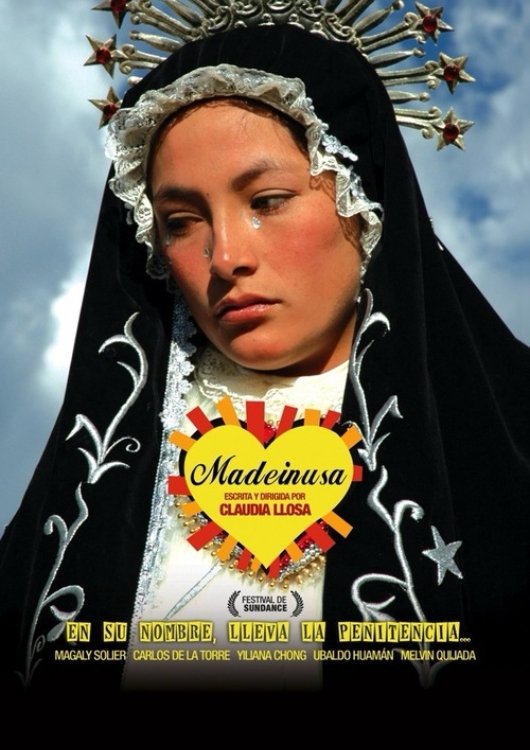
Madeinusa
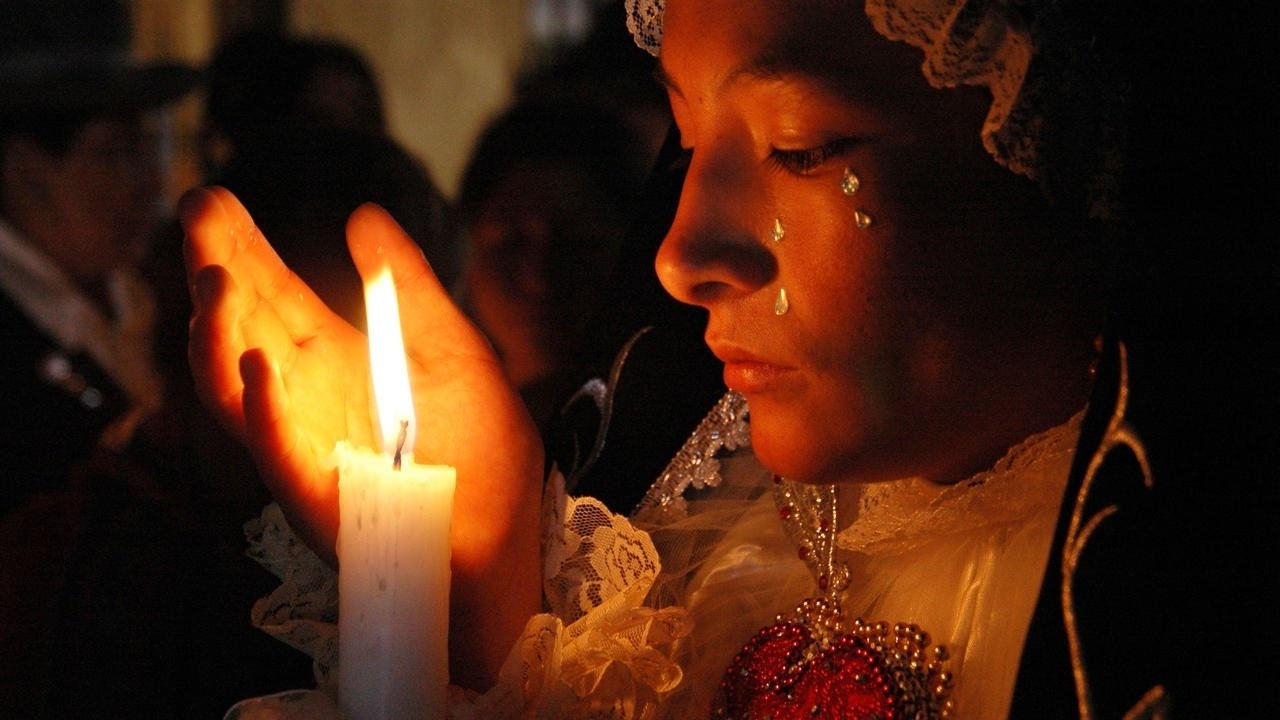
Madeinusa is a girl who lives in an isolated village in the mountains of Peru. This strange place is characterized by its religious fervor, and seemingly odd custom: from Good Friday at three o’clock in the afternoon to Easter Sunday, the whole village can do whatever it feels like.
Insights
Plot Summary
In a remote Andean village, Manuela, a young Quechua woman, struggles with her deep Catholic faith and the ancient traditions of her community. When her mother dies, Manuela's devout belief in divine punishment leads her to confess to a sin she did not commit, setting in motion a chain of events that challenges her understanding of sin, sexuality, and salvation. Her journey is intertwined with the village's fervent preparations for Carnival, a time of both religious observance and pagan revelry.
Critical Reception
Madeinusa was critically acclaimed for its stunning visuals, powerful performances, and unflinching exploration of complex themes. It was lauded for its unique perspective on faith, tradition, and female agency in a remote cultural setting, though some found its narrative challenging.
What Reviewers Say
Praised for its atmospheric and visually striking portrayal of Andean life.
Lauded for Magaly Solier's compelling and nuanced central performance.
Noted for its ambitious thematic exploration of faith, sin, and tradition.
Google audience: Information not readily available for Google user reviews.
Awards & Accolades
Won the FIPRESCI Prize at the 2006 Berlin International Film Festival. Screened at numerous international film festivals.
Fun Fact
The film's director, Claudia Llosa, chose the name 'Madeinusa' as a phonetic interpretation of 'Made in USA,' symbolizing the clash between indigenous culture and Western influence.
AI-generated overview · Verify ratings on official sources