
tmdb37548952
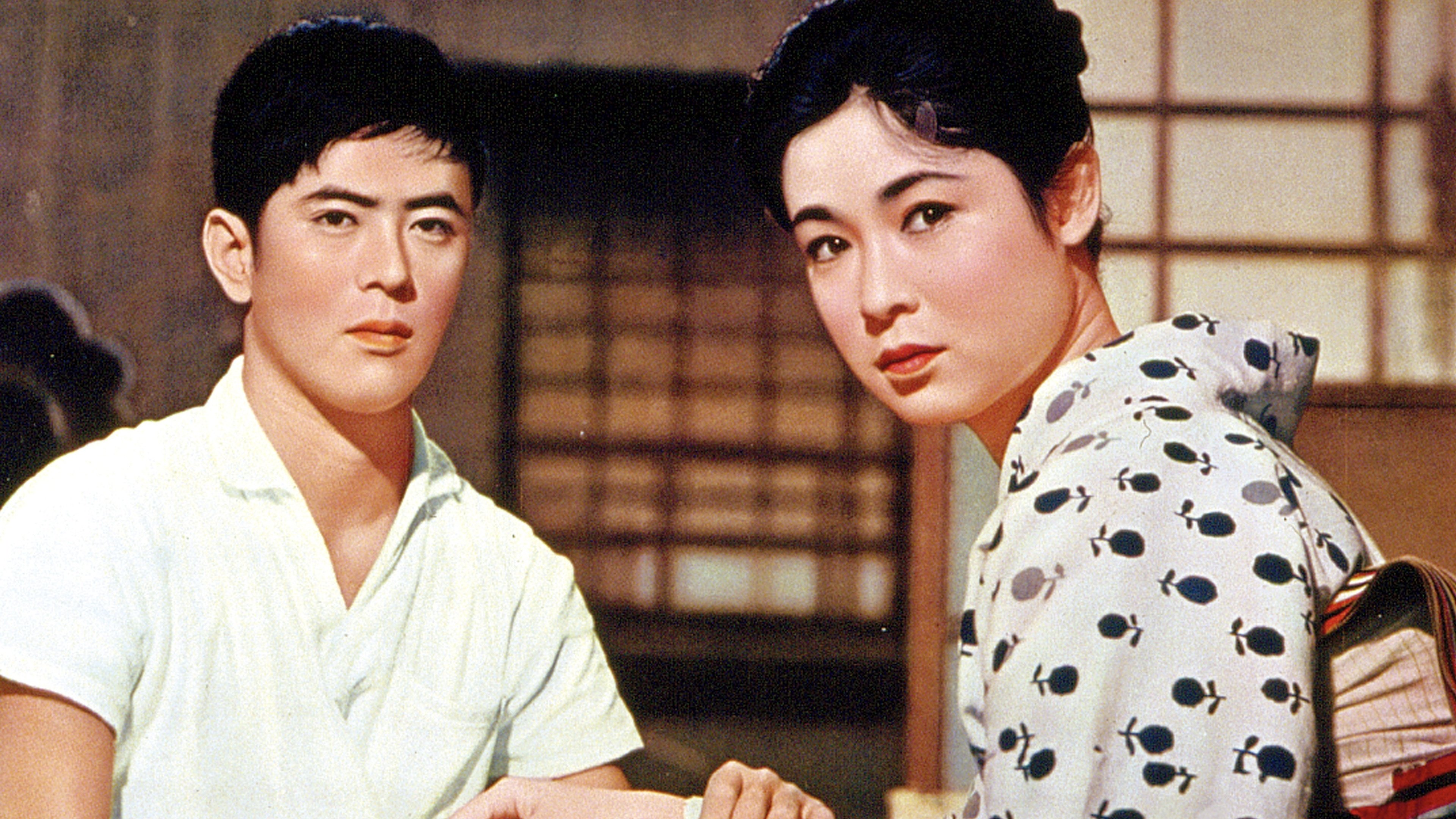
Ozu dark mode. Color surprisingly got him painting characters with a different pallete and they all shady except the mom. Suppose it reflects a different era but quite entertaining
Movie spotlight
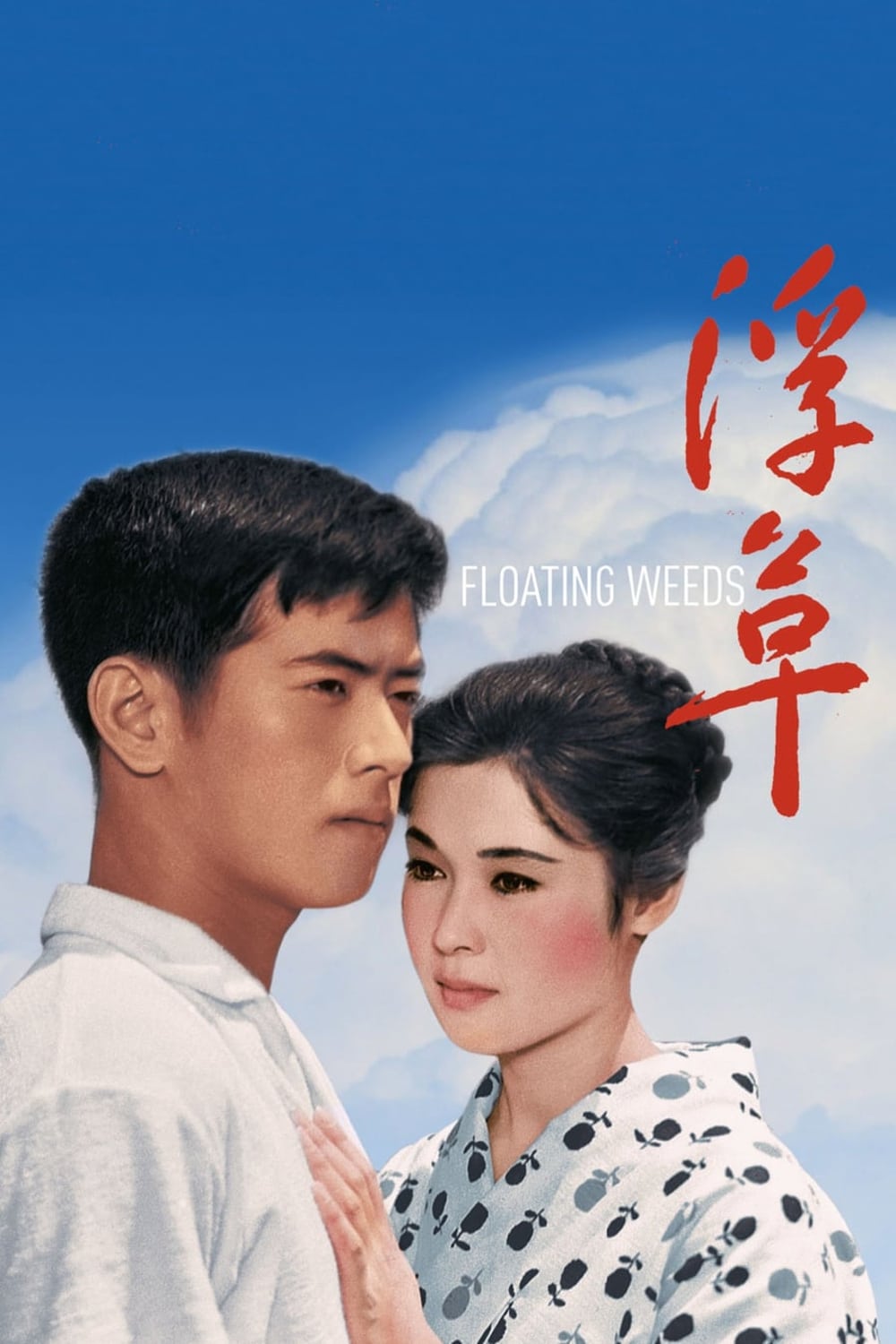
A theater troupe master's visit with his old flame unintentionally sets off a chain of unexpected events with devastating consequences.
A troupe of traveling actors visits a coastal town, where the patriarch intends to announce his retirement and introduce his illegitimate son to his former wife and legitimate son. However, his plans are complicated by his loyal mistress, who discovers his intentions and threatens to expose the truth. The film explores themes of family, duty, and the passage of time against the backdrop of a changing Japan.
Floating Weeds is widely regarded as one of Ozu's masterpieces, celebrated for its poignant exploration of family dynamics, its subtle emotional depth, and its distinctive visual style. Critics often praise its understated performances and its melancholic yet beautiful depiction of societal and personal change.
Praised for its masterful direction and subtle storytelling.
Acclaimed for its poignant portrayal of family relationships and societal shifts.
Lauded for its visually stunning cinematography and evocative atmosphere.
Google audience: Audiences consistently praise the film's emotional resonance and Ozu's signature directorial style, highlighting its ability to evoke deep feelings through quiet moments and nuanced performances. Many find the story deeply moving and relatable.
None notable (while highly acclaimed, it did not receive major competitive awards in the traditional sense).
The film is a remake of Ozu's own 1934 silent film 'A Story of Floating Weeds', which is now considered a lost film.
AI-generated overview · Verify ratings on official sources
Ozu dark mode. Color surprisingly got him painting characters with a different pallete and they all shady except the mom. Suppose it reflects a different era but quite entertaining