
Movie spotlight
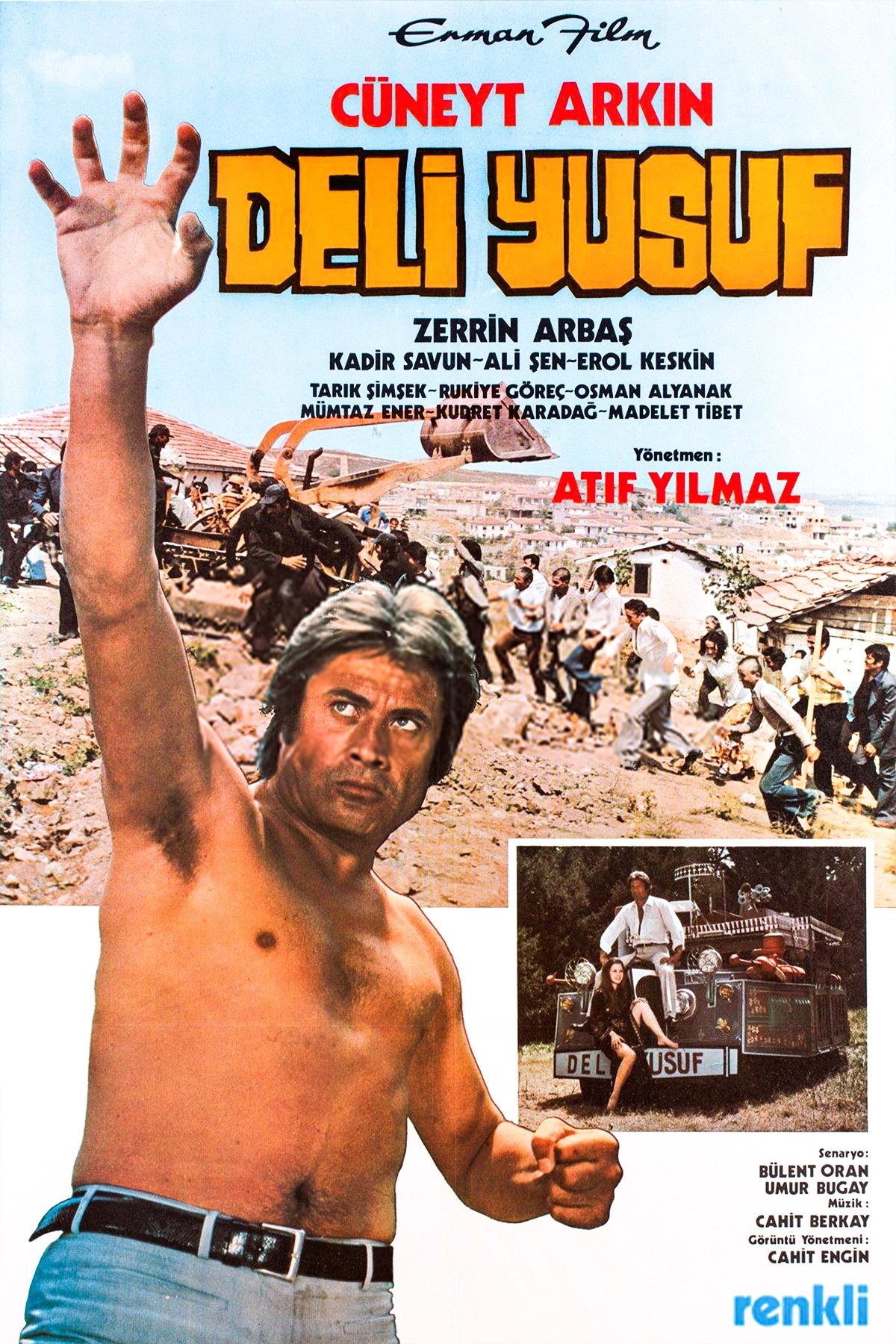
Deli Yusuf
A wealthy man named Abbas, the lord of Bolu, exploited the poor people in his region for many years. The people rose up against him under the leadership of a brave young man named Deli Yusuf. The lord asked an honest blacksmith who had worked for him for years but had never strayed from justice and truth to build a carriage for him. The old man and his son worked hard for a long time to build the carriage. However, when the cruel lord learns that the cart will be used as a weapon against the poor people who have risen up against him, things change. Despite all the difficulties, Yusuf stands with the people against the lord and begins the fight.
Insights
Plot Summary
Yusuf, a village headman, is disturbed by the encroaching modernity and the changes it brings to his community. He struggles to maintain the traditional ways of life against the temptations of the outside world. The film explores the clash between tradition and progress, and the impact of development on rural Anatolian life. Yusuf's resistance to change leads to conflict with his family and fellow villagers.
Critical Reception
Deli Yusuf is considered a significant work in Turkish cinema, praised for its realistic portrayal of societal changes in Anatolia. Critics lauded its thematic depth and the strong performances, particularly from Fikret Hakan. While not a mainstream blockbuster, it resonated with audiences interested in social commentary and historical context.
What Reviewers Say
A powerful depiction of the struggles between tradition and modernity in rural Turkey.
Fikret Hakan delivers a memorable performance as the conflicted village headman.
Explores the social and cultural impact of development with emotional depth.
Google audience: Information not available for Google user reviews.
Fun Fact
The film was part of a wave of Turkish cinema that focused on social realism and the impact of industrialization on traditional village life.
AI-generated overview · Verify ratings on official sources