IMDb7.4/10
Rotten Tomatoes94%
Director: Michael Cacoyannis•Genres: Drama, History
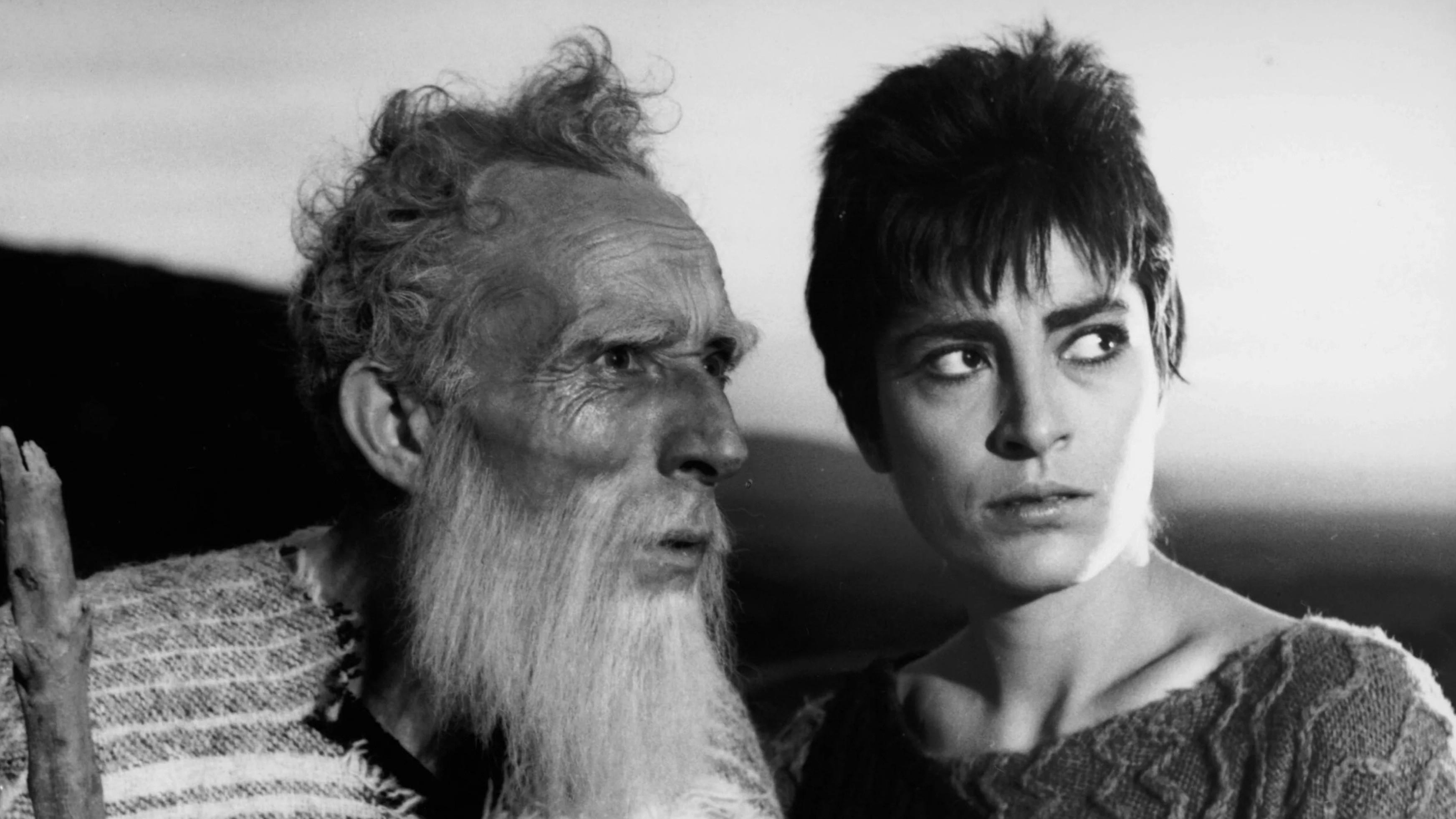
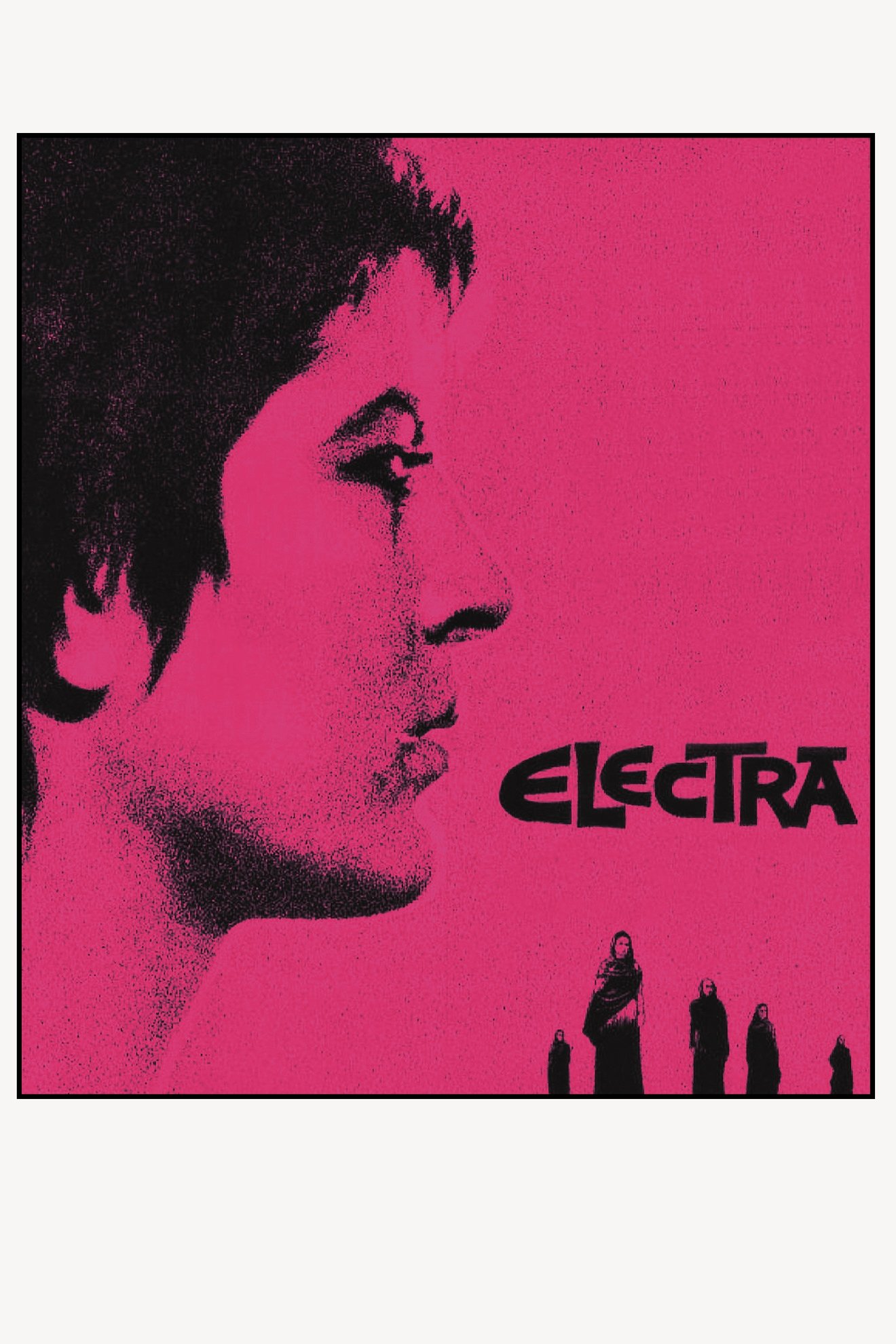
In ancient Mycenae, Electra is consumed by her desire for revenge against her mother Clytemnestra and stepfather Aegisthus for the murder of her father, King Agamemnon. She conspires with her brother Orestes to exact justice for the heinous crime. The film explores themes of familial duty, vengeance, and the cyclical nature of violence in a patriarchal society.
The film was highly acclaimed for its powerful performances, stark direction, and faithful adaptation of Sophocles' tragedy. It was praised for bringing ancient Greek drama to life with visceral intensity and artistic integrity, resonating with both critics and audiences who appreciated its dramatic weight and classical themes.
Praised for Irene Papas' commanding performance as Electra.
Lauded for its authentic portrayal of ancient Greek tragedy.
Applauded for its intense and somber atmosphere.
Google audience: Audience reviews highlight the film's powerful emotional impact and the unforgettable performance of Irene Papas, with many appreciating its faithful and gripping depiction of classic Greek drama.
Nominated for the Academy Award for Best Foreign Language Film and the Palme d'Or at the 1962 Cannes Film Festival.
Director Michael Cacoyannis had previously directed a critically acclaimed film adaptation of 'The Trojan Women' in 1971, also starring Irene Papas.
AI-generated overview · Verify ratings on official sources