
Movie spotlight
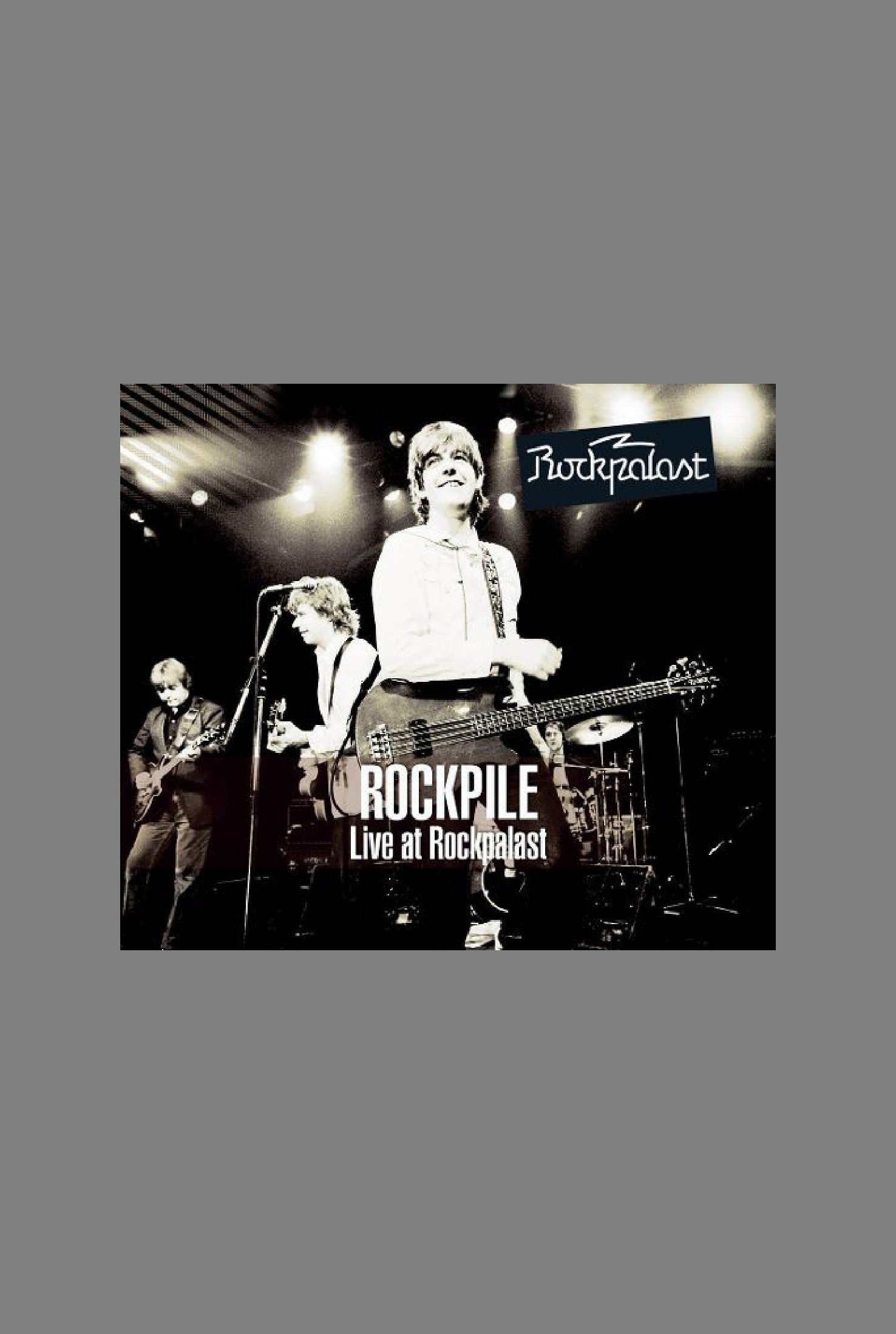
Rockpile: Live at Rockpalast
Rockpile recorded their installment of the German TV show Rockpalast in January 1980, a few months before the appearance of their lone LP, Seconds of Pleasure, but at that point, the quartet were a fixture on the new wave scene, touring constantly and appearing on solo LPs by their co-leaders Dave Edmunds and Nick Lowe. All this is a roundabout way of saying that Rockpile wasn't hurting for material: they drew heavily upon Edmunds' solo records in particular -- 13 of the songs on this 17-song setlist appeared on one of Dave's LPs -- interspersing a few rock & roll oldies along with songs from Nick, plus a showcase for Billy Bremner
Insights
Plot Summary
This is a live performance recording of the British rock supergroup Rockpile, captured during their energetic set at the renowned Rockpalast television show in Essen, Germany. The album showcases the band's signature blend of pub rock, power pop, and new wave influences, featuring hit songs and dynamic stage presence. It serves as a potent snapshot of a legendary live act at the height of their powers.
Critical Reception
While not a traditional film or TV show, 'Rockpile: Live at Rockpalast (1980)' is celebrated by fans as a definitive live document of the band. Critics and listeners alike praise its raw energy, tight musicianship, and the infectious chemistry between its members. It's often cited as one of the best live rock performances captured on video.
What Reviewers Say
The raw energy and tight musicianship of Rockpile are perfectly captured in this live performance.
Fans laud the dynamic stage presence and the authentic pub-rock sound.
Considered a must-have for fans of Dave Edmunds, Nick Lowe, and the era of British rock.
Google audience: Audience reviews consistently highlight the authentic, high-energy performance and the superb blend of rock and pop songwriting. Many appreciate the unpolished, genuine feel of the live set.
Fun Fact
Rockpile was a relatively short-lived supergroup, formed in 1979 and disbanded by 1981, primarily due to the conflicting schedules and commitments of its highly successful individual members.
AI-generated overview · Verify ratings on official sources