Movie spotlight
The Other Side of Everything
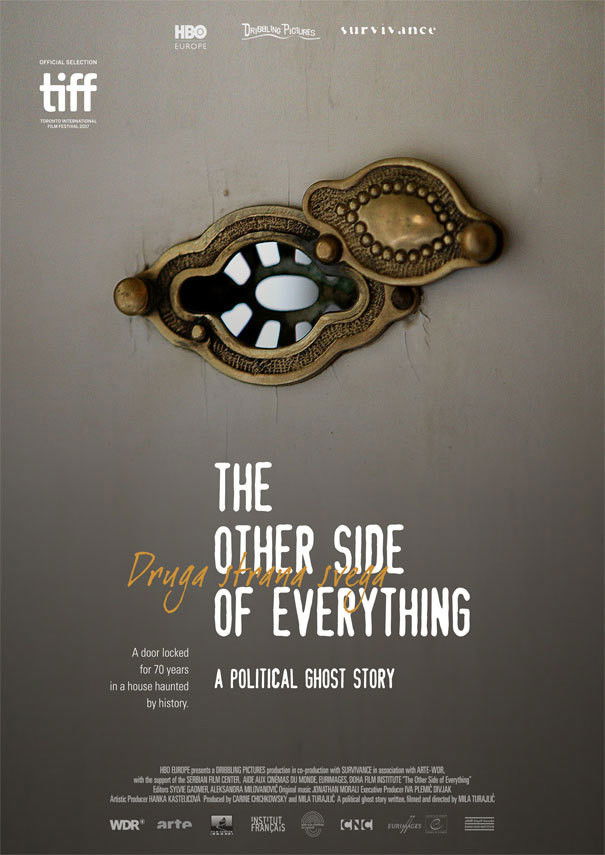
For Serbian filmmaker Mila Turajlic, a locked door in her mother's apartment in Belgrade provides the gateway to both her remarkable family history and her country's tumultuous political inheritance.
Insights
Plot Summary
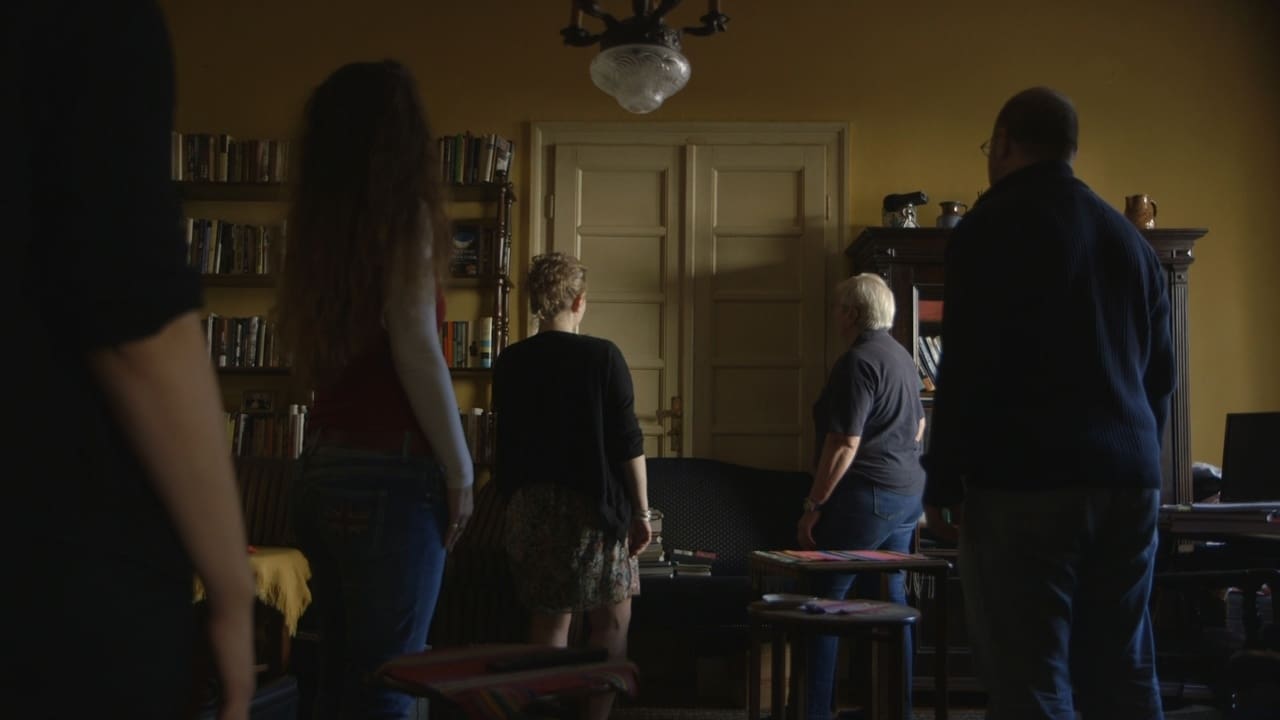
Director Mila Turajlić uses her childhood apartment in Belgrade as a lens to explore the history of Yugoslavia and its dissolution. As she moves out of her parents' home, she uncovers old photographs and documents, triggering a personal and political journey through decades of change. The film intertwines intimate family memories with the sweeping narrative of a nation's tumultuous past and uncertain future.
Critical Reception
The film received widespread critical acclaim for its innovative approach to historical storytelling, blending personal memoir with socio-political commentary. Critics praised Turajlić's ability to humanize complex historical events through the intimate setting of her family's apartment, and its relevance to contemporary European issues.
What Reviewers Say
A deeply personal and profoundly political documentary.
Masterfully weaves individual memory with national history.
Offers a unique and poignant perspective on the fall of Yugoslavia.
Google audience: Audience reviews highlight the film's emotional depth and its success in making complex historical events accessible and relatable through a personal narrative. Many appreciated the director's ability to connect her family's story to the broader socio-political shifts in Yugoslavia.
Awards & Accolades
Winner of the Golden Dove at DOK Leipzig; Special Mention at Thessaloniki Documentary Festival; Awarded at Sarajevo Film Festival.
Fun Fact
The apartment featured in the film had been inhabited by the director's family for 70 years, serving as a microcosm of Yugoslavia's history.
AI-generated overview · Verify ratings on official sources