Insights
Plot Summary
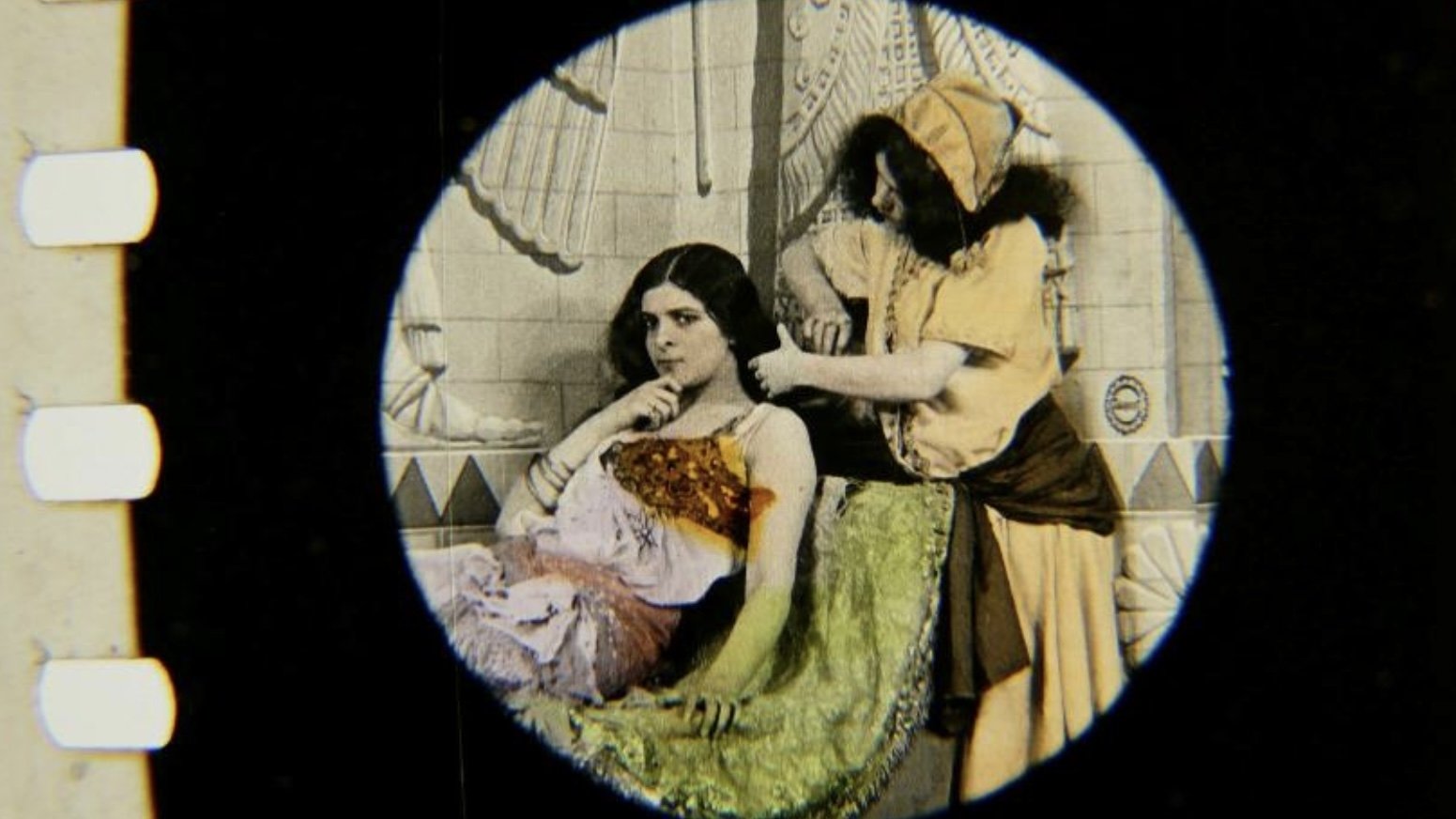
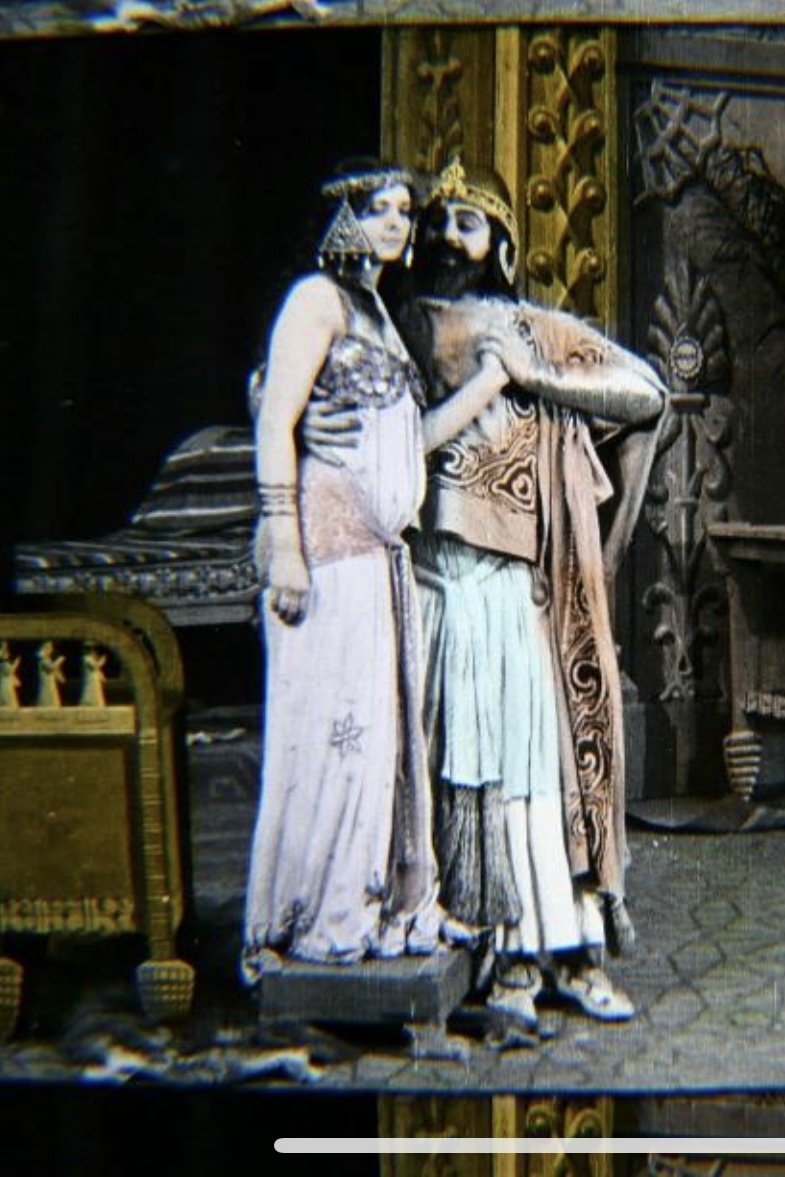
This early D. W. Griffith short film depicts the biblical story of Esther, the Jewish queen of Persia who saves her people from genocide. Esther must overcome her fear and the strict protocols of the Persian court to approach King Ahasuerus and reveal Haman's wicked plot. Her courage and beauty ultimately lead to the salvation of the Jewish people.
Critical Reception
As an extremely early film, formal critical reception in the modern sense is difficult to ascertain. However, it is recognized as an early example of narrative filmmaking and a testament to D.W. Griffith's burgeoning directorial skills in storytelling and visual composition during the silent film era. Its historical significance lies more in its place within film history than in contemporary reviews.
What Reviewers Say
A significant early example of biblical adaptation in cinema.
Showcases D.W. Griffith's early command of narrative structure and visual staging.
Highlights the developing artistry of silent film actors like Florence Lawrence and Mary Pickford.
Google audience: Information regarding specific Google user reviews for a film from 1910 is unavailable. However, its historical context suggests it would have been appreciated for its dramatic narrative and cinematic innovation at the time.
Fun Fact
Florence Lawrence, who plays the titular role of Esther, was one of the very first film actors to achieve widespread public recognition, earning her the nickname 'The Biograph Girl'.
AI-generated overview · Verify ratings on official sources