Movie spotlight
Radopolje
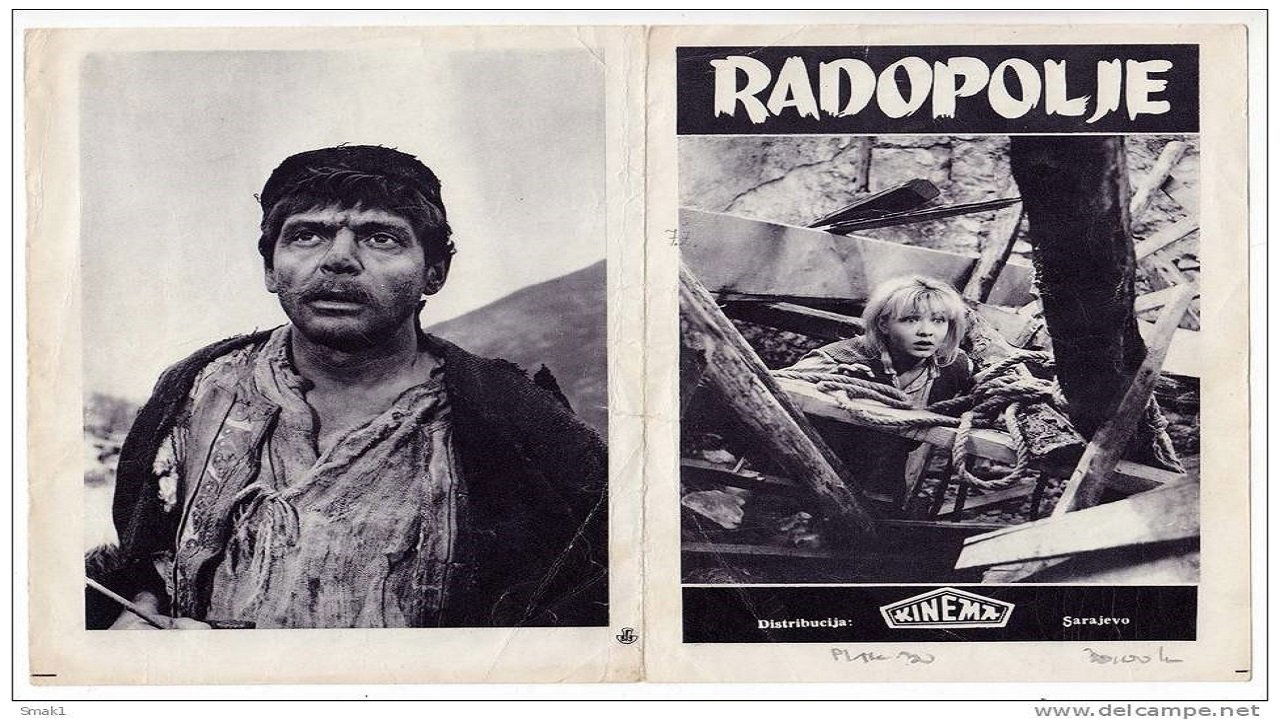
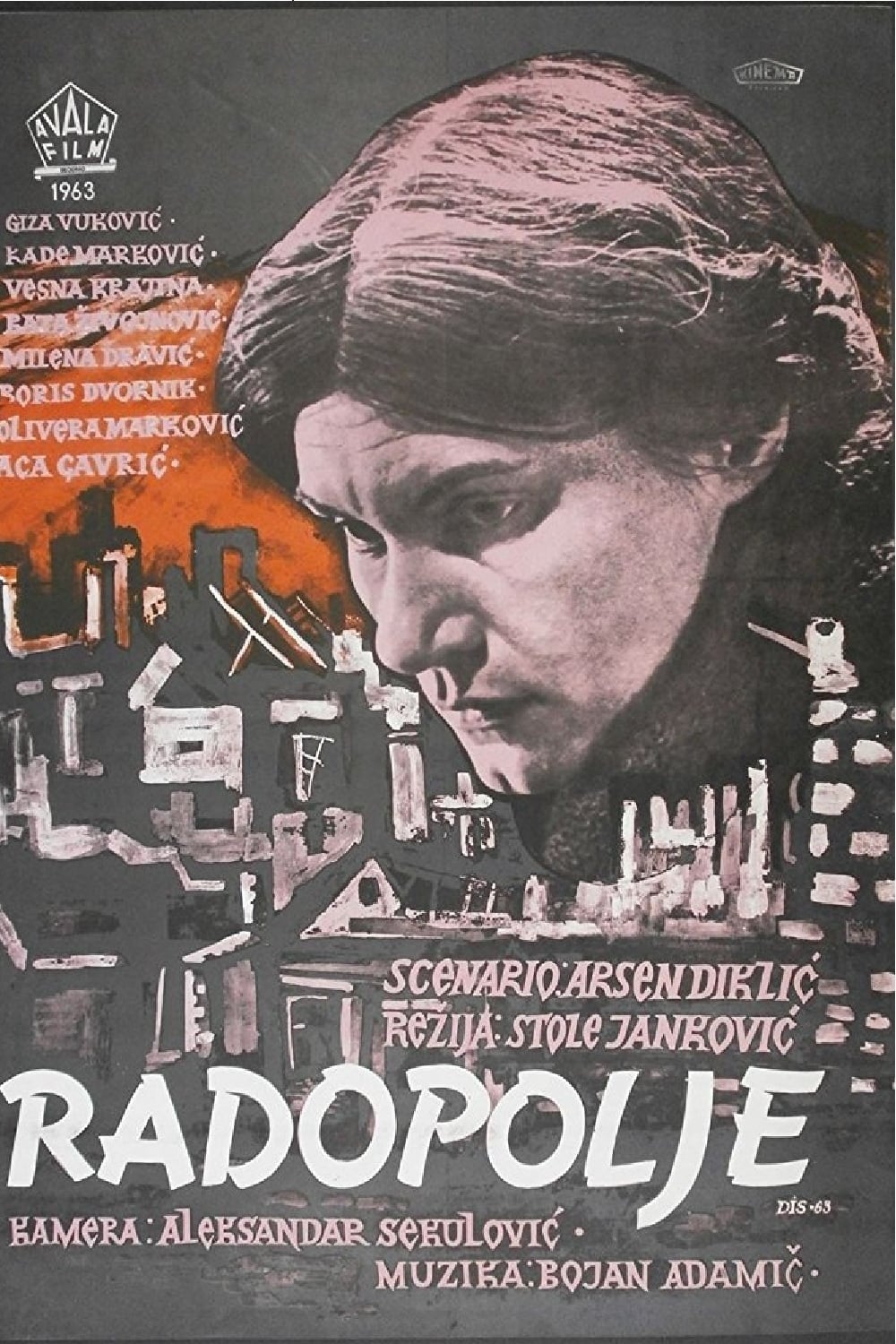
German retaliation expedition burned down the village of Radopolje and killed all the men. When first men appear in the village after the war, Kata Plecas believes they will renew the village. But these men die as well and the question if Radopolje will be the "village of black scarves" again remains.
Insights
Plot Summary
In the post-war Yugoslavian era, Radopolje tells the story of a village grappling with the aftermath of conflict and the challenges of rebuilding their lives. The narrative explores themes of memory, loss, and the complex human relationships that emerge in the face of adversity. As the villagers try to find their footing, they confront their past traumas and strive to create a future amidst uncertainty.
Critical Reception
Radopolje was a notable film from Yugoslavia in the early 1960s, often cited for its realistic portrayal of rural life and its exploration of post-war societal issues. While critical reception was generally positive within its national context, it received more limited international distribution and critical analysis. The film is appreciated for its authentic atmosphere and strong performances.
What Reviewers Say
Praised for its authentic depiction of post-war village life and the emotional toll on its inhabitants.
Noted for strong performances, particularly from its lead actors, who convey the struggles and resilience of the characters.
Considered a significant example of Yugoslav cinema exploring complex social and psychological themes of the era.
Google audience: Information on Google user reviews and ratings for Radopolje is not readily available due to its limited international release and the era in which it was produced.
Awards & Accolades
None notable internationally, though it was a recognized film within Yugoslavian cinema.
Fun Fact
The film was shot on location in rural Yugoslavia, contributing to its authentic and immersive atmosphere.
AI-generated overview · Verify ratings on official sources