Blue Skies
Blue Skies

Movie spotlight

Blue Skies

1929
Movie
60 min
English

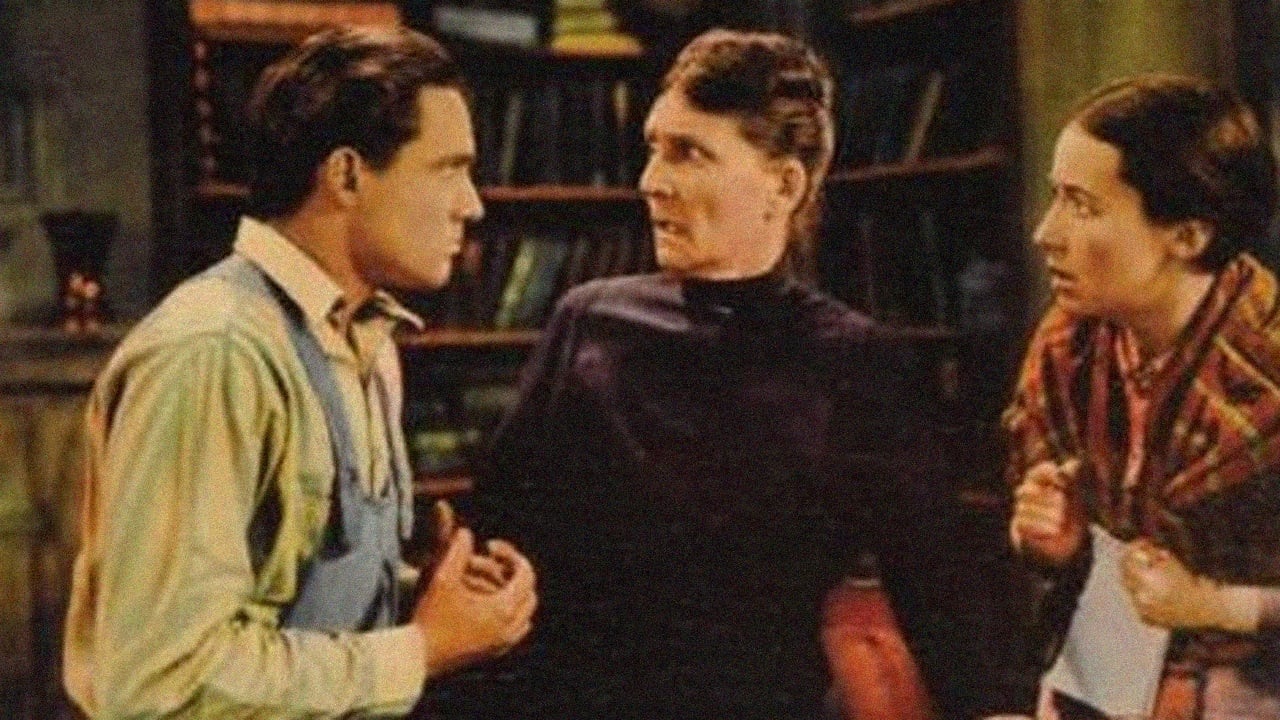
Better known for her work in talkie "weepers," Helen Twelvetrees made a few preliminary appearances in such late silent films as Fox's Blue Skies. The audience was expected to believe that the twentysomething Twelvetrees and Frank Albertson are teenagers living together platonically in an orphan asylum. A wealthy old man comes calling to adopt Albertson -- who, feeling sorry for Twelvetrees, trades places with the girl. Thus it is that the heroine is carted off to a luxurious mansion, while Albertson remains behind. One year later, the old man discovers Albertson's deception, whereupon he invites the boy to live with him as well. By this time, Twelvetrees and Albertson are of marriageable age, thus the film ends with a wedding in the offing.

Insights

IMDb6.4/10
Director: Stuart WalkerGenres: Musical, Romance

Plot Summary

In this early musical, a young woman is caught between two suitors: a wealthy socialite and a charming aviator. The aviator struggles to make a living by taking passengers up in his plane. The film follows the romantic entanglements and musical numbers as the protagonists navigate love and ambition during the late 1920s.

Critical Reception

Blue Skies (1929) received mixed to positive reviews, with many critics praising its musical numbers and Clara Bow's performance, though some found the plot to be somewhat predictable. It was considered a decent entry into the burgeoning musical genre of the time.

What Reviewers Say

  • Praised for its vibrant musical sequences and Clara Bow's effervescent screen presence.

  • Some critics noted a formulaic storyline typical of early musicals.

  • The film was appreciated for its transition to sound and early Technicolor elements.

Google audience: Audience reception for this film is not widely documented through modern platforms, making it difficult to summarize specific Google user opinions.

Fun Fact

Although released in 1929, 'Blue Skies' was filmed using early Technicolor, making it one of the few musicals from that era to retain its color for posterity.

AI-generated overview · Verify ratings on official sources

My Review