
Movie spotlight
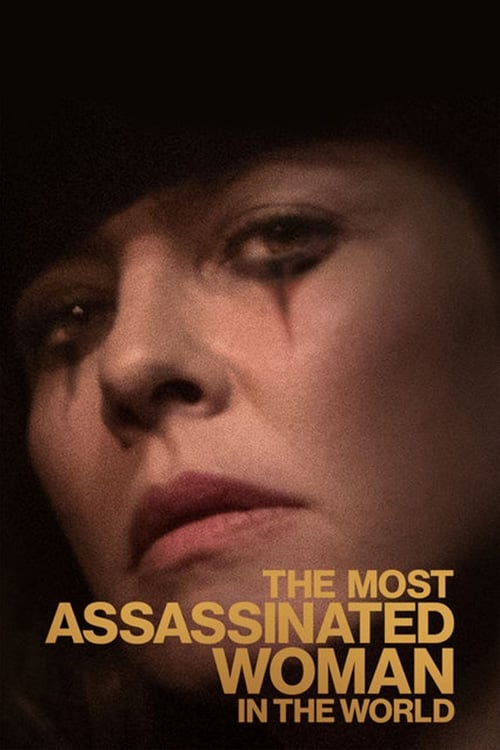
The Most Assassinated Woman in the World
Set against the backdrop of the infamous Theatre Grand Guignol the story revolves around iconic actress Paula Maxa - the most famous of the Grand Guignol's leading ladies and the titular Most Assassinated Woman, who was graphically slain on stage multiple times a day.
Insights
Plot Summary
In 1930s Paris, a young journalist investigates the sensational case of Paula Maxa, a stage actress who is seemingly murdered night after night in a series of increasingly macabre performances. As she delves deeper, the lines between performance and reality begin to blur, leading her to uncover a dark conspiracy. The film explores themes of voyeurism, exploitation, and the theatrical nature of life and death.
Critical Reception
The film garnered a mixed to positive reception, with critics often praising its atmospheric visuals and unique premise, while some found its pacing and narrative a bit uneven. Audiences were generally intrigued by its disturbing subject matter and artistic style.
What Reviewers Say
Praised for its striking visual style and unsettling atmosphere.
Intriguing exploration of themes surrounding performance, death, and media sensationalism.
Some critics noted a slow pace and a lack of narrative clarity in parts.
Google audience: Audience reception data for 'The Most Assassinated Woman in the World' on Google is not widely available.
Fun Fact
The film is inspired by the real-life story of Paula Maxa, a French actress who was indeed subjected to staged 'assassinations' on stage in Paris during the 1930s as part of her act.
AI-generated overview · Verify ratings on official sources