Movie spotlight
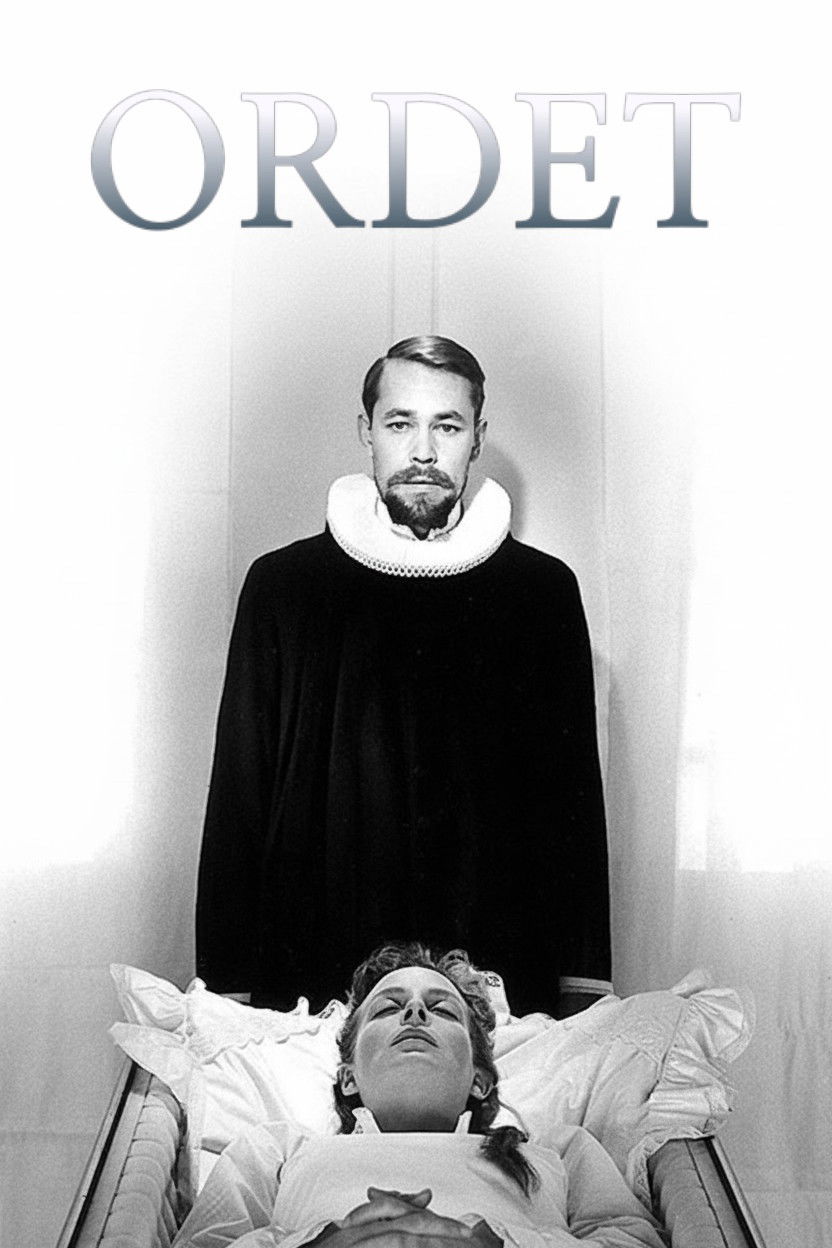
Ordet
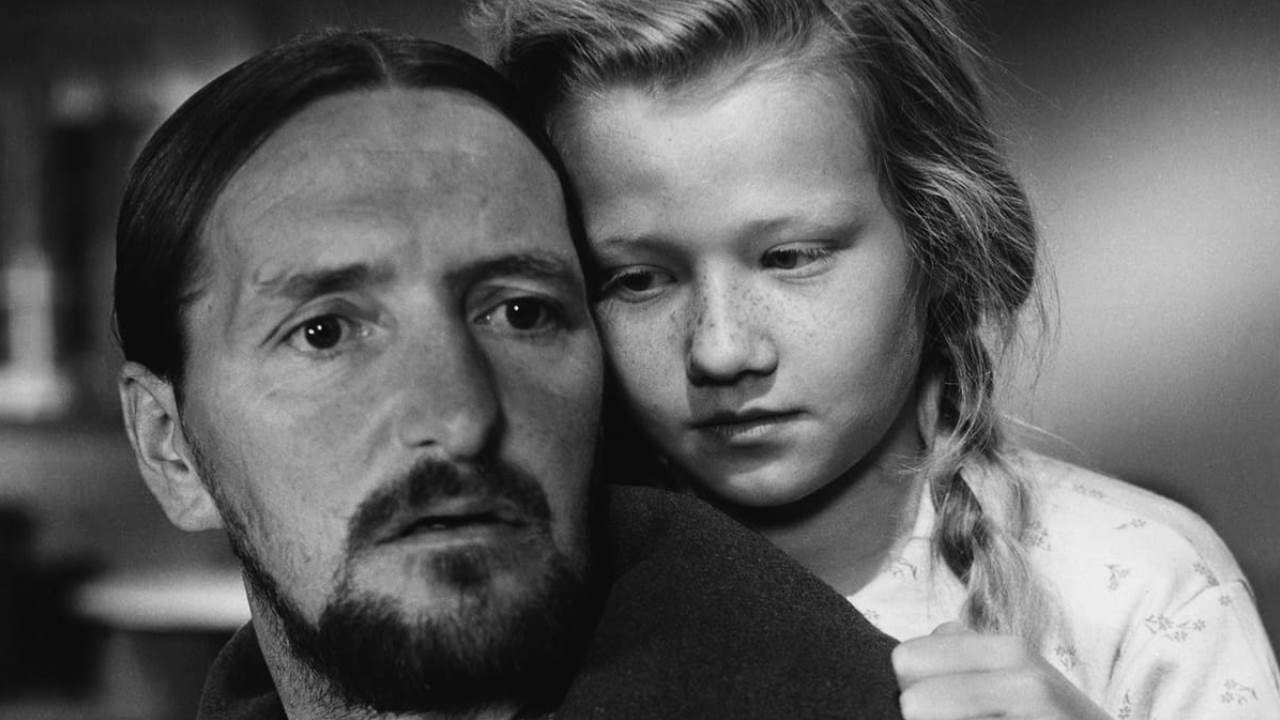
The three sons of devout Danish farmer Morten have widely disparate religious beliefs. Youngest son Anders shares his father's religion, but eldest son Mikkel has lost his faith, while middle child Johannes has become delusional and proclaims that he is Jesus Christ himself. When Mikkel's wife, Inger goes into a difficult childbirth, everyone's beliefs are put to the test.
Insights
Plot Summary
In rural Denmark, the powerful Borgen family is torn apart by religious fervor and unspoken desires. Mikkel, the eldest son, has lost his faith and is tormented by the mental instability of his wife, Anne. His younger brother, Johannes, has become a theology student, believing himself to be Jesus Christ, while the youngest, Anders, longs for the baker's daughter, Inger. The arrival of Inger's father, the wealthy tailor Peter, and the subsequent events, lead to a profound crisis that challenges their beliefs and ultimately brings them to a miraculous resolution.
Critical Reception
Ordet is widely considered a masterpiece of cinematic art, lauded for its profound spiritual and philosophical depth, exceptional direction, and powerful performances. Critics and audiences alike have praised its unhurried pacing, starkly beautiful cinematography, and its exploration of faith, doubt, love, and the possibility of miracles. It is often cited as one of the greatest films ever made.
What Reviewers Say
A profound and deeply spiritual meditation on faith and the human condition.
Visually stunning and intellectually rigorous, offering a challenging yet ultimately rewarding cinematic experience.
Dreyer's masterful direction and the powerful performances create an unforgettable exploration of belief and redemption.
Google audience: Google users overwhelmingly praise 'Ordet' for its profound philosophical and spiritual themes, masterful filmmaking, and emotionally resonant storytelling. Many highlight its thought-provoking nature and its ability to inspire deep reflection on faith and life.
Awards & Accolades
Winner of the Golden Lion at the Venice Film Festival (1955).
Fun Fact
The film is based on a 1930 play by Kaj Munk, a Danish pastor and playwright who was killed by the Nazis during World War II. Dreyer was deeply affected by Munk's martyrdom and felt compelled to adapt his play.
AI-generated overview · Verify ratings on official sources