Movie spotlight
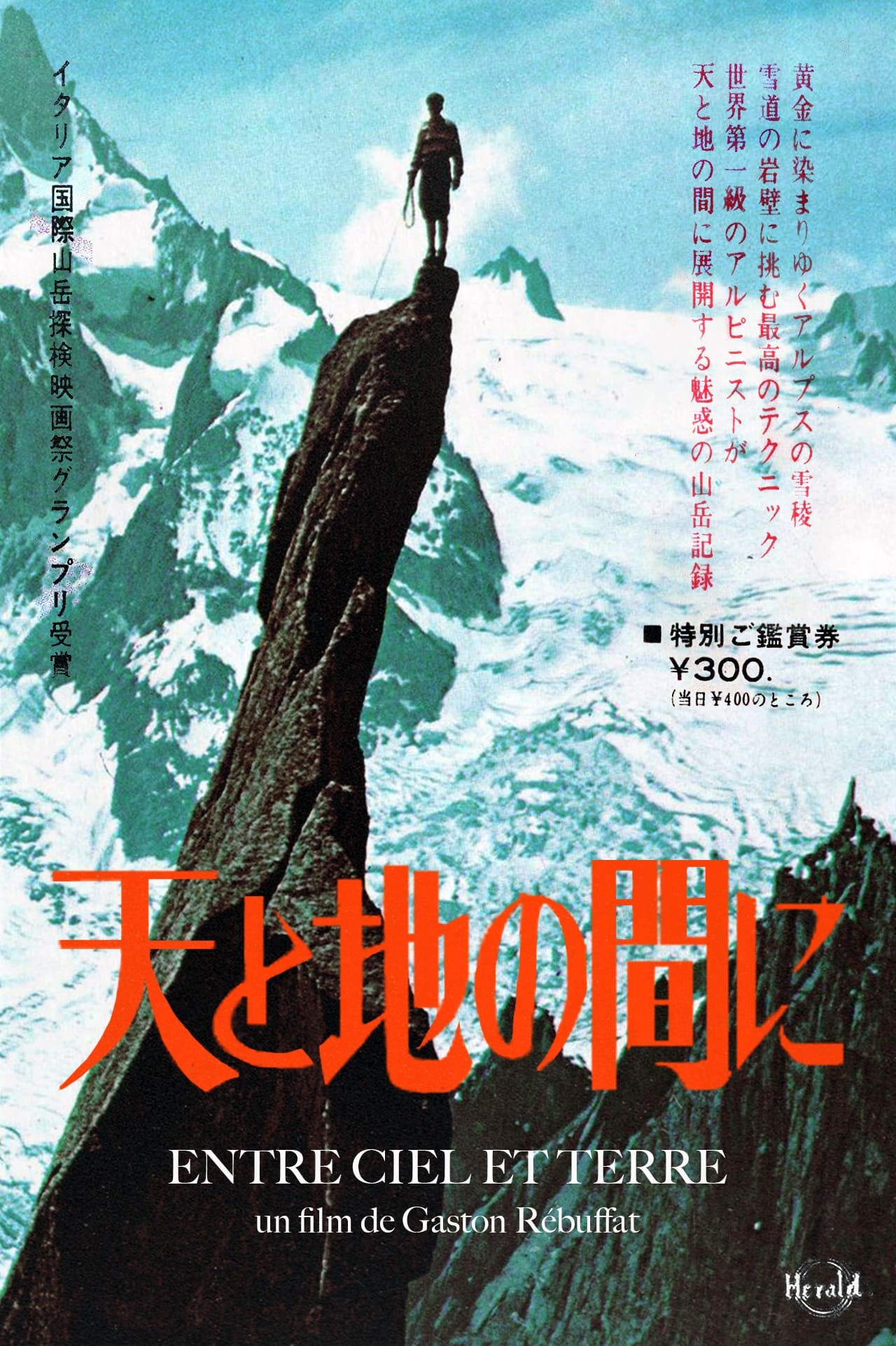
Entre Terre et Ciel
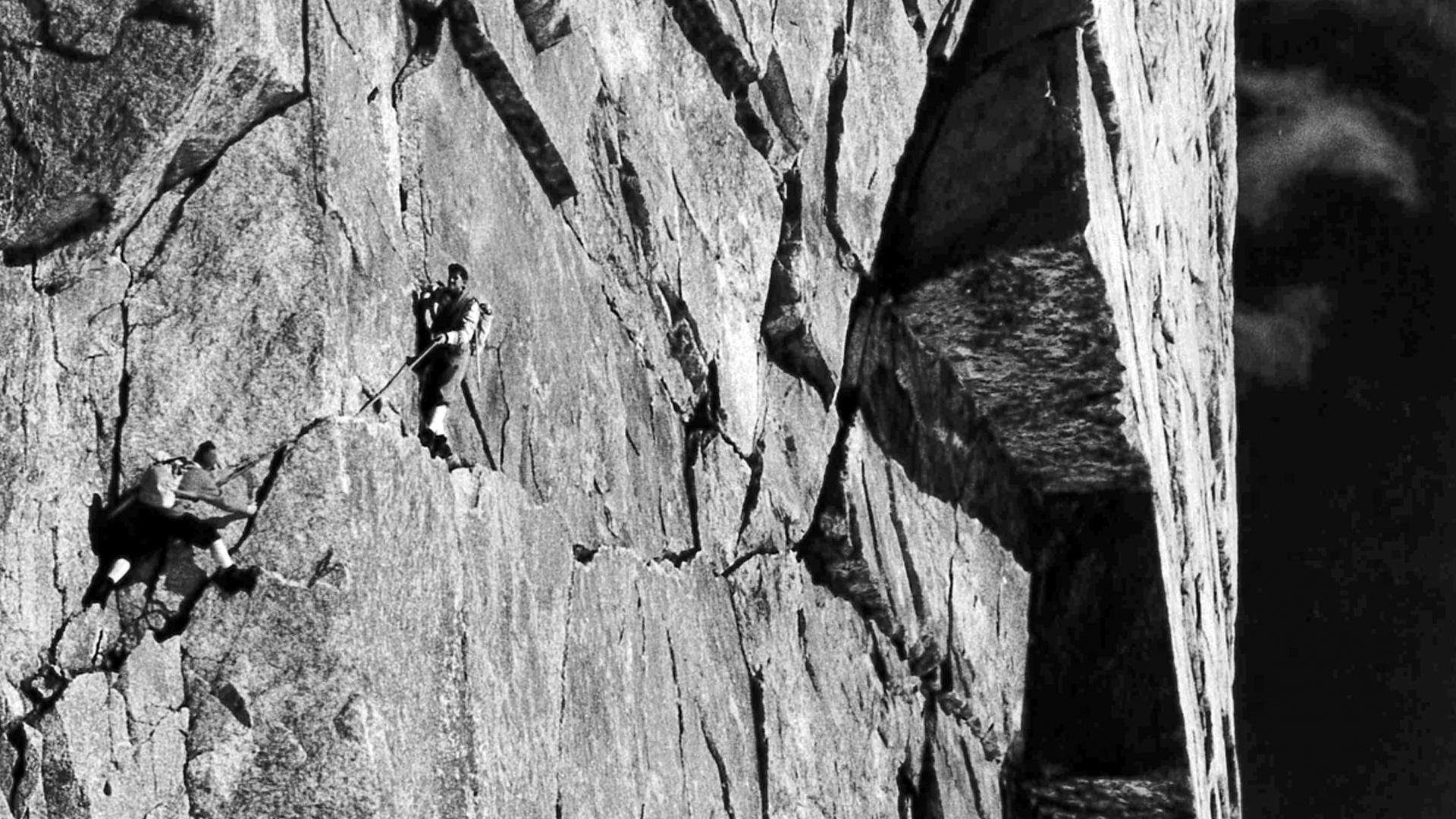
This is Gaston Rebuffat's fourth film, in which, with several close friends, he discovers the sublime landscapes of the Alps. “Mont-Blanc is beautiful. I climbed it several times depending on the time, the color of the sky and the shape of the cornices and ridges. Because of the weather and also because of this feeling of altitude, Mont-Blanc provides great pleasure. For the guide, Mont Blanc is his garden, but the garden becomes more beautiful when shown to a friend. Personally, I really like the bivouacs; only there one penetrates a little the mystery of the altitude. That's why I immediately accepted when Tazieff expressed the desire to spend the night at the top of Mont Blanc in an igloo. The film won the Grand Prix at the Trento Film Festival in 1961.
Insights
Plot Summary
This documentary, filmed by Jacques-Yves Cousteau and his team aboard the Calypso, explores the underwater world of the Red Sea. It showcases the vibrant marine life, coral reefs, and the unique ecosystem found in this region. The film highlights the beauty and fragility of these underwater realms, offering viewers a glimpse into a world rarely seen.
Critical Reception
Critically acclaimed for its stunning underwater cinematography and educational value, 'Entre Terre et Ciel' is considered a classic nature documentary. It was praised for bringing the wonders of the Red Sea to a global audience and for its insightful look into marine biology and conservation.
What Reviewers Say
Praised for its breathtaking underwater visuals.
Lauded for its educational content on marine life.
Celebrated as a significant contribution to underwater filmmaking.
Google audience: Audience reception information is not readily available.
Fun Fact
The film utilized innovative underwater filming techniques developed by Cousteau and his team, pushing the boundaries of documentary filmmaking at the time.
AI-generated overview · Verify ratings on official sources