
Movie spotlight
Les Miserables
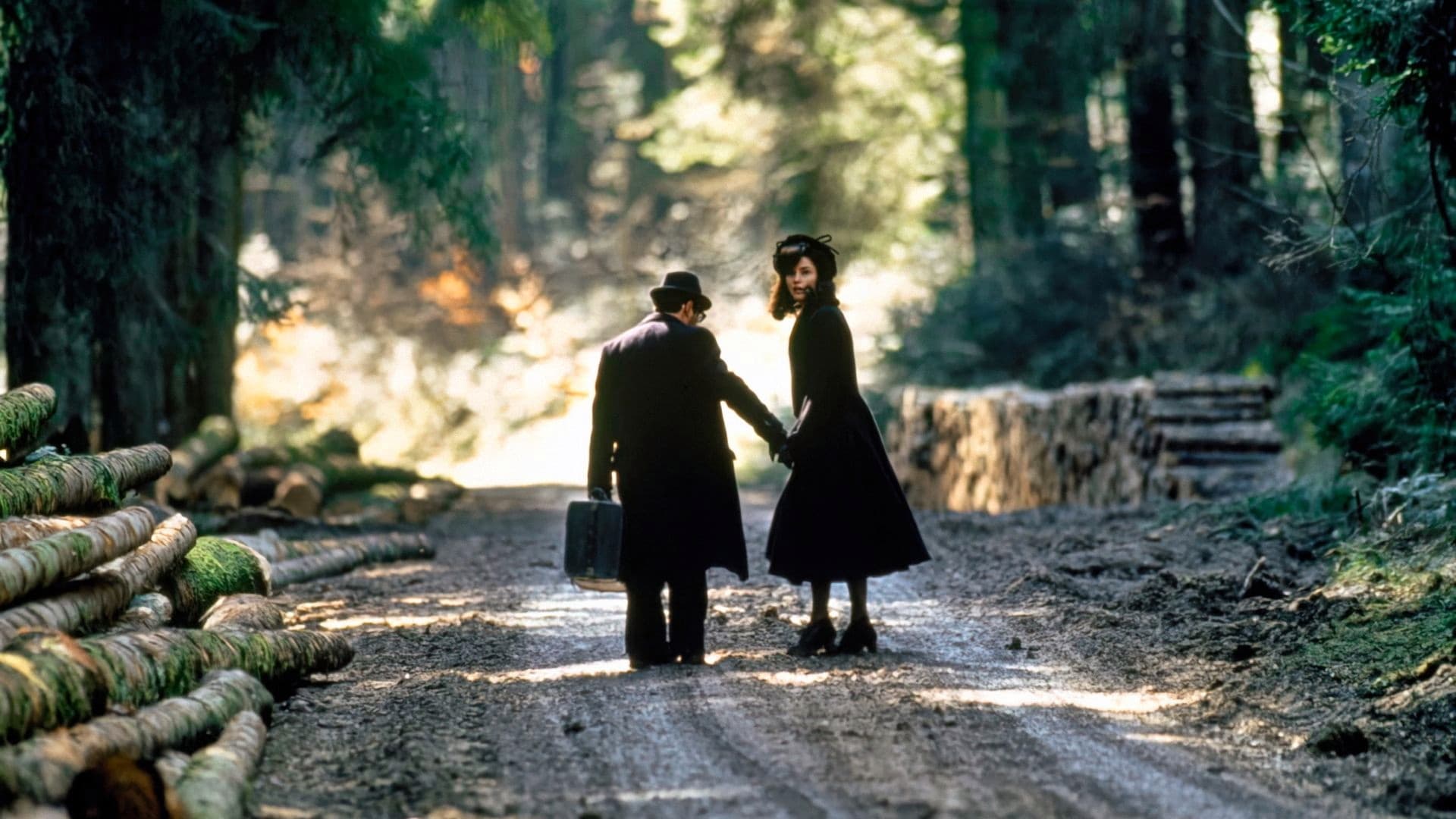
In WWII France, poor and illiterate Henri Fortin is introduced to Victor Hugo's classic novel Les Misérables and begins to see parallels between the book and his own life.
Insights
Plot Summary
This epic French film spans decades, following the life of a charismatic factory owner who experiences love, war, and personal tragedy. Set against the backdrop of major historical events including World War II, the story explores themes of redemption, identity, and the enduring human spirit. It weaves together multiple storylines and timelines to create a rich tapestry of one man's extraordinary journey through life's triumphs and adversities.
Critical Reception
The 1995 adaptation of Les Misérables received a generally favorable reception from critics, who praised its ambition, scope, and the performances of its lead actors, particularly Jean-Paul Belmondo. While some found its sprawling narrative to be occasionally uneven, many appreciated its grand storytelling and emotional depth. Audiences were also drawn to its historical sweep and romantic elements.
What Reviewers Say
Praised for its sweeping historical scope and epic storytelling.
Jean-Paul Belmondo's performance was widely lauded as a career highlight.
Some critics noted the film's lengthy runtime and complex narrative structure.
Google audience: Audience reception information for this specific film is not readily available through general Google user reviews.
Fun Fact
This adaptation of Les Misérables is unique in that it doesn't directly follow Victor Hugo's novel but rather uses the famous characters and themes as a jumping-off point for an original story set in the 20th century, focusing on a man named Henri Fortin.
AI-generated overview · Verify ratings on official sources