Movie spotlight
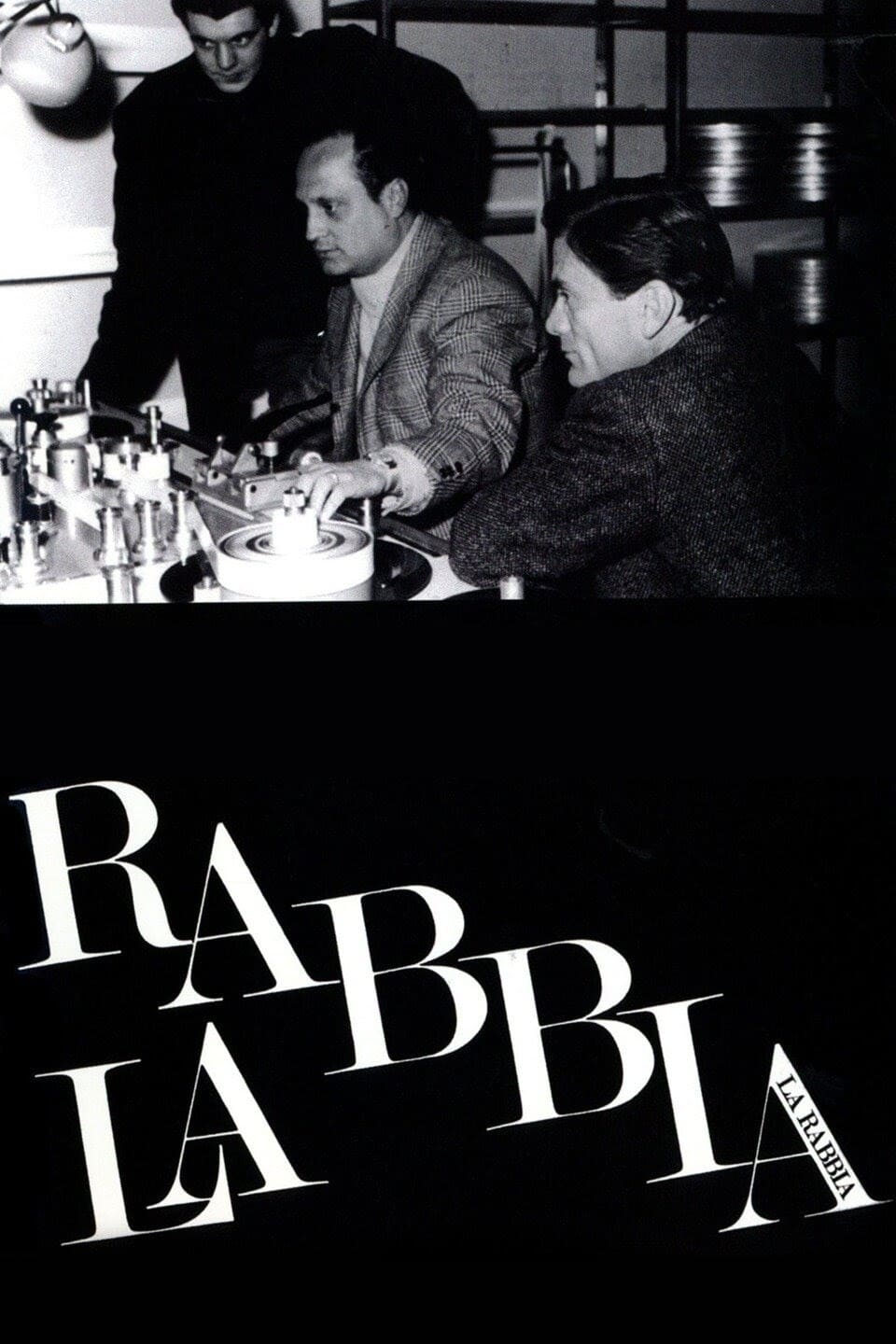
La Rabbia
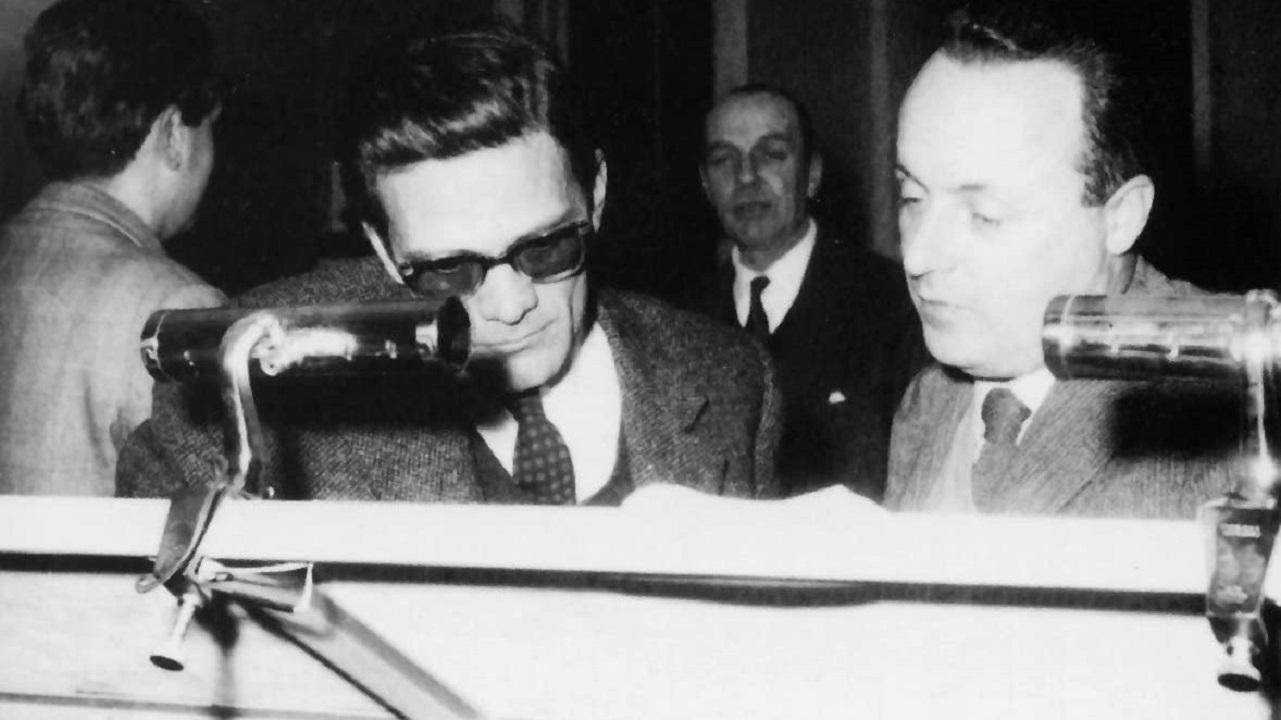
Documentary footage (from the 1950s) and accompanying commentary to attempt to answer the existential question, Why are our lives characterized by discontent, anguish, and fear? The film is in two completely separate parts, and the directors of these respective sections, left-wing Pier Paolo Pasolini and conservative Giovanni Guareschi, offer the viewer contrasting analyses of and prescriptions for modern society. Part I, by Pasolini, is a denunciation of the offenses of Western culture, particularly those against colonized Africa. It is at the same time a chronicle of the liberation and independence of the former African colonies, portraying these peoples as the new protagonists of the world stage, holding up Marxism as their "salvation", and suggesting that their "innocent ferocity" will be the new religion of the era. Guareschi's part, by contrast, constitutes a defense of Western civilization and a word of hope, couched in traditional Christian terms, for man's future.
Insights
Plot Summary
This experimental documentary, divided into two parts directed by Pasolini and Bassani respectively, uses archival footage and newsreels to create a passionate and critical commentary on the socio-political landscape of the early 1960s. Pasolini's section offers a Marxist and existentialist perspective on world events, while Bassani's contribution reflects on the human condition and the memory of World War II.
Critical Reception
La Rabbia is a highly regarded, albeit challenging, film that is praised for its intellectual depth and innovative use of montage. It is considered a significant work in Italian avant-garde cinema, though its complex and often bleak vision has made it less widely accessible than some of Pasolini's more narrative films.
What Reviewers Say
Praised for its intellectual rigor and bold political commentary.
Lauded for its experimental montage and use of found footage.
Noted for its bleak yet passionate examination of contemporary society and historical memory.
Google audience: Audience reception data for "La Rabbia" on Google is not readily available, but it is generally recognized as a significant work within arthouse and experimental film circles.
Fun Fact
The film was originally intended to be a collaborative effort with Giorgio Bassani, but the two directors had such differing visions that the final product is presented as two distinct, albeit related, segments.
AI-generated overview · Verify ratings on official sources