
Movie spotlight
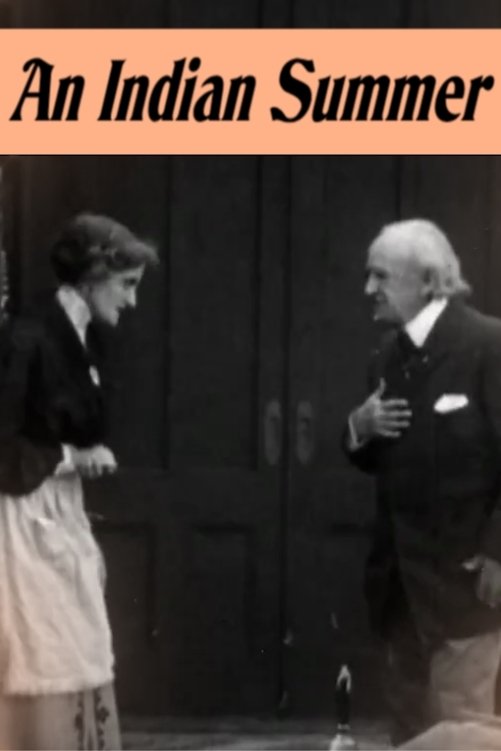
An Indian Summer
A lonely old widower arrives in town and seeks out a pleasant boarding place. The house he selects may be pleasant and homelike, but most of all it is owned by a widow, and managed by her daughter. The widow and the widower are impressed with each other at first sight and a romance is imminent. However, the widower realizes his hair is both white and scant and feels that unless he looks a little younger, his chances with the widow are slim. He writes to a hair tonic manufacturer for aid. While trying to keep the letter hidden from the widow, she becomes suspicious and imagines it is from another woman, so she turns about to make him jealous. Eventually a unique trick of fate smooths out all their misunderstandings.
Insights
Plot Summary
An elderly couple reflects on their past love and shared life during what they perceive to be their 'Indian Summer' - a period of warmth and contentment after the harsher seasons of life. The film captures poignant moments of their enduring affection and the quiet beauty of their twilight years.
Critical Reception
As a silent short film from 1912, "An Indian Summer" was likely intended as a sentimental piece for its contemporary audience. While specific critical reviews from the era are scarce, Alice Guy-Blaché's work is recognized for its innovative storytelling and emotional depth, often exploring themes of love, memory, and the passage of time.
What Reviewers Say
Praised for its gentle exploration of mature love.
Commended for its emotional resonance within a short format.
Recognized as an example of early cinematic pathos.
Google audience: Due to the age of the film and lack of widespread digital availability, specific Google user reviews are not readily available. However, based on general appreciation for Alice Guy-Blaché's oeuvre, audiences likely found it touching and reflective.
Fun Fact
Alice Guy-Blaché, the director of "An Indian Summer," was a pioneer in early filmmaking and is credited with making the first narrative fiction film.
AI-generated overview · Verify ratings on official sources