
Movie spotlight
Love and Anger
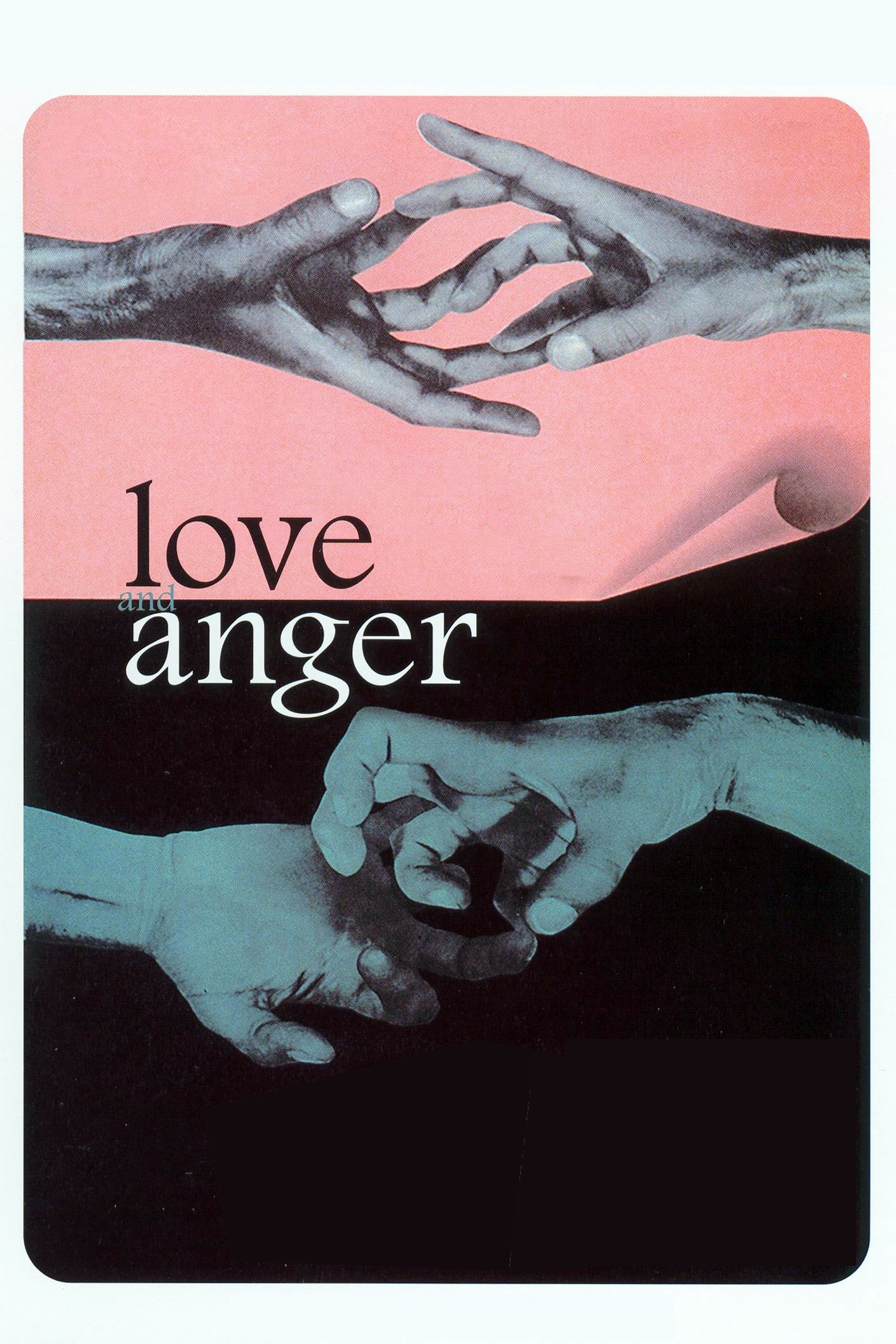
Five short stories with contemporary settings. In New York, people are indifferent to derelicts sleeping on sidewalks, to a woman's assault in front of an apartment building, and to a couple injured in a car crash. A man, stripped of his identity, dies in bed with actors expressing his agony. A cheerful, innocent young man walking a city street in a time of war pays a price for this innocence. A couple talks about cinema while it watches another couple talk of love and truth on the eve of one character's return to Cuba. Striking students take over a university classroom; an argument follows about revolution or incremental change.
Insights
Plot Summary
This experimental film, comprising three distinct parts, explores the complexities of love, politics, and societal structures in late 1960s Europe. The first segment, 'Work in Progress,' features a filmmaker struggling with artistic expression and his relationship. The second part, 'The Children of Marx and Coca-Cola,' delves into student activism and revolutionary ideals. The final section, 'Love and Anger,' examines the challenges of maintaining personal relationships amidst political turmoil and ideological conflict.
Critical Reception
Love and Anger is a challenging and polarizing film, typical of Godard's more radical periods. It's often seen as a significant, albeit difficult, work of political cinema that interrogates the relationship between personal life and broader ideological movements. While its intellectual depth and formal experimentation are appreciated by cinephiles and scholars, its fragmented narrative and confrontational style can alienate general audiences.
What Reviewers Say
Praised for its bold, avant-garde approach to political and romantic themes.
Criticized for its dense, often opaque narrative structure.
Considered a key example of Godard's engagement with Maoist ideas and filmmaking.
Google audience: Information on Google user reviews for this film is not readily available.
Fun Fact
The film was made as a commission for the Venice Film Festival's "Vedo": a six-hour omnibus film that was never completed.
AI-generated overview · Verify ratings on official sources