
Movie spotlight
Evidence
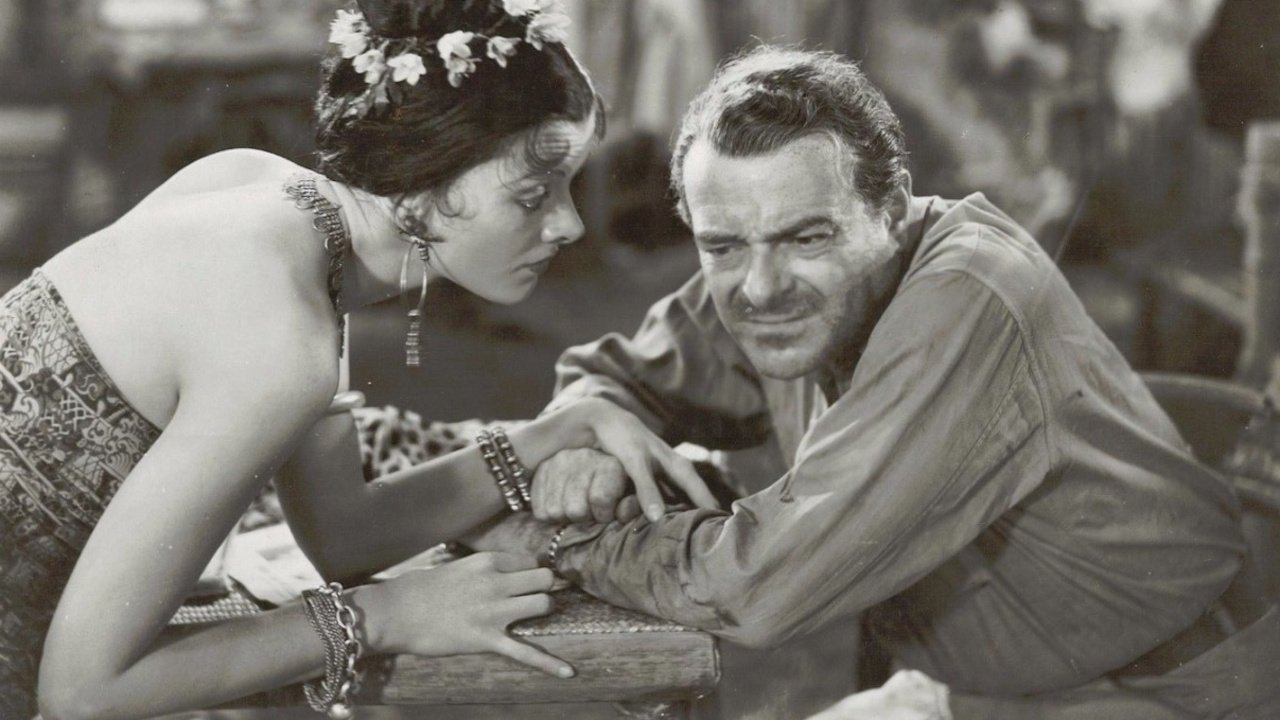
Lord Cyril Wimborne, a barrister, divorces his wife, Myra, and takes custody of their child, Kenyon, when he finds her name linked with the profligate Major Pollock. Myra goes into seclusion while Pollock, intending to conceal Myra's innocence, goes to Burma. A few years later Myra sees Kenyon in the park with Mrs. Debenham, a widow with designs on Wimborne. Noting the resemblance between the lady in the park (whom he calls his "princess") and a photograph of his mother, Kenyon invites Myra to dinner at a time when his father, who has curtailed the visits to the park, plans to be away. At the same time Harold Courtenay, an old family friend, sees an opportunity to reunite the estranged couple.
Insights
Plot Summary
A young woman is framed for murder and must rely on a determined lawyer to uncover the truth. As the investigation unfolds, secrets about a wealthy industrialist and his connections to the victim come to light, complicating the case. The lawyer races against time to find the real killer before his client is convicted.
Critical Reception
As an early sound film, 'Evidence' was generally noted for its technical advancements in audio recording at the time. While its plot was considered somewhat standard for a mystery of the era, the performances, particularly of its lead actors, received moderate praise for their earnestness.
What Reviewers Say
Praised for being an early example of a talking picture.
The mystery plot was considered engaging for its time.
Performances were seen as adequate for the genre.
Google audience: Audience reception for this film is not readily available due to its age.
Fun Fact
This film is notable for being an early talkie, released during the transition period from silent films to sound cinema.
AI-generated overview · Verify ratings on official sources