
Movie spotlight
Ägypten: Sehnsucht nach Unsterblichkeit
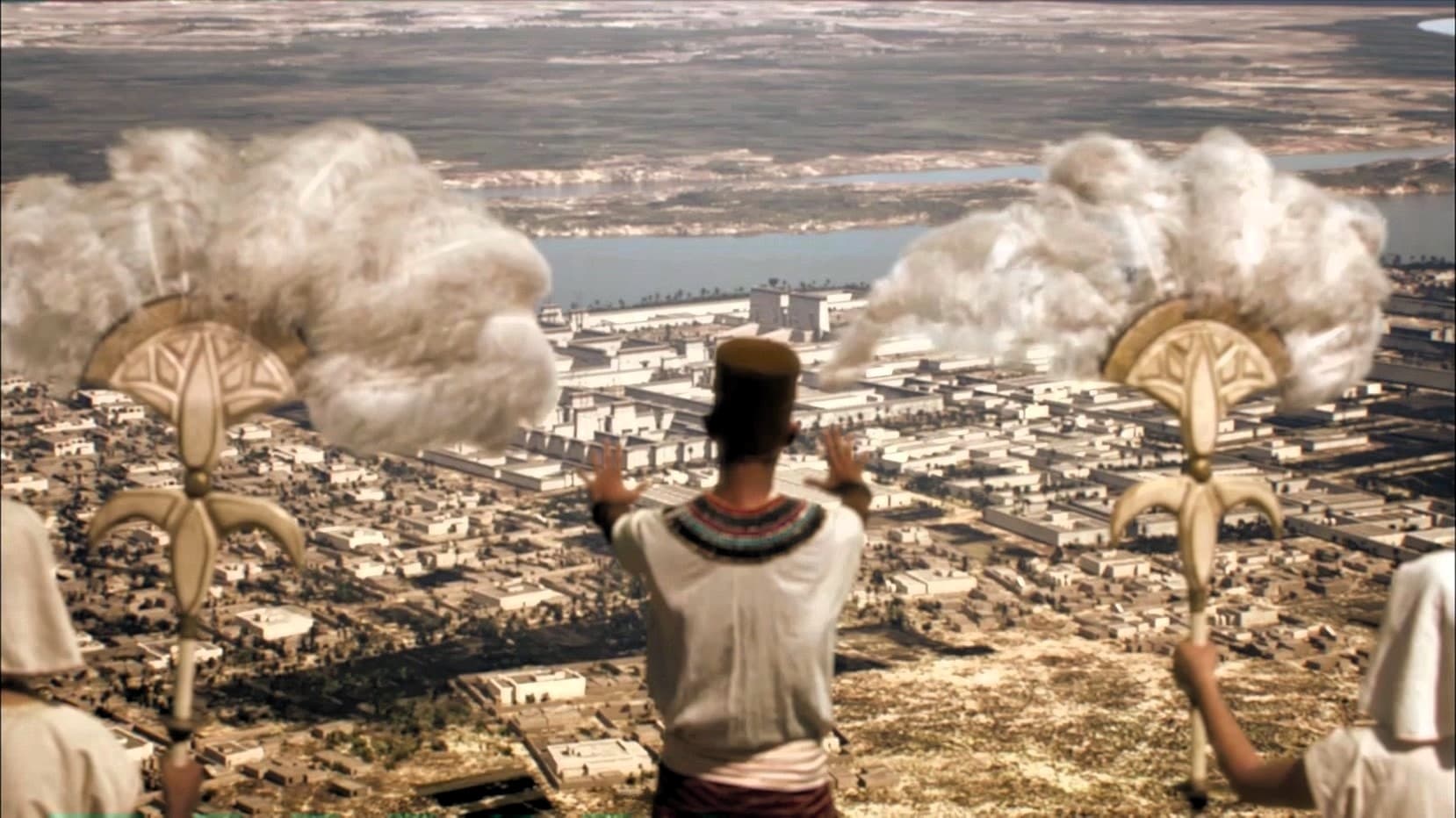
Around 3,000 BC, the first territorial state in history was created with the unification of Upper and Lower Egypt. The empire on the Nile was to exist for 3,000 years. The current section focuses on religion, temple economy and the cult of the dead and examines the reigns of Akhenaten and Ramses II. The culture of Ancient Egypt is characterized by religion, temple economy and the cult of the dead. Two pharaohs play an important role in this context: Akhenaten and Ramses II. When Akhenaten ascended the throne around 1,350 BC, religious customs in Egypt had hardly changed for almost 2,000 years. The influential priesthood was organized hierarchically and the rituals were set out in fixed rituals. The temples are not only the spiritual but also the economic centers of the country.
Insights
Plot Summary
This documentary explores the ancient Egyptians' profound desire for immortality and the elaborate measures they took to achieve it. It delves into their beliefs surrounding the afterlife, their complex burial rituals, and the construction of monumental tombs and pyramids designed to preserve the body and spirit for eternity. The film examines the societal and religious motivations behind these practices and their enduring legacy.
Critical Reception
As a documentary focused on historical and cultural aspects, "Ägypten: Sehnsucht nach Unsterblichkeit" has been received as an informative and visually engaging exploration of ancient Egyptian beliefs about death and the afterlife. Critics generally praise its depth in explaining complex funerary practices and the enduring human quest for eternal life.
What Reviewers Say
Provides a detailed look into ancient Egyptian beliefs about the afterlife.
Visually compelling with informative content on funerary practices.
Explores the universal human desire for immortality through the lens of Egyptian civilization.
Google audience: Information regarding specific Google user reviews for this documentary is not readily available, but documentaries of this nature typically appeal to audiences interested in history, archaeology, and ancient cultures, who often appreciate educational and visually rich content.
Fun Fact
The ancient Egyptians believed that the heart, not the brain, was the seat of intelligence and emotion, and it was therefore left in the body during mummification, while the brain was often discarded.
AI-generated overview · Verify ratings on official sources