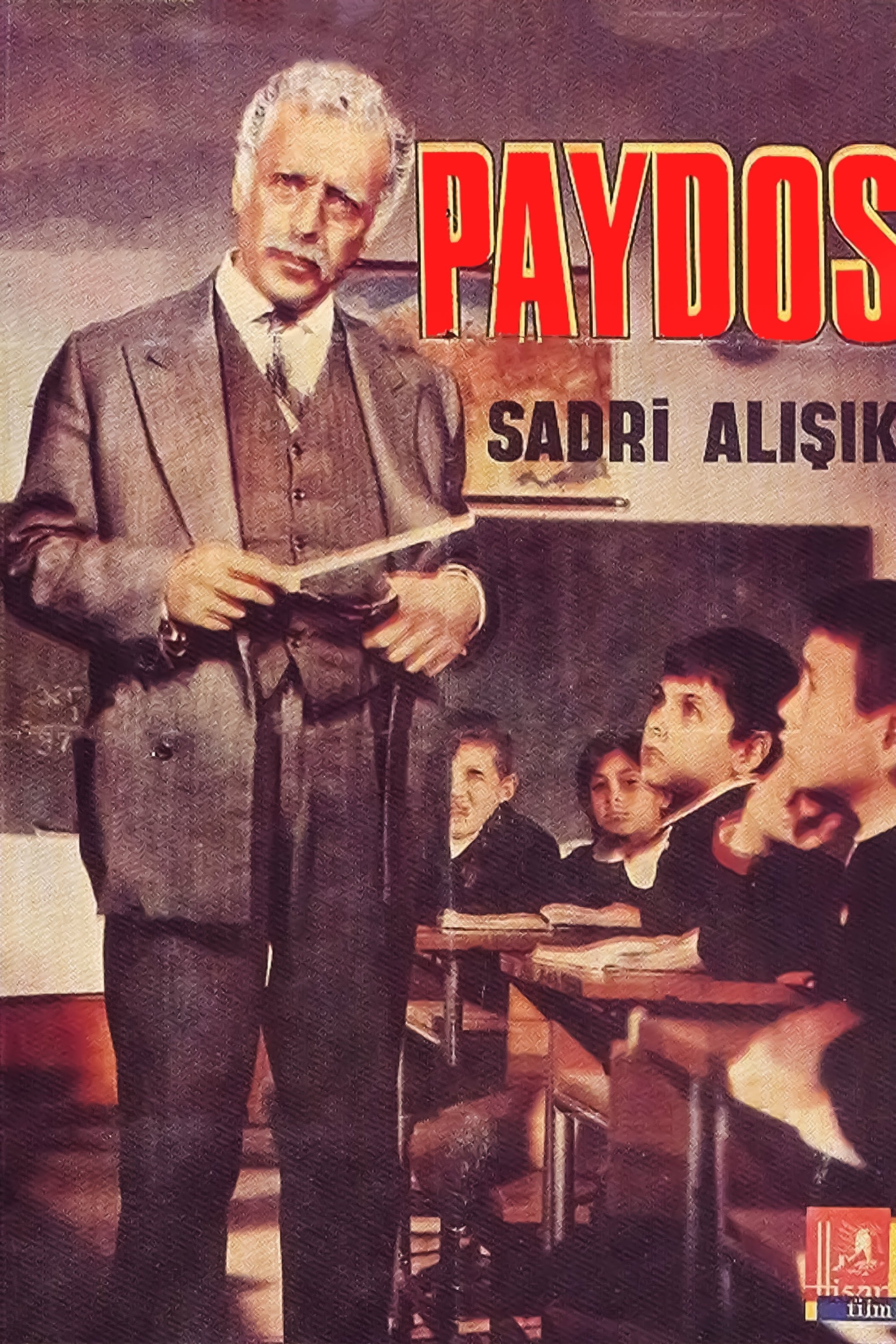

Paydos
Murtaza, a teacher, lives with his wife Hatice and son Rıdvan. The money he earns is not enough to support his family. Therefore, his wife Hatice wants Murtaza to find another job. However, she cannot convince Murtaza, who loves his profession very much. At the same time, Hatice tries to marry her son to the daughter of the wealthy Hacı Hüsamettin. Hacı Hüsamettin also plans to acquire the land where the mansion that Murtaza inherited is located. Hacı Hüsamettin and Hatice will try to convince Murtaza to give up teaching.
Insights
Plot Summary
This drama follows the intertwined lives of several characters in a small Turkish town. The narrative explores themes of love, betrayal, and societal pressures as they navigate their personal struggles and relationships. The story often centers on the complexities of human desire and the consequences of choices made in difficult circumstances.
Critical Reception
While specific critical reviews from 1968 are scarce in English-language sources, 'Paydos' is generally regarded as a significant film within Turkish cinema history, often noted for its exploration of social dynamics and its artistic direction.
What Reviewers Say
- Praised for its realistic portrayal of Turkish village life and social issues.
- Recognized for Atıf Yılmaz's masterful direction and atmospheric storytelling.
- Often cited for its strong performances, particularly from the lead actors.
Google audience: Information on Google user reviews specifically for this 1968 Turkish film is not readily available.
Fun Fact
Atıf Yılmaz was a prolific and highly influential director in Turkish cinema, known for his versatile range and for tackling both social dramas and comedies throughout his career.
AI-generated overview · Verify ratings on official sources