
Movie spotlight
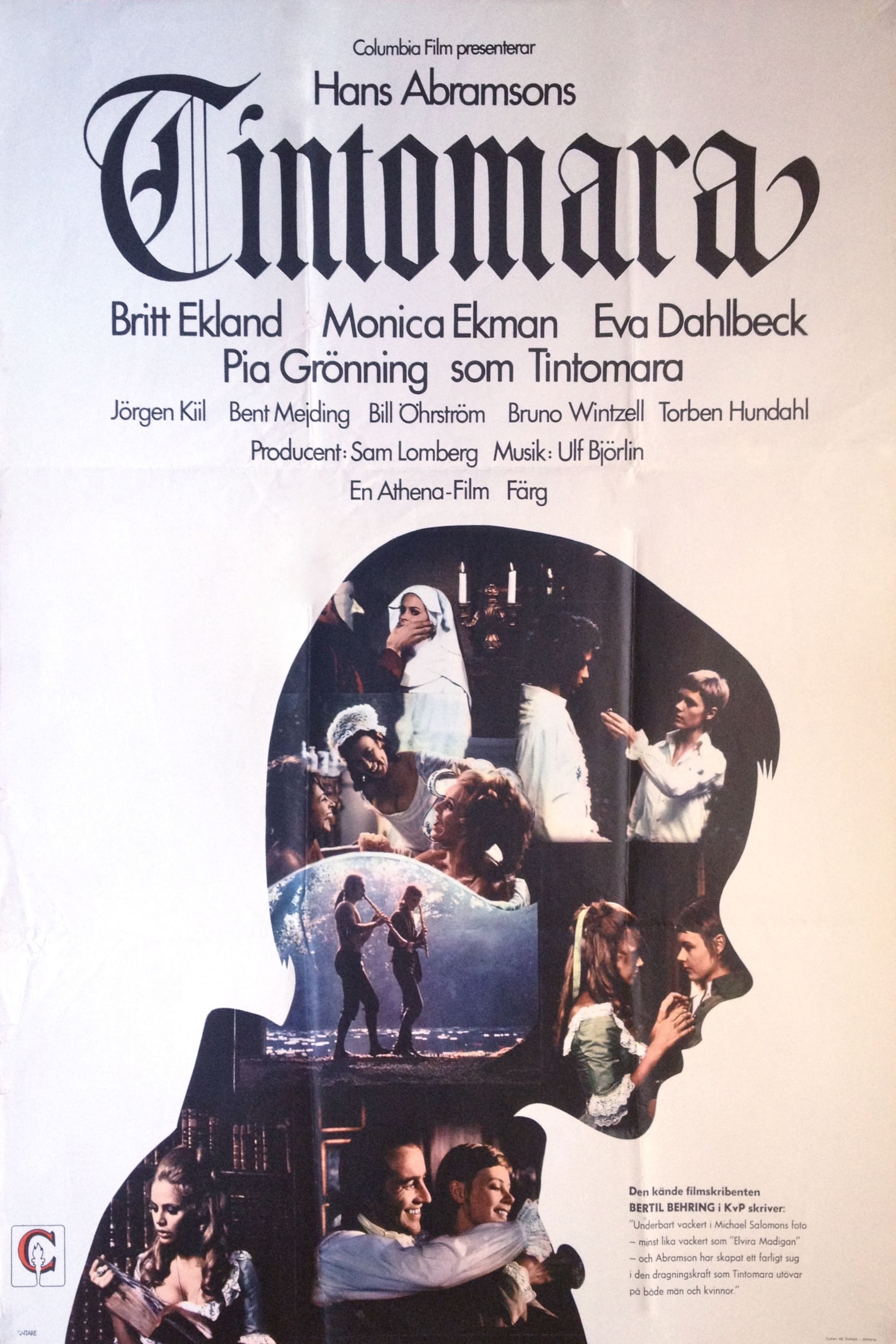
Tintomara
In March 1792 the Swedish King Gustav III is murdered at a masked ball. Five young people are involved in the murder story, including Tintomara, a 17 year old inter-sex who dominates over the others.
Insights
Plot Summary
In 19th-century Sweden, a young woman named Tintomara is raised as a boy, complicating her romantic life and societal standing. As she navigates societal expectations and her own identity, she becomes entangled in a web of intrigue and forbidden love.
Critical Reception
Tintomara received a mixed reception upon its release, with some critics praising its unique story and performances, while others found its pacing and narrative somewhat disjointed. It is often remembered as an ambitious adaptation of a classic Swedish novel.
What Reviewers Say
Praised for its unconventional approach to gender and identity.
Noted for its period setting and atmospheric portrayal of 19th-century Sweden.
Some found the plot occasionally difficult to follow, impacting overall engagement.
Google audience: Audience reception for Tintomara is difficult to ascertain due to limited available data. However, discussions often highlight its unique premise and historical context as points of interest.
Fun Fact
The film is an adaptation of a novel by the same name written by the Swedish author Carl Jonas Love Almqvist, first published in 1843.
AI-generated overview · Verify ratings on official sources