
Movie spotlight
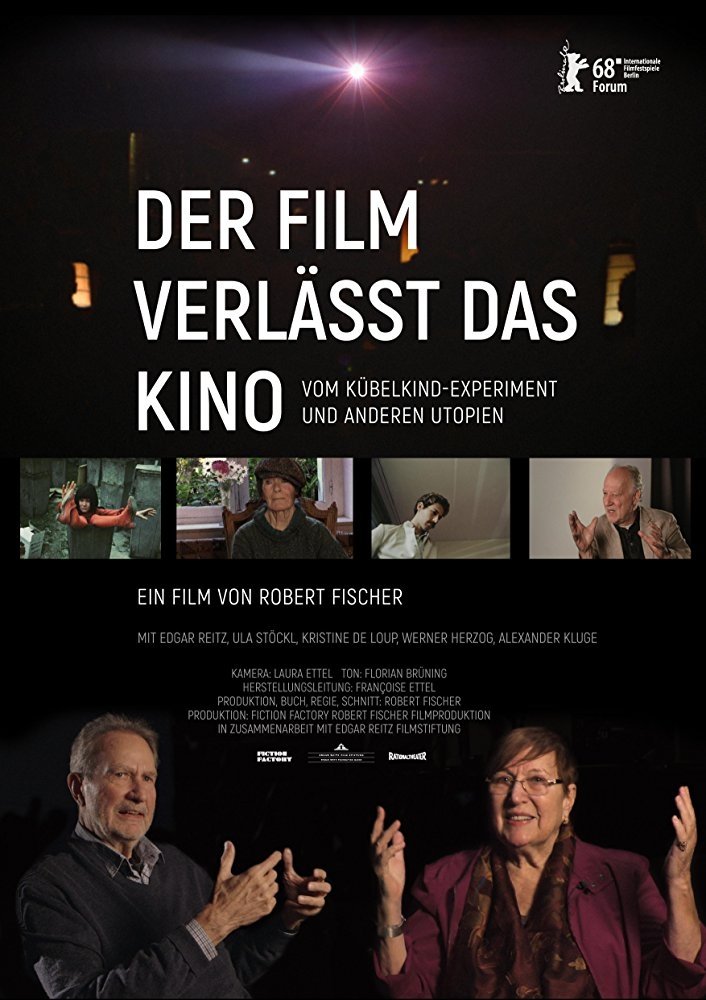
Film Beyond Cinema: The Dumpster Kid Experiment and Other Utopias
For over half a century, the filmmaker Edgar Reitz, one of the signatories of the Oberhausen Manifesto and a pioneer of epic film narration, has explored, as a practitioner and theoretician, the rules and limits of cinema, which he always seeks to break and extend in new ways. One example of his tireless search and research are the Geschichten vom Kübelkind, which he co-directed with Ula Stöckl in 1969/70, 22 absurdly funny, subversive and anarchistic short films of different lengths, which consciously oppose all conventions, with incredible success. The films remain unrivalled in their Dadaistic inventiveness.
Insights
Plot Summary
This experimental documentary explores unconventional filmmaking and utopian ideals through a series of vignettes, centering on the titular "Dumpster Kid Experiment." It questions the boundaries of cinematic expression and societal norms, presenting a fragmented yet thought-provoking narrative.
Critical Reception
Information regarding the critical reception of "Film Beyond Cinema: The Dumpster Kid Experiment and Other Utopias" is extremely limited, likely due to its niche and experimental nature. As an independent and avant-garde film, it may not have received widespread distribution or traditional critical reviews.
What Reviewers Say
Often described as challenging and unconventional.
Praised by some for its artistic ambition and unique approach.
Criticized by others for its lack of conventional narrative structure and accessibility.
Google audience: Audience reception is largely undocumented. Due to its experimental nature, it likely appeals to a very specific demographic interested in avant-garde cinema.
Fun Fact
The "Dumpster Kid Experiment" in the film's title refers to an actual artistic project or concept explored within the documentary, aiming to provoke thought about societal perceptions and creative freedom.
AI-generated overview · Verify ratings on official sources