
Movie spotlight
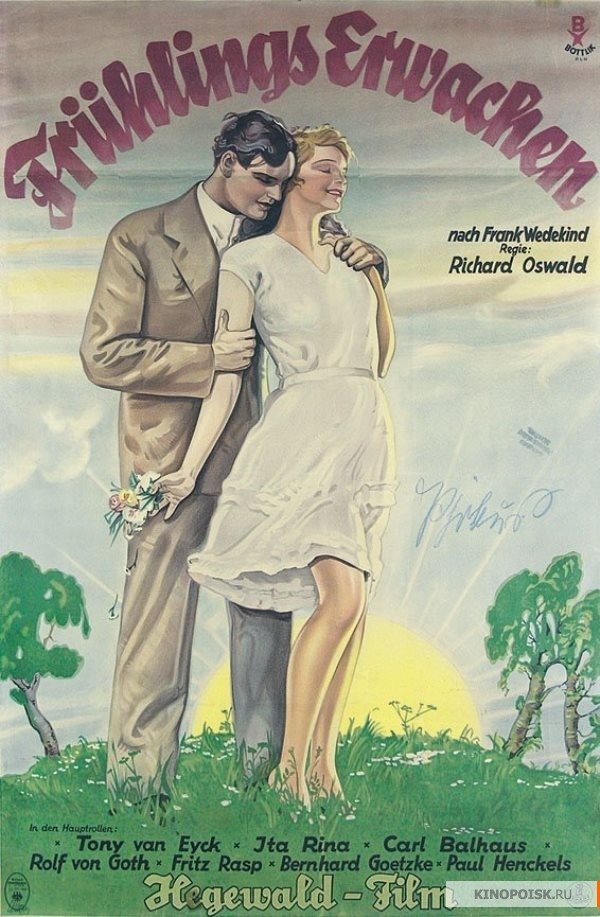
Spring Awakening
Moritz Stiefel faces expulsion due to poor marks. When he is caught with an essay titled “Shame and Lust”, he is indeed kicked out – instead of classmate Melchior Gabor, who actually penned it. Gabor was drawing on his experiences with neighbourhood girl Wendla. Then Wendla turns up pregnant. Stiefel descends into despair ... Exploitation between Eros and Thanatos in this “sexual tragedy of youth” based on Frank Wedekind’s play. Setting the film in the 1920s provided a chance to explore “modern” youth culture, complete with cigarettes, jazz music, the gramophone, and a goodly bit of alcohol. Richard Oswald, a master of films of manners and young sex beginning in the 1910s, fully explores the temptations of the youthful body, even early childhood flirtatiousness. At the same time, with his target audience in mind, the film laments the bigotry and double standards of the adult world.
Insights
Plot Summary
A group of young students at a strict German boarding school struggle with their burgeoning sexuality and the harsh, unforgiving adult world. As they grapple with repression, forbidden desires, and the consequences of their actions, their lives become entangled in a web of misunderstanding and tragedy. The film explores the devastating impact of societal constraints on adolescent development and the yearning for freedom and understanding.
Critical Reception
While a silent film, "Spring Awakening" (1929) was noted for its sensitive portrayal of adolescent struggles, especially for its time. It received critical attention for its direction and thematic depth, though its impact was somewhat overshadowed by the advent of sound films.
What Reviewers Say
Praised for its bold exploration of adolescent themes in a repressive era.
Commended for Victor Sjöström's sensitive and artful direction.
Considered a significant, albeit challenging, film for its time.
Google audience: Audience reception information for this early silent film is not readily available. However, its thematic relevance and artistic merit suggest it was likely appreciated by those seeking more mature and introspective cinema.
Awards & Accolades
None notable for this specific 1929 adaptation.
Fun Fact
Despite being a Swedish production directed by the renowned Victor Sjöström, the film is set in Germany and deals with themes inspired by Frank Wedekind's controversial play of the same name, which had faced censorship issues.
AI-generated overview · Verify ratings on official sources