
Movie spotlight
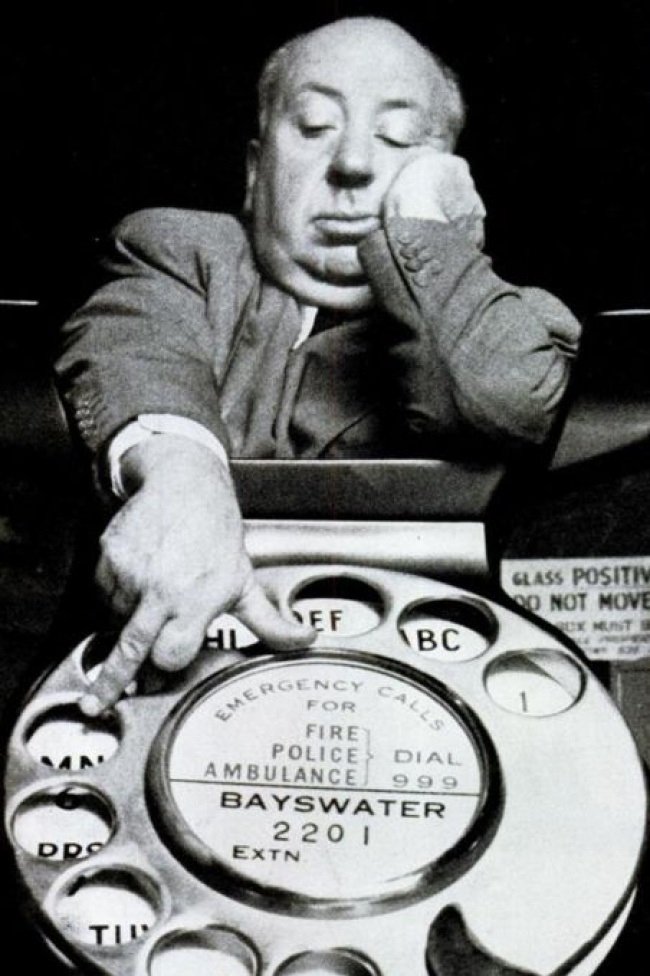
Hitchcock and Dial M
A retrospective look at the brilliance of Alfred Hitchcock's 'Dial M for Murder.'
Insights
Plot Summary
A retired tennis player, Tony Wendice, plots to murder his wealthy wife, Margot, who is having an affair, to inherit her fortune. He plans to stage her death as a burglary gone wrong, meticulously arranging every detail, including blackmailing an acquaintance to carry out the act. However, Margot manages to thwart the initial attempt, leading to a tense game of cat and mouse as Tony tries to ensure his plan succeeds despite unforeseen circumstances and a detective's growing suspicion.
Critical Reception
Dial M for Murder is widely regarded as a masterclass in suspense and intricate plotting, characteristic of Alfred Hitchcock's directorial prowess. The film is praised for its tight screenplay, claustrophobic atmosphere (initially filmed in 3D), and strong performances, particularly from Grace Kelly and Ray Milland. While not as overtly thrilling as some of Hitchcock's other works, its psychological tension and clever misdirection have cemented its status as a classic of the genre.
What Reviewers Say
A suspenseful and cleverly constructed thriller showcasing Hitchcock's mastery.
Grace Kelly delivers a standout performance as the trapped wife.
The film's meticulous plotting and psychological tension are highly effective.
Google audience: Audience reviews frequently highlight the film's clever plot and the suspenseful atmosphere created by Hitchcock. Viewers often praise the performances, especially Grace Kelly's portrayal of a woman in peril, and the satisfying resolution. Some found the pacing deliberate but ultimately rewarding.
Fun Fact
Alfred Hitchcock initially intended "Dial M for Murder" to be released in 3D, and the film was shot with that in mind, using techniques that emphasized depth and dramatic effect, though it was ultimately released in standard 2D in most territories.
AI-generated overview · Verify ratings on official sources