Movie spotlight
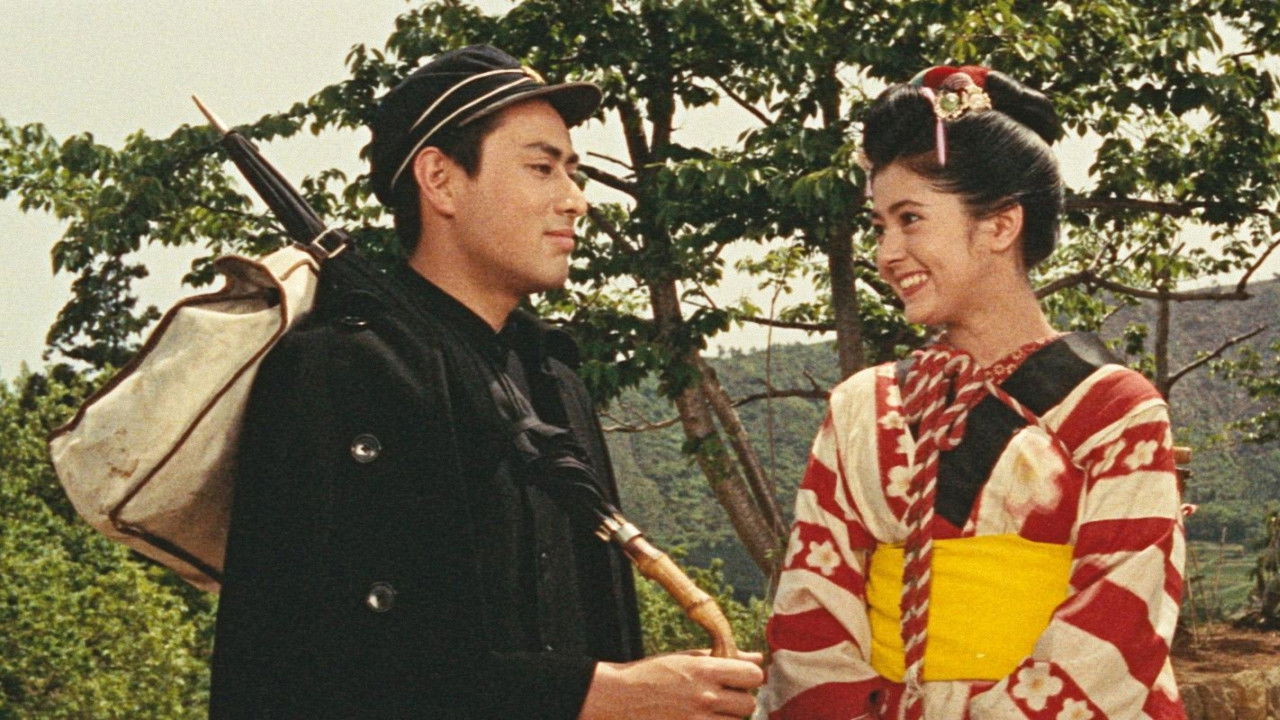
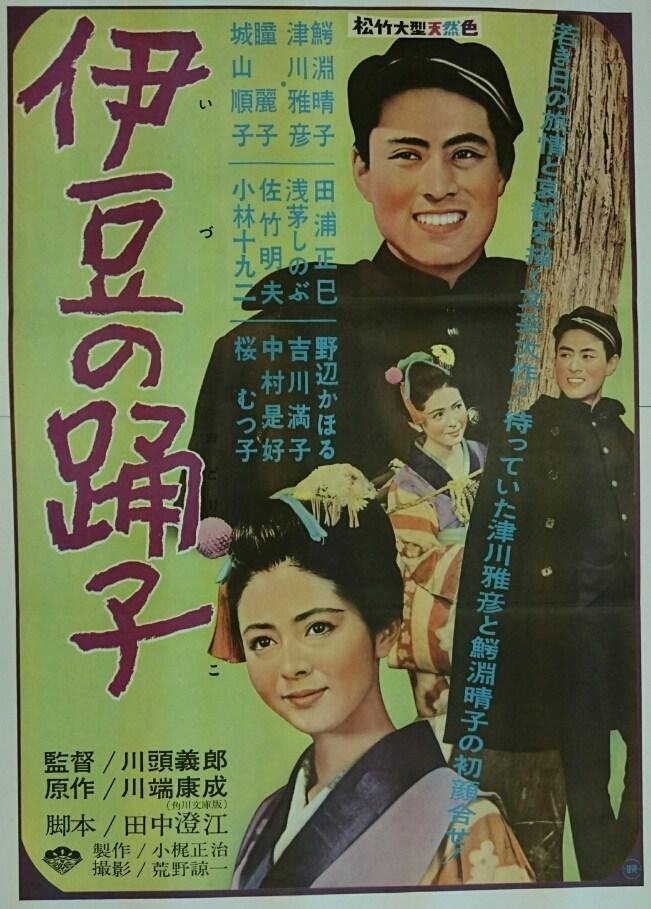
The Izu Dancer
Love story between a student and girl whose parents are itinerant entertainers. Set in Japan in the 1920's.
Insights
Plot Summary
A young, sensitive student on a journey through the Izu Peninsula encounters a troupe of traveling performers. He becomes infatuated with one of the performers, a beautiful and melancholic dancer named Kumiko. Despite their differing social standings and the transient nature of their meeting, a profound emotional connection develops between them. The film explores themes of youthful love, societal constraints, and the fleeting beauty of human connection.
Critical Reception
The Izu Dancer was a critically acclaimed film, lauded for its lyrical direction, evocative cinematography, and poignant performances, particularly from Yoko Minamida. It was recognized for its sensitive portrayal of burgeoning romance and its exploration of social class divides in post-war Japan. The film was a significant success both domestically and internationally, cementing its status as a classic of Japanese cinema.
What Reviewers Say
Praised for its artistic direction and beautiful visual style.
Yoko Minamida's performance as the titular dancer was widely celebrated.
The film's exploration of innocent love and societal barriers resonated with audiences and critics.
Google audience: Audience reception information is not readily available through Google reviews for this specific title.
Awards & Accolades
Nominated for the Palme d'Or at the 1960 Cannes Film Festival.
Fun Fact
The film is based on the autobiographical novel 'The Izu Dancer' by Nobel Prize-winning author Yasunari Kawabata, though the film takes significant creative liberties with the story and its ending.
AI-generated overview · Verify ratings on official sources