Movie spotlight
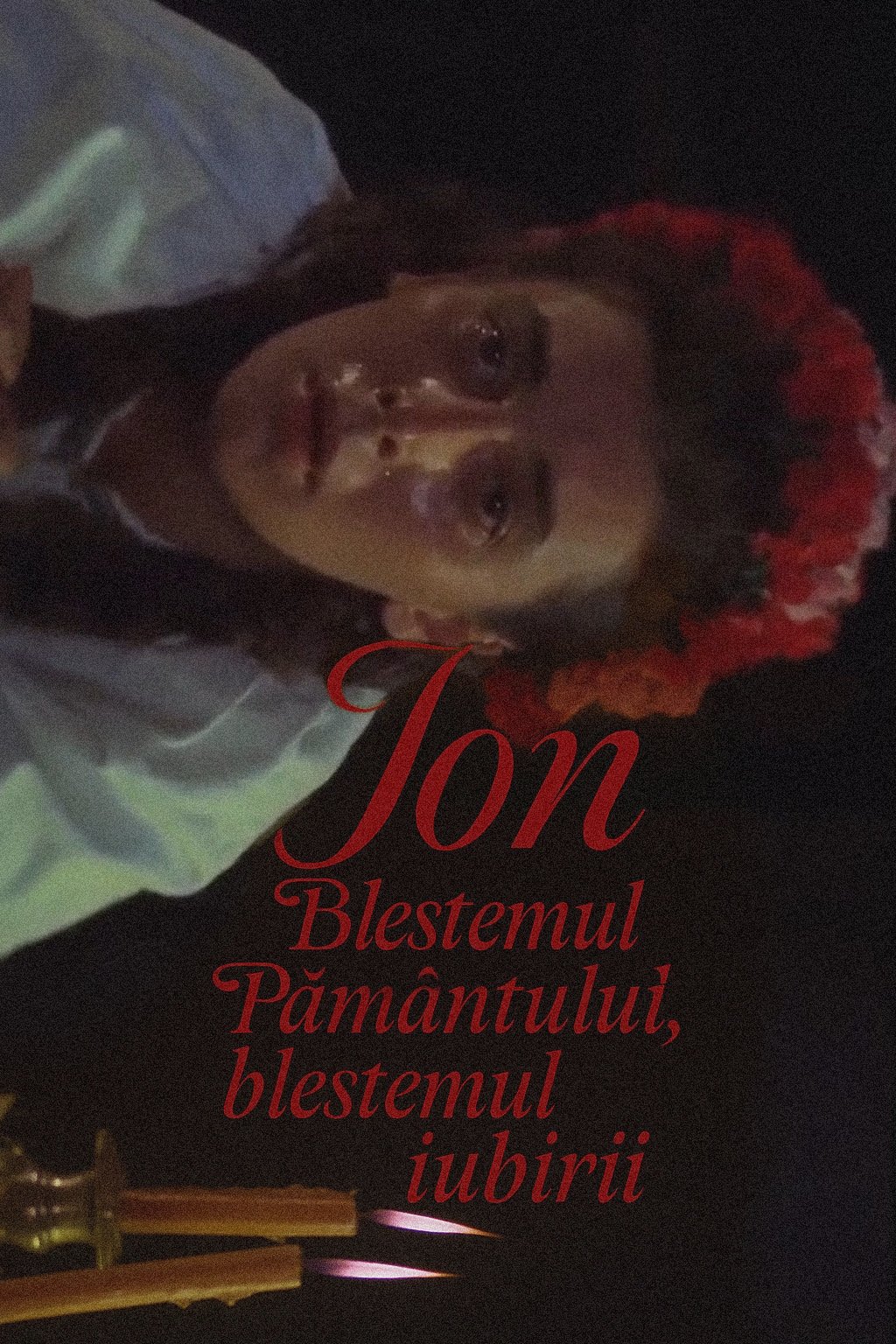
Ion: The Lust for the Land, the Lust for Love
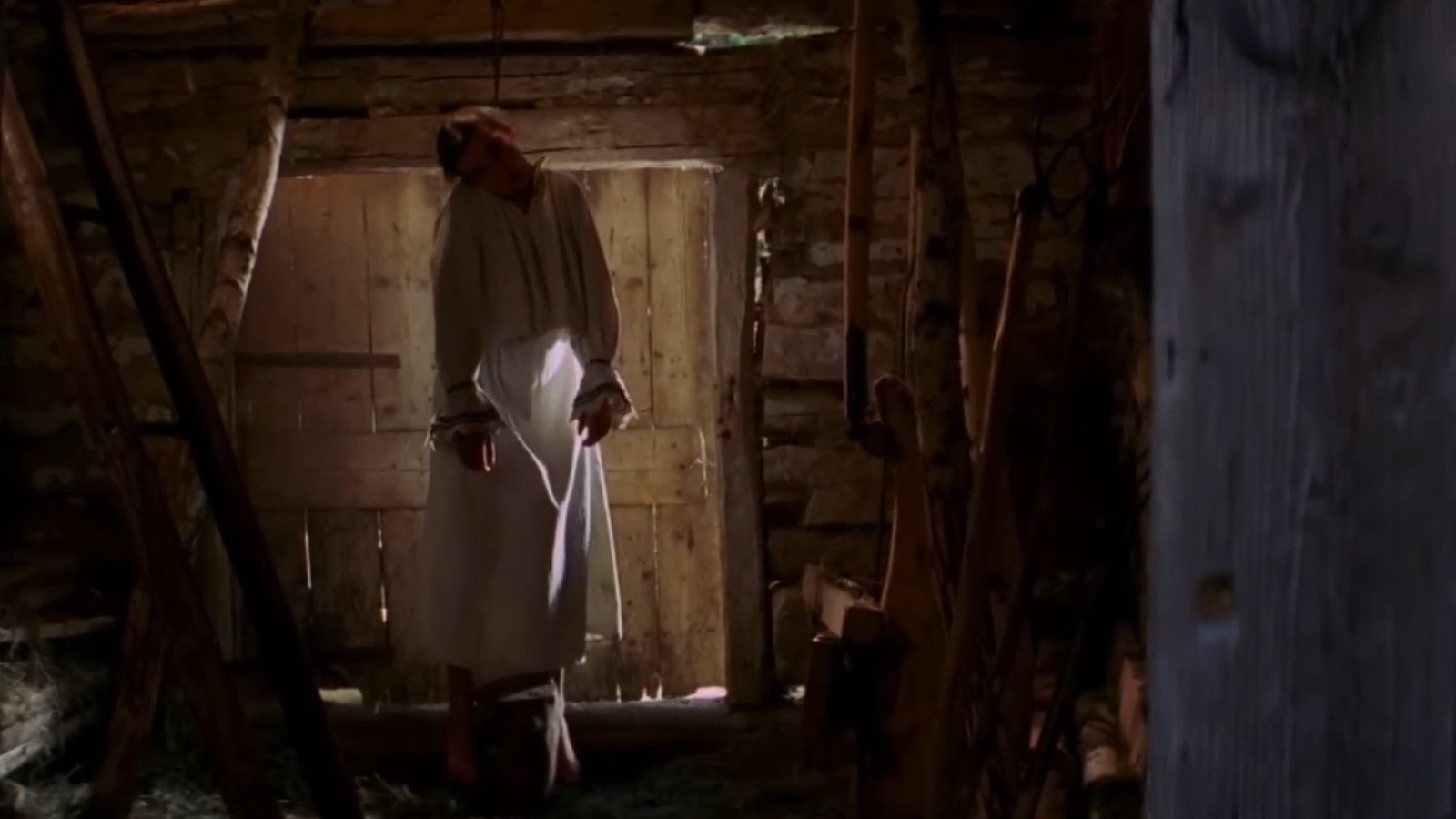
Jon, a young peasant love more "the land" than his engaged girlhood, Florica.Just when Ion thinks he has become master of his own land, he realizes that he has betrayed his heart, and that he is still in love with Florica, not with his wife. It is the curse of love that will be Ion's undoing. Badly mistreated, Ana, his wife, is driven to despair and she hangs herself. Ion, now free and wealthy, believes that the time has come for him to have Florica. Florica's husband, George waylays Ion and savagely murders him with a hoe.
Insights
Plot Summary
Set in the Romanian village of Câmpulung during the late 19th century, the film follows Ion, a peasant torn between his love for his land and his desire for the affections of Ana, the daughter of a wealthy landowner. Ion's struggle to overcome social barriers and his own passions leads to a tragic entanglement of love, ambition, and the harsh realities of rural life. The story explores themes of social inequality, the enduring connection to the earth, and the destructive power of unchecked desire.
Critical Reception
Critically, 'Ion: The Lust for the Land, the Lust for Love' is recognized as a significant adaptation of Liviu Rebreanu's novel, praised for its authentic portrayal of rural Romanian life and its exploration of complex human emotions. While it may not have garnered widespread international distribution, it holds a respected place in Romanian cinema for its artistic merit and historical context.
What Reviewers Say
Praised for its faithful adaptation of a literary classic.
Appreciated for its strong performances, particularly in capturing the emotional turmoil of the protagonist.
Noted for its realistic depiction of historical Romanian village life and social struggles.
Google audience: Information regarding Google user reviews for this film is not readily available.
Fun Fact
The film is an adaptation of Liviu Rebreanu's influential novel 'Ion', considered one of the most important works in Romanian literature, which had previously been adapted into a less successful film in 1934.
AI-generated overview · Verify ratings on official sources