
Movie spotlight
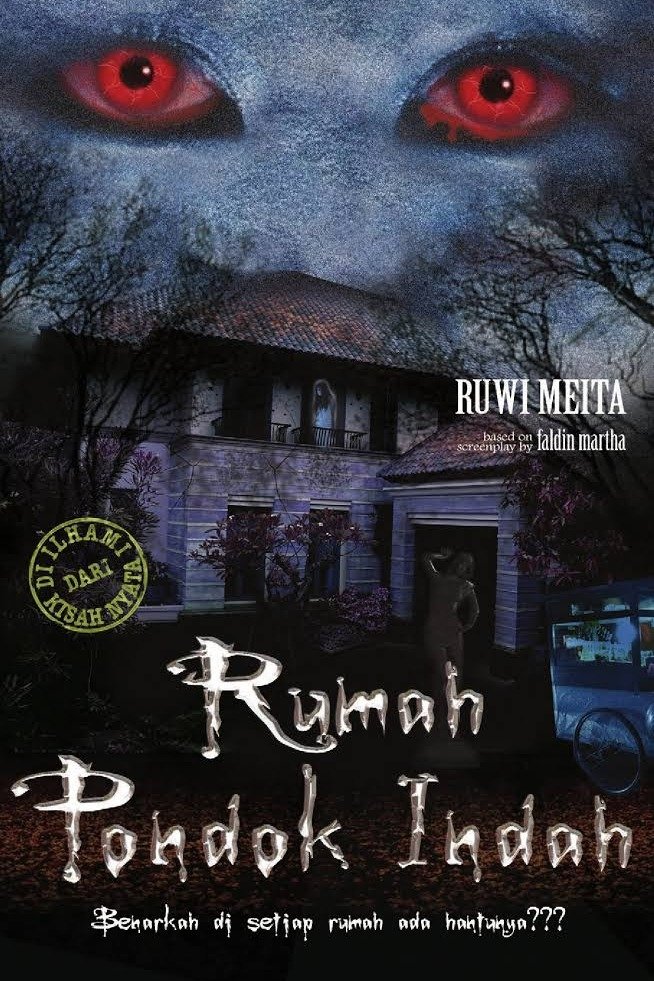
Rumah Pondok Indah
Tio is a very well-known sculptor who has customers from every country who always flock to his galleries. The statues he made are always very realistic and he is always all out in every sculpture he makes, even to go as far as ignoring his girlfriend, Maya. One day, Maya was promised that they will have a big engagement announcement on television, however it never happened, and Maya was only made to be the base of his newest sculpture. Maya, who heard about it, got mad at Tio. Tio cannot take it anymore, and in the end, killed Maya, even after knowing that she is pregnant with their child. Tio decided to make a sculpture from her body so people would not know the truth.
Insights
Plot Summary
A family moves into a new house in Pondok Indah, unaware of its dark history and the sinister presence lurking within. Strange occurrences and terrifying events begin to plague the household, hinting at a malevolent entity tied to the house's past. The family must uncover the truth behind the disturbances before they become its next victims.
Critical Reception
Rumah Pondok Indah is considered a notable Indonesian horror film from the mid-2000s, known for its atmospheric tension and jump scares. While it was popular with local audiences for its genre elements, critical reception was mixed, with praise for its attempt at creating a suspenseful narrative but criticism often directed at its predictable plot points and reliance on common horror tropes.
What Reviewers Say
Praised for its unsettling atmosphere and effective scares.
Criticized for employing familiar horror clichés.
Appreciated for its contribution to Indonesian horror cinema.
Google audience: Information on specific Google user reviews for this film is not readily available.
Fun Fact
The film's setting in the affluent Pondok Indah area of Jakarta adds a layer of unsettling contrast between a seemingly normal, upscale environment and the supernatural horrors that unfold within.
AI-generated overview · Verify ratings on official sources