
Movie spotlight
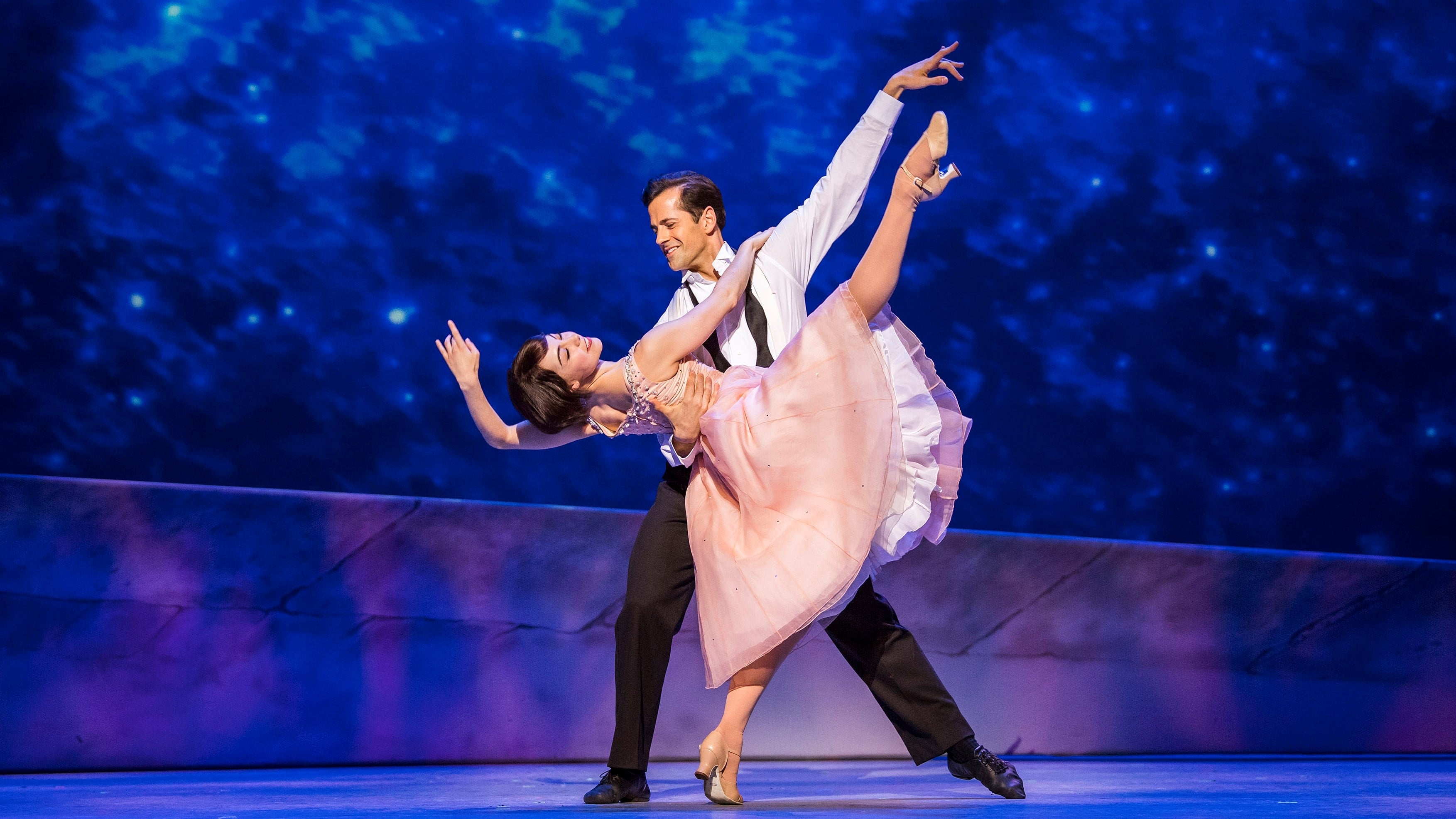
An American in Paris: The Musical
Paris, after the end of the Second World War: GI Jerry Mulligan stays in the City of Lights after falling in love with a mademoiselle at first sight. Being a stranger, Jerry gets to know pianist Adam Hochberg, who - unbeknownst to Jerry - adores the same woman. The two of them have to work together for a ballet with said woman, who is promised to Henri Baurel. Henri also gets acquainted with Jerry and Adam.
Insights
Plot Summary
Set in the post-war golden era of Paris in 1945, the musical follows Jerry Mulligan, an American GI eager to make his mark as a painter. He falls for Lise Dassin, a young Parisian shop girl with a secret past and dreams of becoming a dancer. Their blossoming romance is complicated by a wealthy American patron and Lise's own complicated loyalties, leading to a vibrant exploration of art, love, and finding one's way in a world rediscovering beauty.
Critical Reception
The stage musical 'An American in Paris' received widespread critical acclaim for its stunning choreography, breathtaking sets and costumes, and a fresh reinterpretation of the classic film's beloved score. It was lauded for its emotional depth and masterful blend of dance, music, and storytelling, earning numerous award nominations and wins.
What Reviewers Say
Praised for its visually spectacular and innovative choreography.
Celebrated for its enchanting score and heartfelt performances.
Admired for its romantic atmosphere and poignant exploration of post-war Paris.
Google audience: Audiences adored the dazzling dance numbers and the romantic, nostalgic portrayal of Paris. Many highlighted the stunning visual elements and the emotional impact of the performances, calling it a 'feast for the eyes and soul.'
Awards & Accolades
Won 4 Tony Awards (including Best Choreography and Best Scenic Design) and 4 Drama Desk Awards (including Outstanding Musical). Nominated for Best Musical at the Tony Awards.
Fun Fact
The choreography for the musical, particularly the iconic 17-minute ballet sequence that closes Act II, was inspired by and pays homage to the original 1951 film's dance sequences choreographed by Gene Kelly.
AI-generated overview · Verify ratings on official sources