Movie spotlight
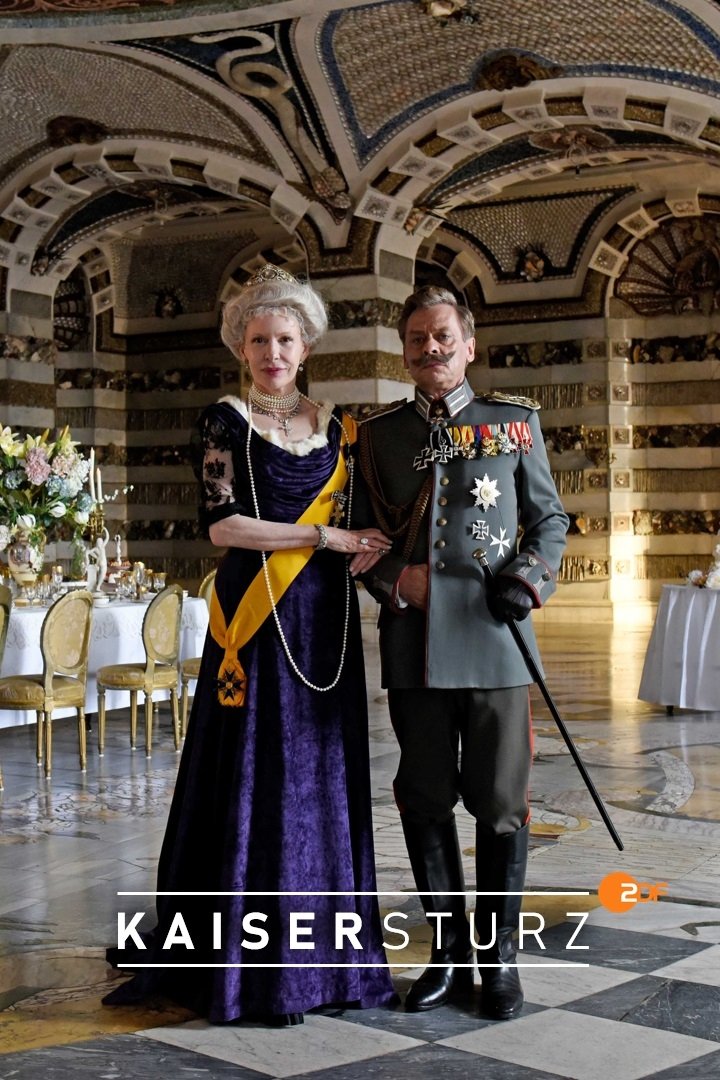
Kaisersturz
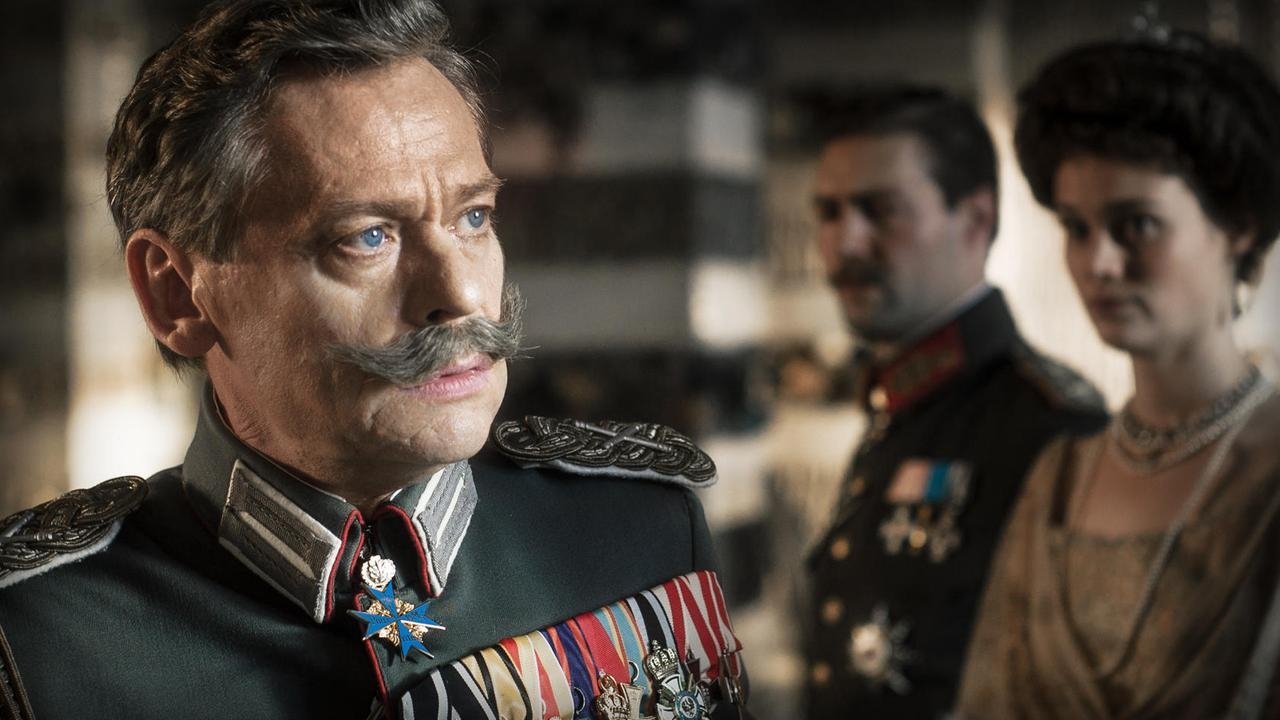
While World War One is coming to an end, the Social Democrat Friedrich Ebert is trying to maintain political stability in Berlin. In the haughty Prince Max of Baden he finds an ally who offers him government participation under his chancellorship. In the meantime, discontent with the monarchy is steadily increasing in the last days of the war, but Emperor Wilhelm II remains steadfast in his throne.
Insights
Plot Summary
The film chronicles the turbulent final days of Kaiser Wilhelm II's reign amidst the chaos of World War I. As Germany faces defeat and revolution looms, the Kaiser grapples with his fading power and the immense pressure from his military advisors and the public. He is forced to confront the consequences of his decisions and the uncertain future of the German monarchy.
Critical Reception
Kaisersturz received a mixed to positive reception from critics, with many praising its ambitious scope and the performances of its lead actors, particularly Lars Eidinger's portrayal of the Kaiser. However, some found the film's pacing uneven and its historical interpretation debatable, leading to a varied audience response.
What Reviewers Say
Praised for Lars Eidinger's compelling performance as the conflicted Kaiser.
The film offers a visually striking and dramatic depiction of historical events.
Some critics noted the narrative could be dense and less accessible for those unfamiliar with the period.
Google audience: Audience reception is largely unavailable in publicly accessible formats, making it difficult to summarize specific likes or dislikes.
Fun Fact
The film aims to present a psychological portrait of Wilhelm II, focusing on his internal struggles during the collapse of his empire rather than a purely factual historical account.
AI-generated overview · Verify ratings on official sources