Director: Peter Frazer-Jones•Genres: Comedy
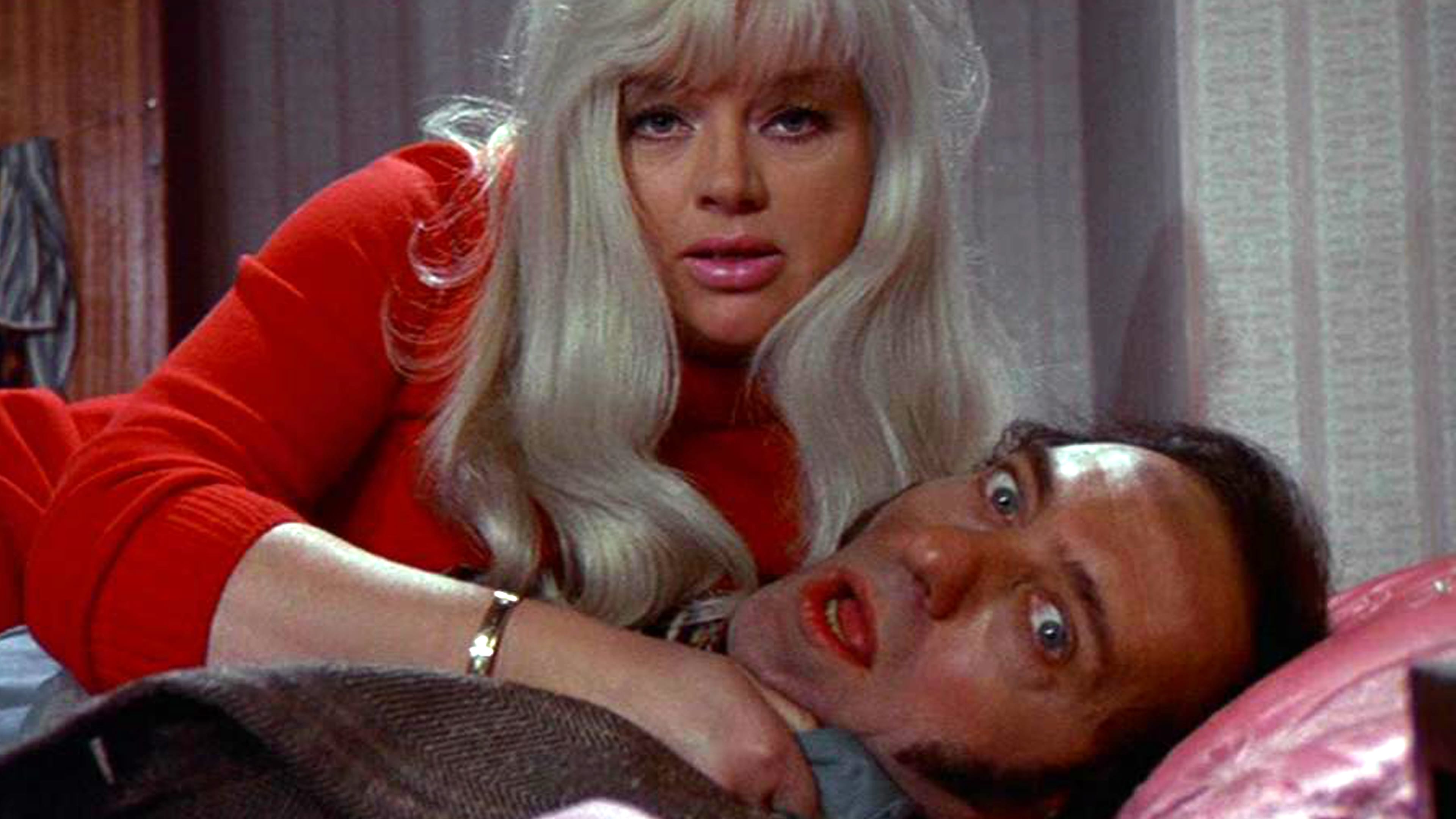
Harold Steptoe, desperate for a life beyond the junk shop and his overbearing father Albert, concocts a scheme to make his father believe he has died. The plan involves a trip to a "funeral parlour" and a staged drowning, all intended to shock Albert into relinquishing control. However, Albert's own surprisingly shrewd and manipulative nature, coupled with a series of chaotic events including a funeral procession and a mistaken identity, lead to an even more disastrous and uproarious outcome.
The film adaptation of the beloved British sitcom 'Steptoe & Son' was met with a mixed but generally warm reception, leaning into the established comedic dynamic of the father-son duo. While some critics noted it didn't quite capture the full pathos of the original series, many appreciated its faithful translation of the characters' bickering and Harold's perpetual frustration. It was seen as a solid outing for fans of the show, offering familiar humor and character interactions.
Captures the classic comedic tension between father and son.
Relies heavily on the established chemistry and character dynamics of the TV series.
Offers familiar laughs for fans, though perhaps lacks the depth of the original show.
Google audience: Audience reception is difficult to quantify with specific metrics, but the film is generally viewed fondly by fans of the original 'Steptoe & Son' television series. It's appreciated for continuing the beloved characters' adventures and comedic routines.
The film was part of a trend of British television sitcoms being adapted into feature films during the 1960s and 1970s, aiming to capitalize on the shows' popularity with a wider audience.
AI-generated overview · Verify ratings on official sources