Movie spotlight
The Red and the White
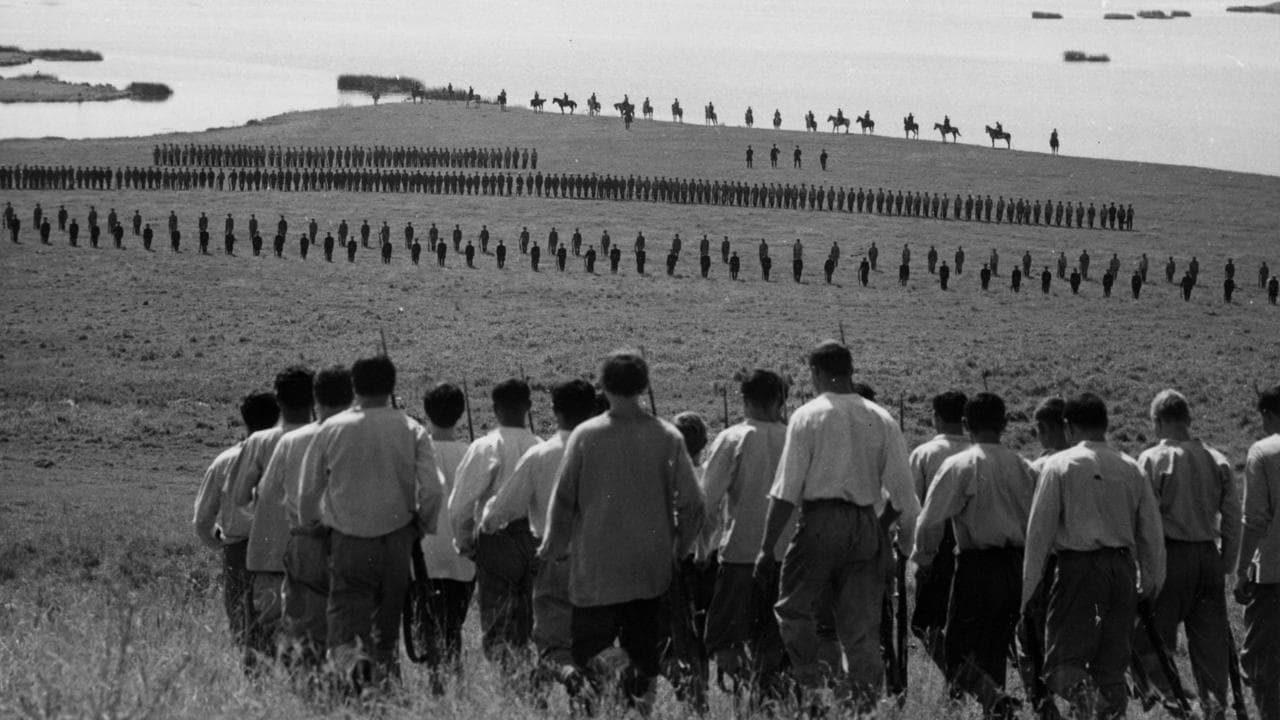
In 1919, Hungarian Communists aid the Bolsheviks' defeat of Czarists, the Whites. Near the Volga, a monastery and a field hospital are held by one side and then the other.
Insights
Plot Summary
Set during the Russian Civil War, this film follows a group of Hungarian Red Army soldiers tasked with guarding captured White Army prisoners. As they navigate the brutal realities of conflict and ideological struggle, the soldiers find themselves increasingly disillusioned and questioning their loyalties and the true meaning of their fight. The film's stark portrayal of violence and the dehumanizing nature of war is central to its narrative.
Critical Reception
Miklós Jancsó's 'The Red and the White' is widely regarded as a masterwork of political cinema. Critics have lauded its unique visual style, its unflinching depiction of the horrors of war, and its complex exploration of ideology and morality. While challenging and often demanding for viewers, its artistic merit and historical significance have earned it a lasting place in film history.
What Reviewers Say
Praised for its groundbreaking visual style and long-take cinematography.
Acclaimed for its powerful anti-war message and exploration of ideological conflict.
Recognized for its unflinching and often brutal depiction of historical events.
Google audience: Information on Google user reviews is not readily available for this film.
Awards & Accolades
Nominated for the Palme d'Or at the 1968 Cannes Film Festival. Generally critically acclaimed internationally.
Fun Fact
The film's minimalist, almost balletic choreography of violence and its extensive use of long takes were highly innovative for their time and influenced many subsequent filmmakers.
AI-generated overview · Verify ratings on official sources