Movie spotlight
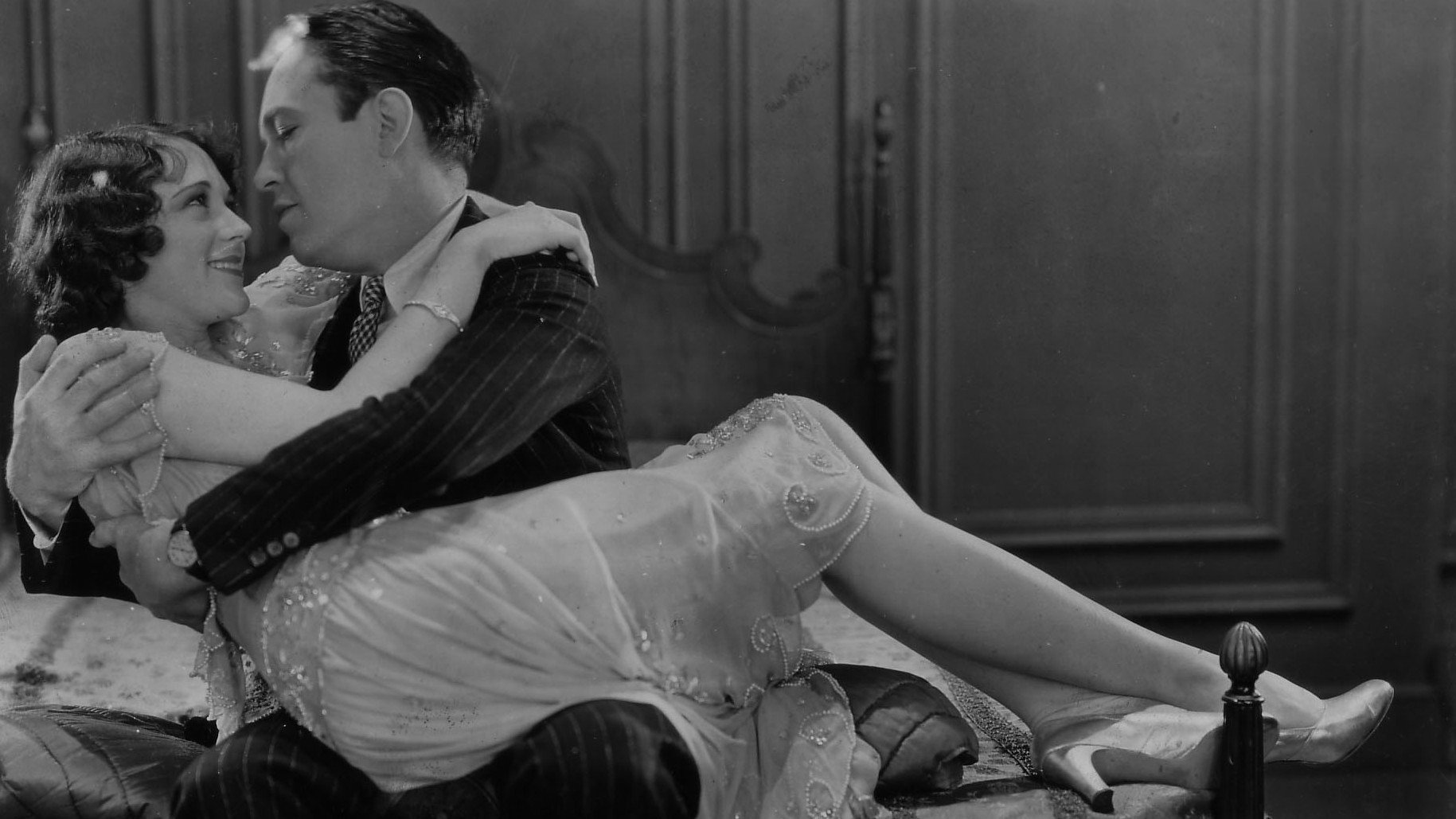
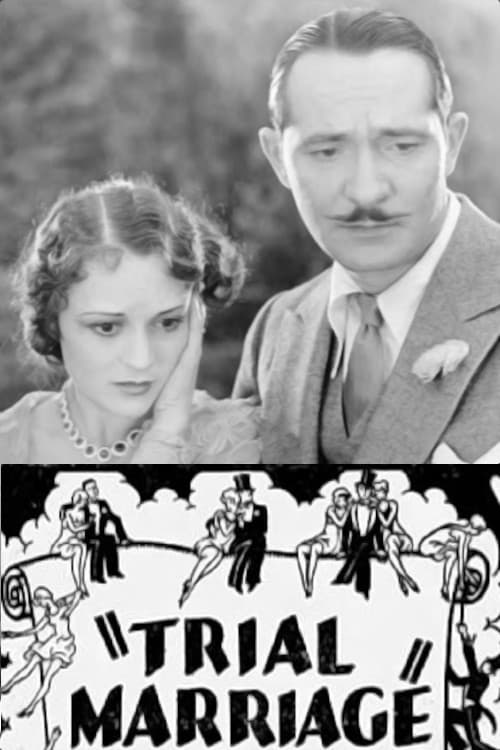
Trial Marriage
Constance Bannister enters into a trial marriage contract with Dr. Thorvald Ware and finds happiness with him. She defies his wishes by dancing at a charity ball in a revealing costume, however, and he dissolves the contract, not knowing that she is with child. A year passes. Constance marries Oliver Mowbray, and Thorvald marries Constance's sister, Grace. Both couples are quite unhappy and later obtain divorces. Oliver and Grace go to Europe, and Constance and Thorvald are married in a civil ceremony, united by their love both for each other and for their child.
Insights
Plot Summary
A young woman agrees to a "trial marriage" with a wealthy rancher, who has just inherited a fortune. The agreement is that if they do not fall in love within a year, they will divorce without alimony. Complications arise as the wife discovers her husband's difficult and possessive mother lives with them and has a strong dislike for her.
Critical Reception
Upon its release, 'Trial Marriage' received mixed reviews, with some critics praising its dramatic elements and performances while others found its plot somewhat predictable. It was seen as a typical melodrama of the era, catering to audience tastes for romantic entanglements and family conflict.
What Reviewers Say
Praised for its dramatic performances, particularly from Dorothy Mackaill.
Criticized by some for its conventional plot and predictable twists.
Viewed as a standard, albeit competently made, romantic drama of its time.
Google audience: Audience reception data for 'Trial Marriage' is not readily available. However, as a 1929 film, it reflects the dramatic and romantic sensibilities popular during the early sound era.
Fun Fact
Although released in 1929, 'Trial Marriage' was one of the later silent films to be produced, as the transition to "talkies" was well underway.
AI-generated overview · Verify ratings on official sources