Movie spotlight
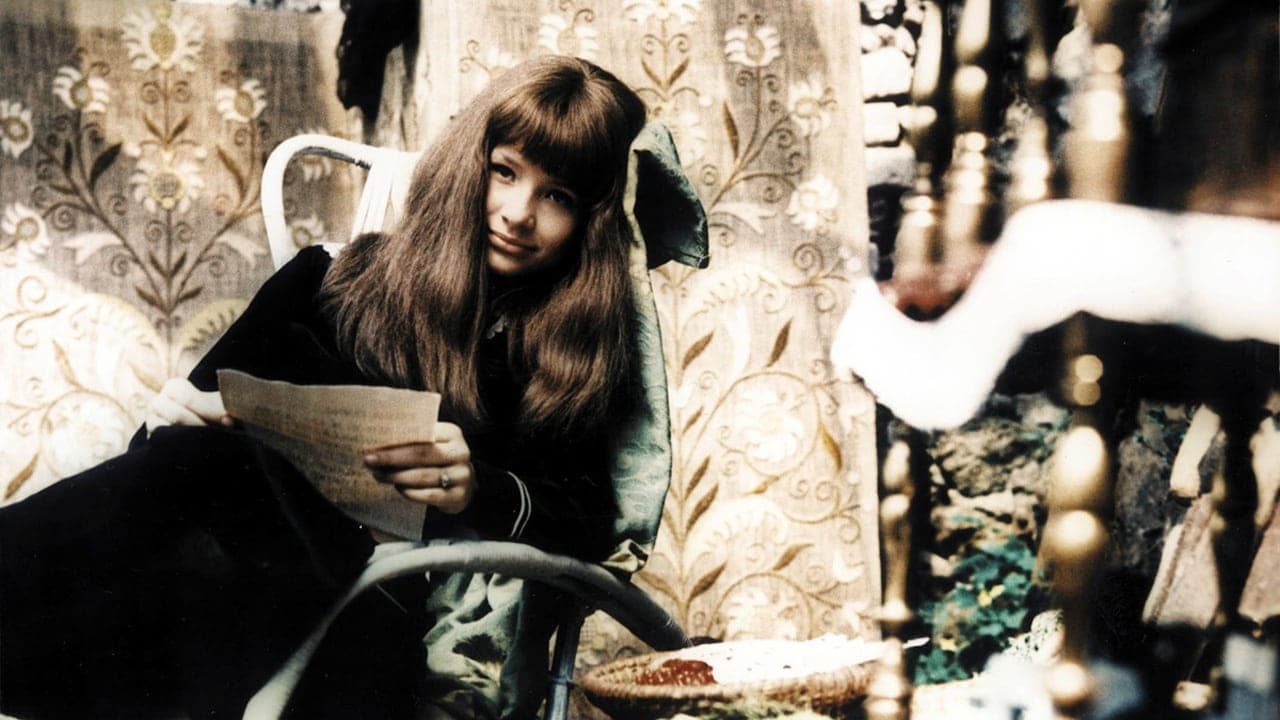
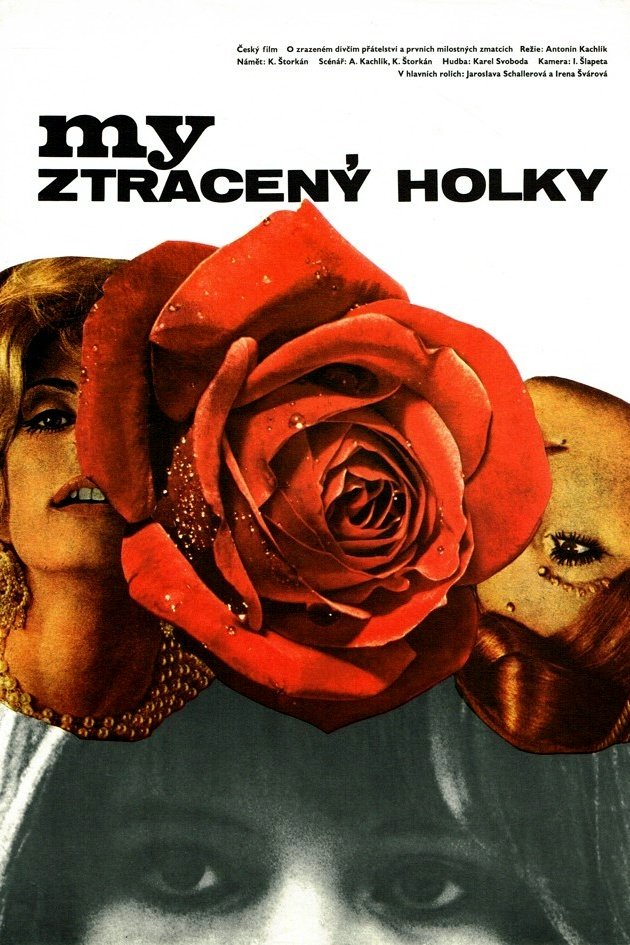
We, the Lost Girls
Zofie and Dominika, two girls of very different temperaments, become friends during hop-picking volunteer work in the summer. Zofie (Jaroslava Schallerová) is serious to the point of reticence and she is delighted with her friendship with Dominika. For the self-assured and superficial Dominika (Irena Svárová) the whole thing is just a momentary whim. When she leaves the work camp before everybody else, she doesn't even say goodbye to Zofie. The two girls meet again after the holidays as first-year students at medical school, and become close again during the nursing techniques class.
Insights
Plot Summary
This documentary explores the lives and experiences of young people in the late 1960s and early 1970s, touching on themes of rebellion, societal norms, and the search for identity. It offers a candid look at the counterculture movement and the challenges faced by a generation seeking new ways of living. The film captures raw interviews and observational footage, presenting a multifaceted portrait of youth in transition.
Critical Reception
As a documentary from the early 1970s focusing on youth culture, 'We, the Lost Girls' was likely met with a range of reactions. It may have been seen as a timely and provocative exploration of social change by some, while others might have found its subject matter controversial or its approach too raw. Critical reception would have varied significantly depending on the publication and its stance on the counterculture movement.
What Reviewers Say
Praised for its unvarnished portrayal of youth during a turbulent era.
Noted for its candid interviews and observational style.
Some found its subject matter to be a stark reflection of societal shifts.
Google audience: Information on specific Google user reviews for this film is not readily available due to its age and documentary nature. However, films of this era focusing on counterculture often elicited strong opinions, with audiences likely divided between those who felt it was a groundbreaking look at youth and those who viewed it as a sensationalized or unsettling depiction of societal breakdown.
Fun Fact
The film's director, Richard Brook, was known for his vérité-style documentaries that often focused on marginalized or unconventional communities, aiming to capture authentic human experiences.
AI-generated overview · Verify ratings on official sources