
Movie spotlight
Womanhouse
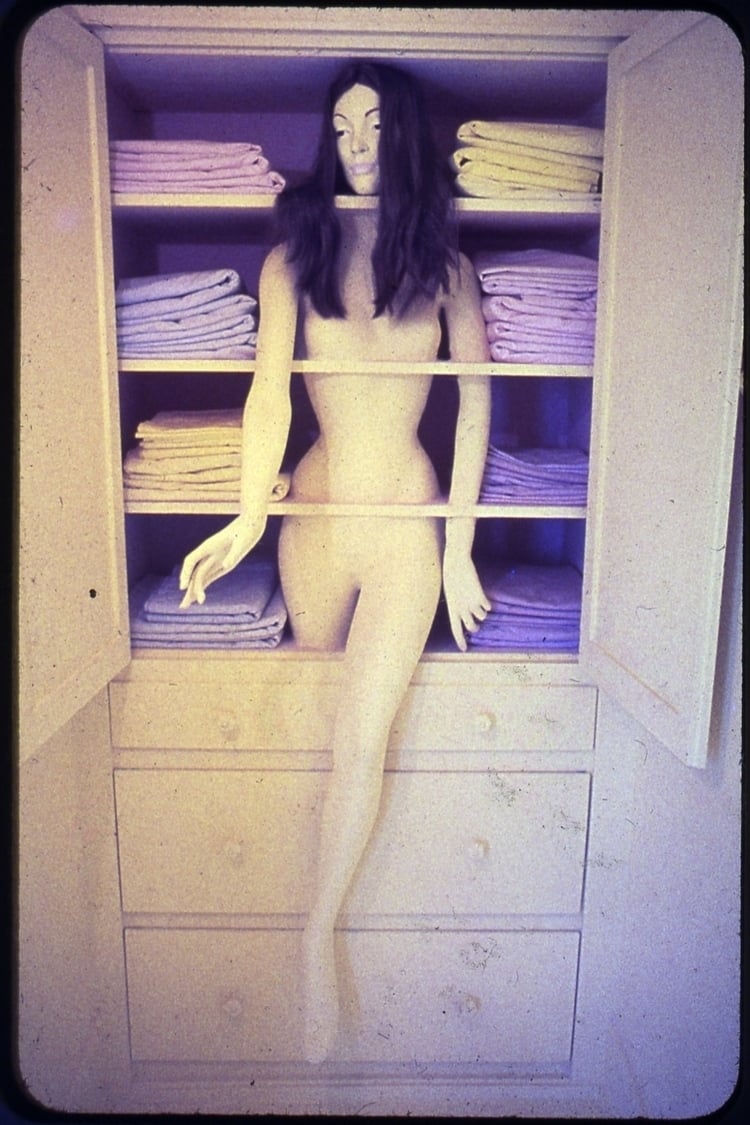
Held in 1972 at 533 N. Mariposa Street, Los Angeles was one of the most important cultural events in the United States: "Womanhouse," a feminist art installation and performance space organized by Judy Chicago and Miriam Schapiro.
Insights
Plot Summary
Womanhouse was a 1972 feminist art installation and performance piece created by the women of the CalArts Feminist Art Program, led by Judy Chicago and Miriam Schapiro. The film documents this groundbreaking project, which transformed a dilapidated Hollywood mansion into a symbolic representation of women's domestic roles and experiences. Through various installations and performances within the house, the artists explored themes of gender, identity, and the subversion of traditional female archetypes in a patriarchal society.
Critical Reception
As a seminal work in feminist art and documentary filmmaking, Womanhouse is highly regarded for its innovative approach to social and artistic commentary. While specific critical reviews from its initial release are scarce, its legacy is cemented by its influence on subsequent feminist art movements and its inclusion in numerous art historical surveys and film archives. It is recognized for its raw, honest depiction of women's creative expression and their reclamation of domestic space.
What Reviewers Say
A powerful and historically significant exploration of feminist art and domesticity.
The film captures a pivotal moment in art history and feminist activism.
Praised for its bold reinterpretation of traditionally female spaces and roles.
Google audience: Information on Google user reviews for this specific film is not readily available, but its historical significance in feminist art is widely acknowledged.
Awards & Accolades
While not a commercial film that typically garners mainstream awards, Womanhouse is recognized as a landmark in feminist art and has been screened and studied extensively in art and film institutions worldwide.
Fun Fact
The 'Noses' installation in Womanhouse, created by Sherry Brody, featured a row of plaster casts of noses, symbolizing women's desire to escape the suffocating domestic environment by 'sniffing out' a way to leave.
AI-generated overview · Verify ratings on official sources