
Movie spotlight
Syndabocken
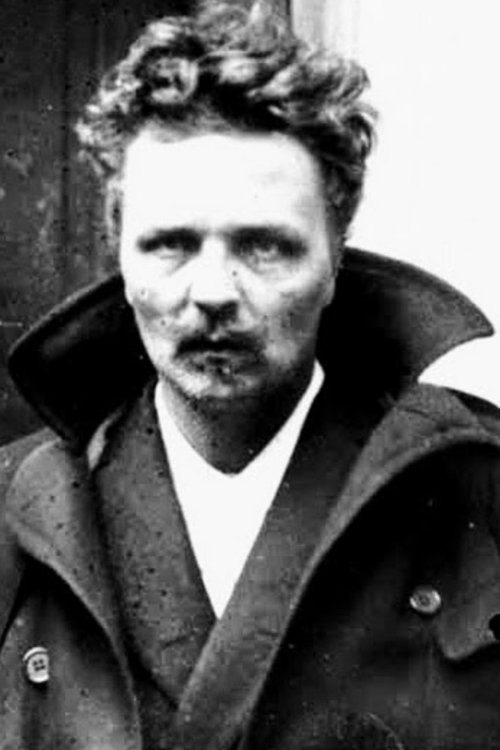
"The Black Sheep" - Edvard Libotz, a young lawyer arrives in town, after failing to work as a High Court notary. He now plans to open his own agency. But he is different, looks foreign, is dark haired like a gypsy, and becomes very unpopular with the locals and the City prosecutor. By August Strindberg, published in 1907.
Insights
Plot Summary
In the bleak landscape of Swedish industrial society, a young man named Bengt finds himself increasingly alienated and drawn into petty crime. He struggles with societal expectations and personal demons, leading him down a path of desperation. The film explores the impact of poverty and lack of opportunity on individuals, showcasing the harsh realities faced by many during that era.
Critical Reception
Syndabocken was a film that aimed to highlight social issues in Sweden, focusing on the struggles of the working class and the consequences of societal neglect. While it was noted for its gritty realism and attempt to tackle difficult themes, it received a mixed reception from critics, with some praising its authenticity and others finding it overly bleak and lacking in narrative drive.
What Reviewers Say
Praised for its unflinching portrayal of social hardship.
Criticized for its somber tone and slow pacing.
Appreciated for its realistic depiction of Swedish working-class life.
Google audience: Audience reception for Syndabocken is not widely documented on Google platforms, making it difficult to summarize specific likes or dislikes.
Fun Fact
The film was part of a wave of social realist cinema in Sweden during the late 1970s and early 1980s, aiming to shed light on overlooked societal issues.
AI-generated overview · Verify ratings on official sources