
Movie spotlight
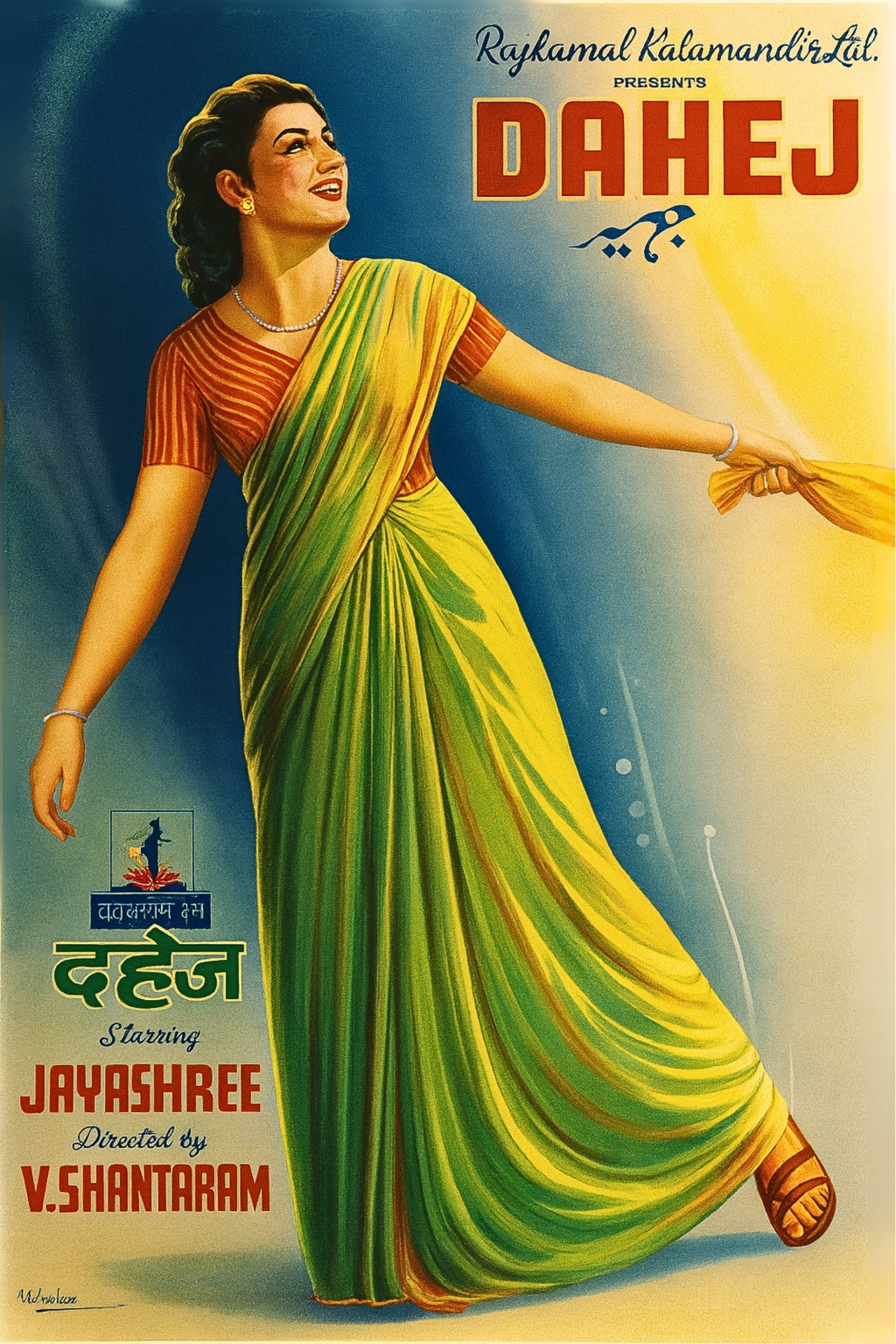
Dahej
Thakur is a proud and dignified man who loves his only daughter, Chanda, dearly. His wife and he receive a proposal for Chanda from the house of a lawyer and his wife. While Thakur accepts the proposal, he makes it clear to the lawyer that he is unable to afford any dowry. After the wedding, Chanda's mother-in-law starts harassing Chanda about her lack of dowry.
Insights
Plot Summary
The film explores the societal issue of dowry through a compelling narrative. It follows the struggles and conflicts that arise within families due to this practice, highlighting its detrimental effects on individuals and relationships. The story delves into the emotional turmoil and ethical dilemmas faced by characters entangled in the dowry system.
Critical Reception
As an older film, specific critical reviews from its release are scarce. However, films of this era often served as social commentaries, and 'Dahej' is recognized for addressing a significant societal issue of its time. It is considered a film that contributed to public discourse on the dowry system in India.
What Reviewers Say
Addresses the prevalent social evil of dowry.
Portrays the emotional and financial burdens associated with the dowry system.
A film that aimed to provoke thought on societal customs.
Google audience: Information regarding specific audience reviews from Google is not available for this film due to its age. However, films tackling such social themes typically resonated with audiences who were seeking to understand or critique prevailing customs.
Fun Fact
Films like 'Dahej' from the early 1950s often played a crucial role in raising awareness about sensitive social issues in India, using melodrama and relatable characters to connect with a broad audience.
AI-generated overview · Verify ratings on official sources