
Movie spotlight
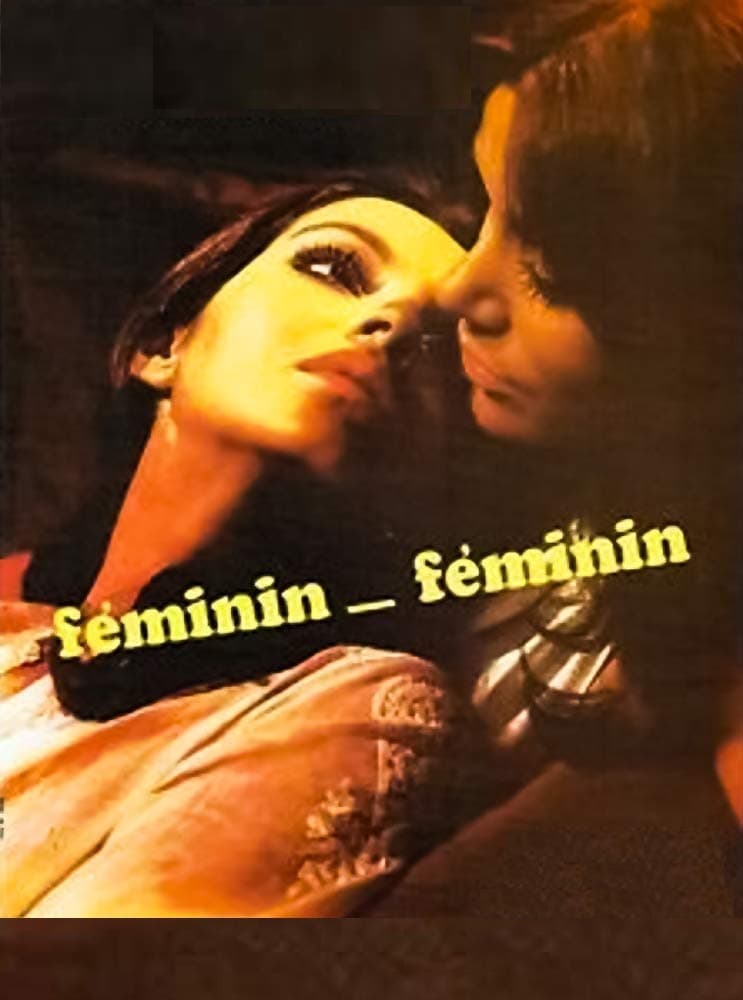
Féminin-féminin
Marie-Hélène lives in a manor with her husband George, but is not happy. She feels stifled and trapped by the constant presence of Cécile, her intrusive mother-in-law. One day, Jacques and a beautiful woman, Françoise, comes to visit. Marie-Hélène feels attracted to Françoise. To such an extent that the two women fall in love and run away to the city.
Insights
Plot Summary
The film explores the complex relationships and emotional journeys of several women in Paris. It delves into their love lives, their desires, and their struggles with societal expectations and personal fulfillment. Through interconnected narratives, the movie offers a nuanced look at female experiences in the early 1970s.
Critical Reception
Féminin-féminin received mixed reviews upon its release. While some critics appreciated its frank portrayal of female sexuality and its artistic aspirations, others found its narrative disjointed and its themes underdeveloped. It's often seen as a product of its time, reflecting a particular cinematic approach to women's issues.
What Reviewers Say
Praised for its attempt to explore female desire with a certain artistic flair.
Criticized for its uneven pacing and lack of narrative cohesion.
Seen as a bold, if flawed, cinematic exploration of women's relationships in the 1970s.
Google audience: Audience reception for Féminin-féminin is difficult to gauge through readily available aggregated reviews. However, discussions suggest viewers found the film's artistic direction interesting but were divided on its overall impact and storytelling.
Fun Fact
The film's director, Just Jaeckin, is also known for his controversial erotic film 'Emmanuelle' (1974), which shares a similar era and a focus on sensuality, though 'Féminin-féminin' is generally considered more dramatic in tone.
AI-generated overview · Verify ratings on official sources