Movie spotlight
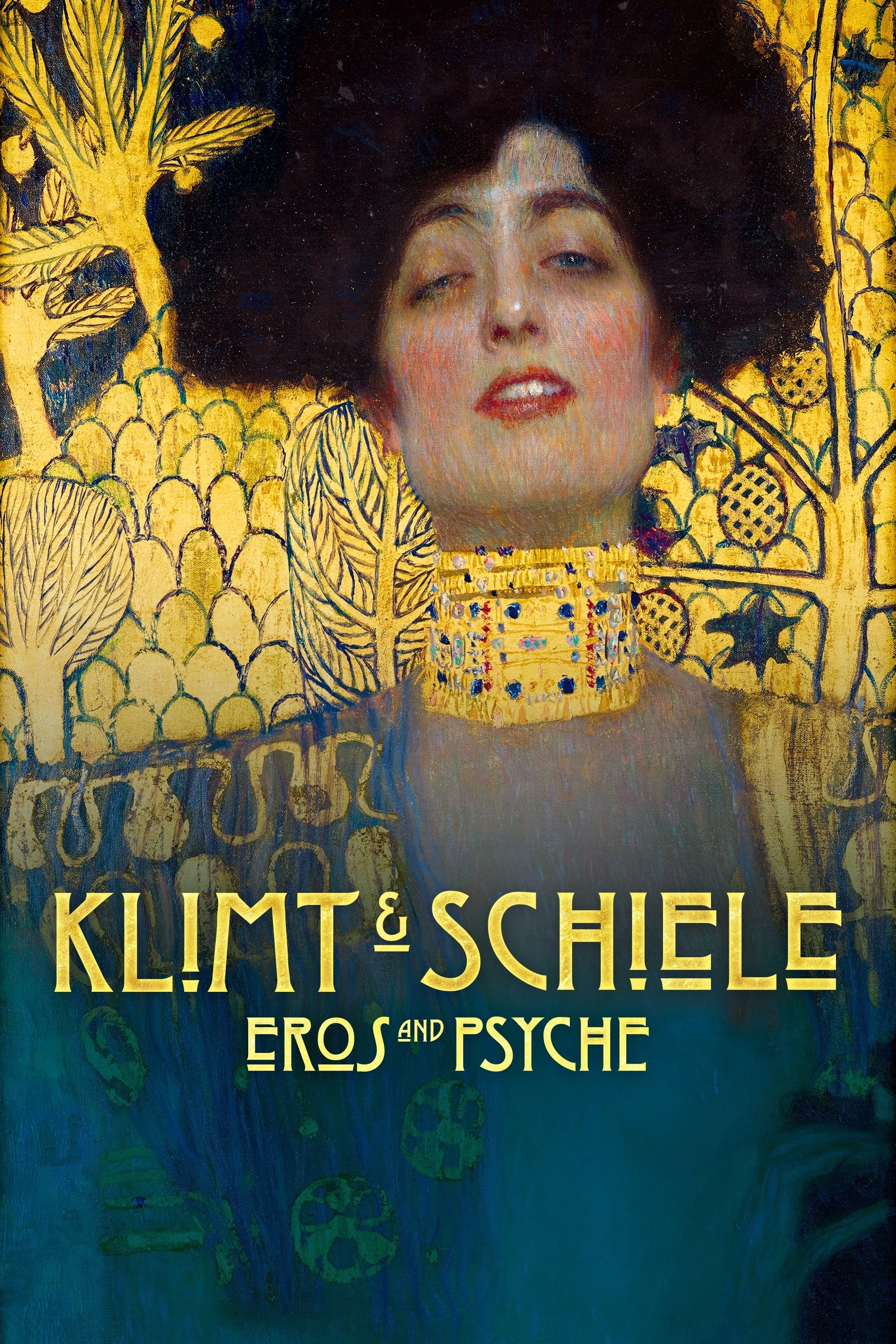
Klimt & Schiele: Eros and Psyche
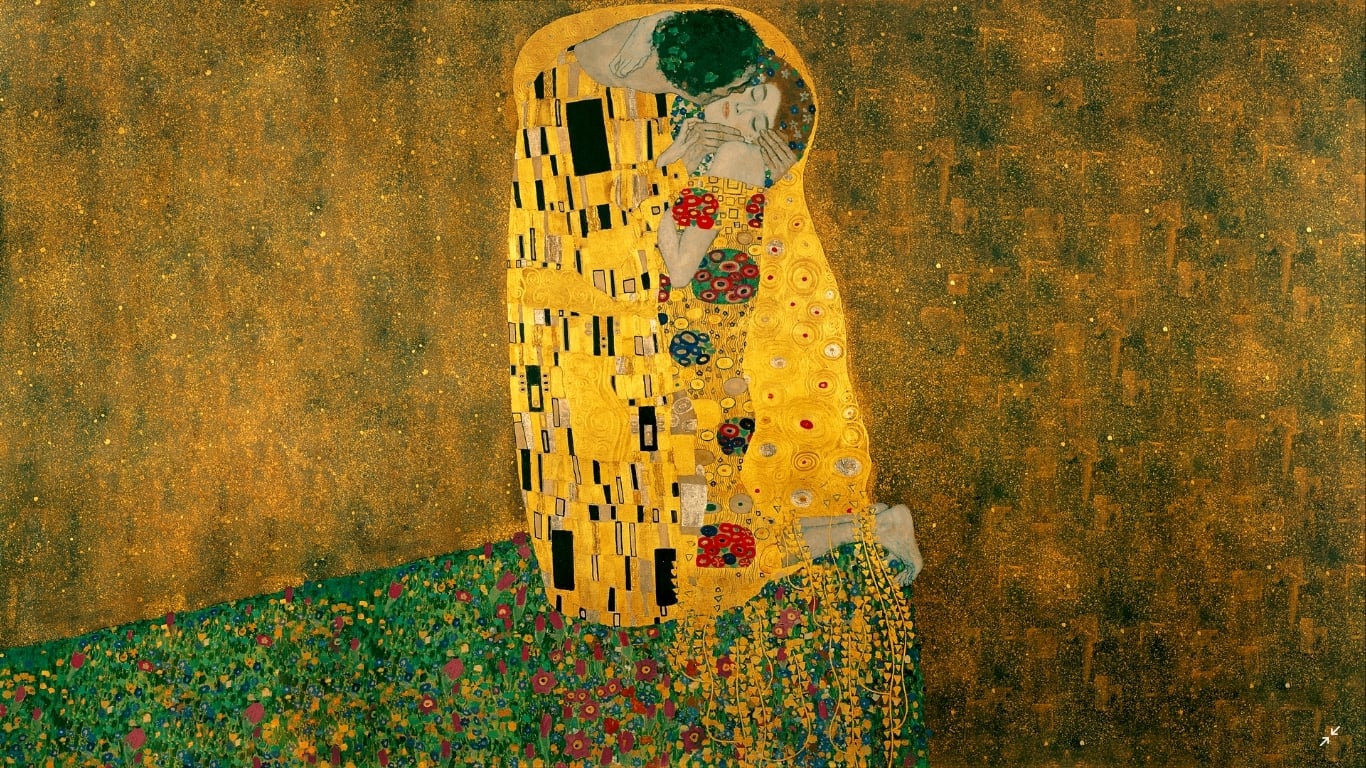
1918. As the roar of the First World War cannons is dying out, in Vienna, the heart of Central Europe, a golden age comes to an end. The Austro-Hungarian Empire is beginning to disintegrate. On the night of October 31st, in the bed of his home, Egon Schiele dies, one of the 20 million deaths caused by the Spanish flu. He dies looking at the invisible evil in the face, in the only he can do: painting it. He is 28 years old. Only a few months earlier, the main hall of the Secession building had welcomed his works: 19 oil paintings and 29 drawings. His first successful exhibition, a celebration of a new painting idea that portrays the restlessness and desires of mankind.A few months earlier, his teacher and friend Gustav Klimt had died. From the turn of the century, he had fundamentally changed the feeling of art and founded a new group: the Secession.
Insights
Plot Summary
This documentary delves into the lives and artistic legacies of two pivotal figures of Viennese art nouveau: Gustav Klimt and Egon Schiele. It explores their intertwined careers, their shared fascination with the human form, and their profound impact on modern art. The film uses archival footage and expert commentary to illuminate their revolutionary approaches to depicting sensuality, emotion, and the complexities of the human psyche.
Critical Reception
The documentary received a generally positive reception, with critics often highlighting its insightful exploration of two master artists and their significant contributions to art history. Reviewers appreciated the film's visual richness and its ability to connect the personal lives of Klimt and Schiele with their iconic works, though some found the narrative to be somewhat academic.
What Reviewers Say
Praised for its deep dive into the lives and works of Klimt and Schiele.
Appreciated for its visual presentation and art historical context.
Some viewers found it to be a bit dry or overly focused on academic analysis.
Google audience: Audience reviews for this documentary are limited, but generally indicate an appreciation for the subject matter and the opportunity to learn more about these influential artists. Viewers who engaged with the film often found it informative and visually engaging.
Fun Fact
The film uses archival materials and dramatic reenactments to bring the stories of Klimt and Schiele to life, allowing viewers to experience their worlds and artistic struggles more intimately.
AI-generated overview · Verify ratings on official sources